
Logo
Get Estimate

Flood Water Extraction in New York for Your Property

Remove standing water and protect the structure


Flood Water Extraction in New York gets standing water out of homes and businesses before saturated floors, walls, and contents take on more damage. Our crew handles stormwater, burst pipes, basement flooding, and other urgent losses across the state. We assess the water, select truck-mounted or portable equipment for the access available, and begin extraction promptly so you can move from an active flood toward cleanup and drying.

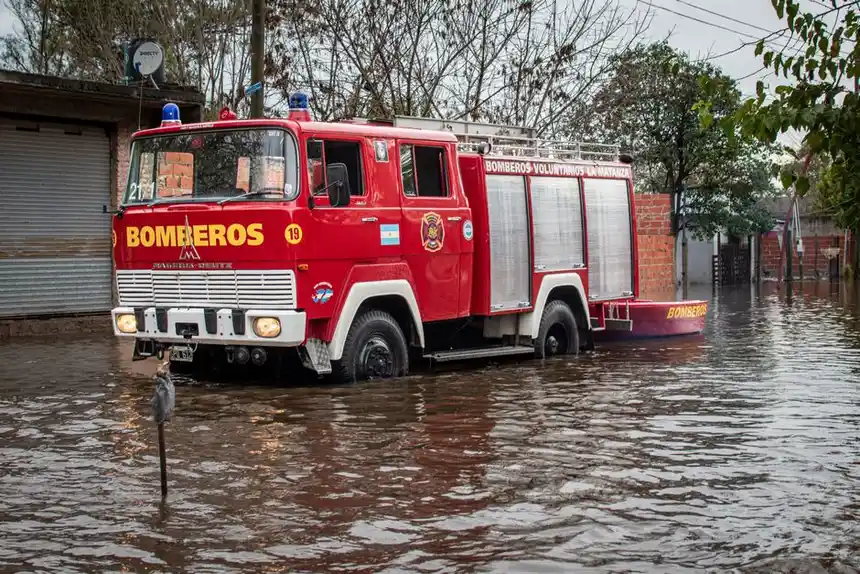
A fire truck drives through a flooded street in Buenos Aires, Argentina, during a storm.
Licensed Licensed & Bonded
Fully Insured Insured & Bonded
24/7 Emergency Same-Day Response
Warranty Backed Workmanship Guaranteed

What Flood Extraction Covers

Flood Water Extraction includes an initial water-source and safety check, assessment of affected areas, removal of accessible standing water, and moisture checks to guide next steps. Where materials remain wet, we can set drying equipment and monitor progress. Cleaning for contaminated water, demolition, plumbing repair, and rebuilding require work suited to those conditions; we explain the sequence and pricing before proceeding so you know what the extraction visit addresses.

Water Source Assessment

We ask how the water entered, check visible conditions, and identify immediate hazards before starting. Knowing whether the source is a pipe, stormwater, or sewage backup guides equipment choice, protective measures, and the cleaning approach. If water is still coming in, stopping the source takes priority.
Standing Water Pump-Out

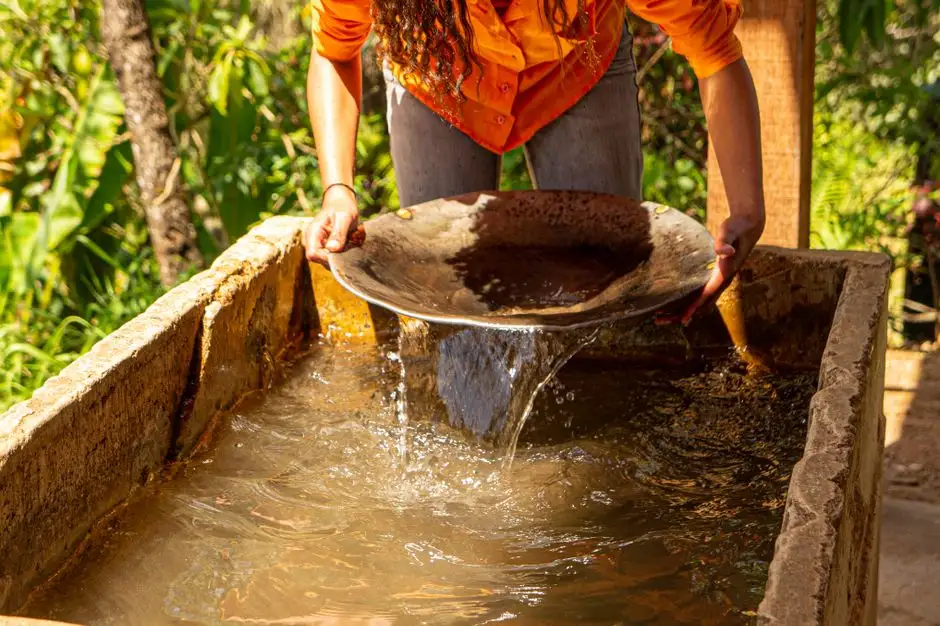
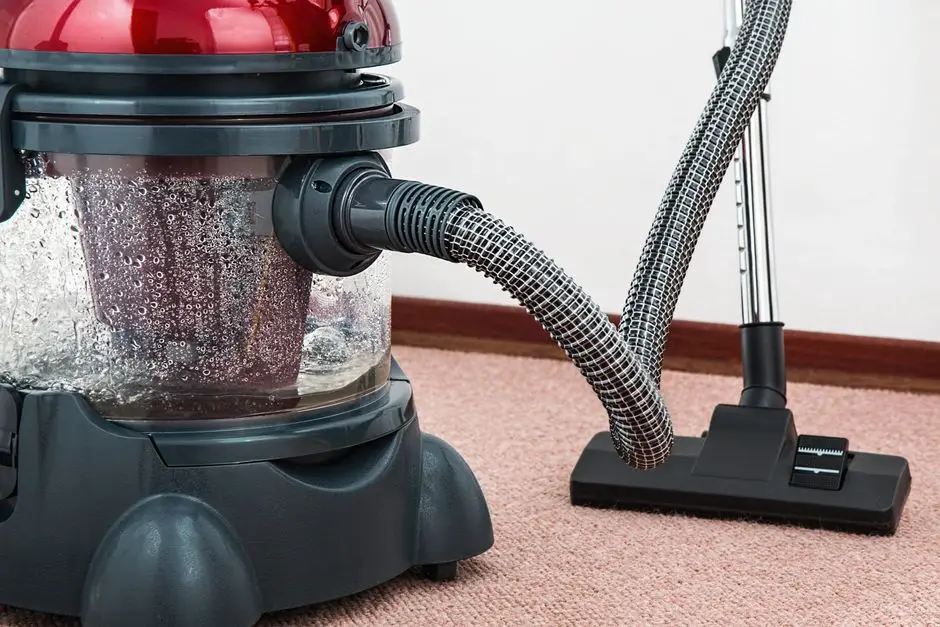
We remove pooled water using a submersible pump, portable extraction pump, or truck-mounted water extraction unit as the room allows. Equipment is selected for depth, volume, and access rather than used as a one-size-fits-all setup. We clear accessible water before assessing remaining dampness.

Moisture Checks

A moisture meter helps us check wet flooring, trim, and wall areas after visible water is gone. We use the findings to identify materials that need more drying or closer inspection. You receive a clearer picture of what remains affected and which areas are ready for repair planning.

Drying Equipment Setup

When readings show that structural drying is needed, we position air movers and a commercial dehumidifier to move moisture out of affected materials. Equipment placement depends on room layout and material conditions. We explain what the equipment is doing and when readings should be checked again.

Contamination Controls

For sewage or dirty floodwater, we limit movement between affected and clean areas and use protective equipment appropriate to the job. We identify porous materials that require removal and clean suitable surfaces with the right process. The water category determines the level of control needed.

Flood Water Extraction in New York: The Work


Flood Water Extraction in New York is an emergency property restoration service that removes standing water after flooding, leaks, or sewage intrusion so cleanup and structural drying can begin. We first identify the water source and affected areas, then use pumps or extraction equipment suited to the depth, access, and material. A moisture meter helps us check floors and walls beyond the visible puddles. Extraction is not simply pushing water toward a drain; it is controlled removal that limits spread and prepares the building for the next recovery steps.

Cold-season frozen pipe failures, spring thaw, and heavy rain can all send water into basements, crawl spaces, and ground-floor rooms. A sewage backup or stormwater intrusion needs careful handling because the water may carry contaminants, while a clean-water pipe leak presents different cleanup needs. Our flood water extraction services New York customers call for start with the cause and affected materials. If you are arranging Flood Water Extraction after a home flood in New York, quick pump-out helps reduce the time that flooring, drywall, and stored belongings remain wet.

What to Expect During Service

Flood Water Extraction follows a deliberate sequence: control the source, assess the water, remove it, then verify what remains wet. We explain each stage in plain language, protect unaffected areas where practical, and keep you informed as the work moves from emergency response to drying.

01

Schedule

Call or book online — a real human picks up and confirms a 2-hour arrival window.

02

Diagnose

Licensed tech inspects on-site, then walks you through the cause and your options.

03

Fix

The job is completed to code and done right the first time — no shortcuts, no surprises.

04

Guarantee

Every job backed by a written workmanship warranty — and we stand behind it.

Equipment and Extraction Methods

Tools & Equipment

Submersible pump

We use a submersible pump to move deeper standing water from basements and low areas before detailed surface extraction. Its suitability depends on debris, water depth, and a safe discharge route.

Portable extraction pump

Portable equipment fits locations with limited vehicle or stair access. We use it to remove pooled water where a larger setup cannot be positioned conveniently, then check remaining surface moisture.

Truck-mounted water extraction unit

For larger accessible losses, a truck-mounted water extraction unit supports high-volume removal. Our crew evaluates hose routing, entry access, and the affected layout before choosing this option.

Moisture meter

A moisture meter checks materials after the visible water is gone. We compare readings across affected and less-affected areas to help locate damp flooring, trim, or wall sections.

Air mover and commercial dehumidifier

After extraction, air movers circulate air across wet materials while a commercial dehumidifier removes moisture from the room. We place equipment according to measured conditions and recheck drying progress.

HEPA air scrubber

Where cleanup creates airborne particles or conditions require added air filtration, a HEPA air scrubber with HEPA filter media can support controlled work. Its use depends on the affected materials and task.

Methods & Standards

ANSI/IICRC S500-informed assessment

We assess water source, affected materials, and extent before selecting extraction and drying steps, following the ANSI/IICRC S500 Standard for Professional Water Damage Restoration as a reference. This keeps decisions tied to water conditions and documented observations rather than a generic equipment package.

Water-category handling

Clean supply water, outdoor floodwater, and sewage carry different risks. We identify the likely category, control movement between affected and clean spaces, and select protective measures and cleaning accordingly. Porous materials exposed to contaminated water receive a separate evaluation.

Measured structural drying

After pump-out, we record moisture readings and position drying equipment to address wet building materials. Follow-up checks show whether conditions are improving and whether equipment needs adjustment. We do not call a surface dry just because it feels dry at the top.

Targeted containment

When a cleanup task could spread debris or contamination, we use polyethylene containment sheeting to separate the work area where appropriate. The barrier helps keep foot traffic and airborne material away from unaffected rooms while extraction and cleanup proceed.

When to Call for Extraction

01

A winter freeze splits a pipe and water is spreading across a finished basement floor.

What we do: After the supply is shut off, we assess the water depth and affected rooms, extract the pooled water, and check wall edges and flooring for moisture. We use portable equipment when stair access is tight, then set drying equipment where readings show it is needed.

→ You get the water removed and a clearer repair plan before wet flooring and drywall remain saturated for longer.

02

Heavy rain pushes water through a low basement opening or overwhelms a floor drain.

What we do: We identify whether water is still entering and assess whether it is runoff or drain backup. Our crew pumps out the basement, removes residual surface water, and checks affected materials. Contaminated water receives more controlled handling than rainwater from a clean entry point.

→ The basement becomes accessible for cleanup, and you know which areas require drying or additional sanitation.

03

A commercial ground-floor room has standing water after an overnight plumbing failure.

What we do: We assess the room layout, protect unaffected areas where practical, and choose truck-mounted or portable extraction equipment based on access. We work through pooled water first, then check wall and floor assemblies so the business can plan drying and repairs.

→ Water is cleared from work areas, and measured findings help you prioritize safe reopening and restoration.

04

A sewage backup leaves dark water and debris across a laundry or utility room.

What we do: We isolate the affected area, use appropriate protective gear, and remove contaminated water and debris. After pump-out, we identify porous materials that cannot be restored through surface cleaning and explain the next sanitation steps.

→ The immediate contaminated water is removed under controlled conditions, reducing the chance of tracking it into clean rooms.

How Flood Extraction Works Across New York

New York's flood conditions change with season and geography. In November and through winter, frozen pipe failures can occur in unheated basements and crawl spaces; spring thaw and heavy rain bring runoff and drain overload. Near the Great Lakes, wind-driven rain and lake-effect weather can complicate access, while dense suburban and urban buildings may have narrow stairs, shared utility rooms, or limited equipment staging. Our New York floodwater removal company asks about those constraints before selecting a pump and route. We handle professional removal of flood water from a New York basement by checking depth, source, drain access, and electrical hazards before equipment enters. Older buildings also need careful moisture checks around plaster, wood flooring, and concealed wall cavities. We follow applicable safety practices and use the ANSI/IICRC S500 standard as a restoration reference; local building and disposal requirements can vary by jurisdiction and water type. Across the state, the work stays consistent: assess, extract, document, and dry where needed, while adapting the setup to the property and weather.

Neighborhoods We Serve

  • Downtown Rochester

    Older mixed-use buildings can have compact basements and shared service areas. We check stairs and equipment access before choosing a portable pump or larger extraction setup.

  • LaSalle, Niagara Falls

    Cold-season pipe failures and stormwater can affect below-grade spaces. We assess whether water came from plumbing or outdoors before selecting protective and cleanup steps.

  • Commack residential areas

    Finished lower levels and utility rooms need careful checks at flooring edges and wall bases. We use readings to identify moisture that a quick visual inspection can miss.

  • Uniondale business areas

    Ground-floor offices and shared building rooms can require a staged pump-out that keeps unaffected access routes clear. We plan equipment placement around the working layout.

Local Conditions We Plan For

  • Winter freezes and thaw cycles stress exposed or poorly insulated plumbing

    A pipe may leak after temperatures rise, leaving water behind walls or below flooring. We check adjacent materials after pump-out and do not stop at the visible puddle.

  • Heavy rain and saturated ground increase basement water entry

    Runoff, drain overload, and seepage require different handling depending on the source. We assess for contamination and debris before deciding how to pump, clean, and dry the area.

  • Older building layouts restrict equipment access and airflow

    Narrow stairs, low ceilings, and divided rooms can limit hose routes and drying placement. We choose portable equipment where needed and check each affected section separately.

Basement Pipe Failure

Before

A failed pipe leaves about 2 inches of water across a 300-square-foot basement. Cardboard boxes are wet, water reaches the baseboards, and the floor drain is partly blocked. The room cannot be safely used for storage or inspected closely while the water remains.

After

We pump out the standing water, extract the remaining surface water, and check the floor and lower wall sections. Readings identify damp areas that need drying equipment. The visible water is cleared in a few hours, and the customer has a mapped list of affected materials for repair planning.

Maintenance: Keep the floor drain clear and avoid storing cardboard directly on basement floors. Insulate vulnerable pipes before freezing weather and know where the main water shutoff is located.

Before

After prolonged rain, roughly 1 inch of water covers a 450-square-foot finished lower level. Water entered near an exterior opening, soaking a rug and the bottom edge of drywall. The homeowner cannot tell whether the wall cavity also took on moisture.

After

We remove the pooled water, extract the rug area, and check the wall edges with a moisture meter. Drying equipment is positioned where readings show wet materials. The floor is clear the same day, with follow-up readings used to track the remaining moisture rather than relying on appearance.

Maintenance: Keep the entry path and nearby drain clear, and inspect the lower-level opening after heavy rain. Move stored items onto raised shelving so a shallow intrusion does not soak belongings.

Before

A drain backup spreads contaminated water and debris across a 120-square-foot utility room. The floor is slick, the washer base is wet, and ordinary cleanup would risk carrying contamination into the hallway and adjacent rooms.

After

We restrict access, remove the contaminated water and debris, and separate porous materials that require further attention. The immediate floor area is cleared and the customer receives a clear account of sanitation and drying needs. Work proceeds with protective measures appropriate to the water source.

Maintenance: Do not flush wipes or grease, and respond promptly to slow drains or repeated gurgling. Keep a clear route to the utility room shutoff and avoid entering the area during a backup.

Problems Solved After a New York Flood

Flooding leaves more than a wet floor: it can saturate insulation, conceal moisture behind walls, and damage contents below grade. Flood Water Extraction after a home flood in New York begins with removing the water and identifying the materials that need attention. We prioritize conditions that could worsen while you wait.

Problem

A basement floor remains covered after a storm or drain overflow

Standing water keeps stored belongings and porous finishes wet, blocks safe access, and makes it difficult to see where the water entered or spread.

Our Fix

We assess depth and source, then pump out the water with equipment suited to the basement access. After the floor is clear, we check nearby walls and contents for moisture. If the water came through a drain, we treat the area according to contamination risk instead of assuming it is clean.

Problem

A burst or frozen pipe has soaked floors and wall edges

Water can travel beneath flooring and into wall cavities, leaving hidden moisture after the visible puddle is gone and complicating later repairs.

Our Fix

Once the pipe is secured, we extract pooled water and check affected rooms with a moisture meter. We identify likely wet assemblies and set drying equipment where readings support it. You get a practical sequence for extraction, drying checks, and plumbing or finish repairs.

Problem

Crawl space flooding leaves damp materials beneath the home

Water trapped under the floor can keep insulation and framing wet, while limited clearance makes ordinary household equipment ineffective or unsafe to move.

Our Fix

We inspect access and standing water before selecting a pump and protective controls. After removal, we identify wet materials and areas needing drying or removal. Our crew explains access limits and the next step so you are not left guessing about concealed moisture.

Problem

Sewage backup spreads contaminated water into living space

Foot traffic can carry contamination into unaffected rooms, and absorbent materials exposed to sewage may not be suitable for ordinary cleaning or reuse.

Our Fix

We restrict access, use protective equipment, and remove contaminated water and debris with controlled handling. We distinguish cleanable hard surfaces from porous materials that need removal, then discuss any additional sanitation and restoration steps. The goal is to contain the affected zone while clearing the immediate hazard.

What Prompt Extraction Changes

What Prompt Extraction Changes

A prompt pump-out gives you a clearer view of the actual damage and makes drying measurable. We remove accessible water, check porous materials, and identify where further work is needed. That sequence helps prevent a small leak from becoming a larger repair involving swollen flooring, softened trim, or concealed dampness.

  • Less Water Underfoot

    Our extraction crew removes pooled water with a submersible pump or wet/dry vacuum matched to the depth and room access. In a clear basement with a working drain, the initial pump-out often takes 1 to 4 hours; deep water, multiple rooms, or debris can extend the work. Getting the floor clear also makes inspection safer.

  • Earlier Drying Start

    Once standing water is gone, we can set air movers and a commercial dehumidifier to address wet building materials. We record moisture readings rather than judging by touch alone. Your drying plan then responds to the materials and readings, not an arbitrary calendar, and hidden moisture behind walls can be checked before finishes are closed.

  • Safer Contamination Control

    Floodwater from a drain or outdoor runoff is treated differently from a clean supply-line leak. We use disposable protective gloves and protective coveralls where conditions call for them, isolate affected contents, and discuss material removal when cleaning cannot restore a porous item. This gives you a practical route from pump-out to sanitation.

  • Clearer Repair Decisions

    With pooled water removed, you can see the edges of the affected area and distinguish wet finishes from materials that remain sound. Our readings and room-by-room notes help prioritize flooring, drywall, and contents. You get a more useful basis for restoration decisions than a quick visual check of the surface.

Standards and Safe Work

Licensed & Certified

  • Water Damage Restoration Technician — issued by Institute of Inspection, Cleaning and Restoration Certification
  • Applied Structural Drying — issued by Institute of Inspection, Cleaning and Restoration Certification
  • Applied Microbial Remediation Technician — issued by Institute of Inspection, Cleaning and Restoration Certification
  • OSHA worker safety training — issued by Occupational Safety and Health Administration

Verified Reviews

Customer feedback ★★★★★4.8

A homeowner in Rochester described a basement pump-out after a pipe leak. The crew removed the standing water, checked lower wall sections, and explained why the room needed drying after the floor was clear. The useful detail was the moisture reading, which showed where the remaining work was instead of leaving the family to guess.

Customer feedback ★★★★★4.7

A Commack resident called after rainwater entered a finished lower level. The team asked about the source and water depth, then extracted the pooled water and checked around the flooring. The homeowner appreciated knowing which items needed attention and what the drying equipment was doing.

Customer feedback ★★★★★4.9

A property manager in Uniondale reported an overnight plumbing leak affecting two rooms. The crew removed the water, checked the wall edges, and provided a practical sequence for drying and repairs. Clear explanations helped the manager coordinate access without treating the two rooms as though they had identical moisture conditions.

Training for Difficult Water Losses

Flood cleanup requires judgment about water category, building materials, and safe equipment placement, not just a powerful pump. Our technicians work to IICRC Water Damage Restoration Technician (WRT) and IICRC Applied Structural Drying (ASD) practices, with OSHA worker safety training for jobsite hazards. The ANSI/IICRC S500 Standard for Professional Water Damage Restoration informs how we assess and document water damage. We do not claim a set number of years or completed jobs; our focus is on measured work, careful containment, and clear communication from initial arrival through drying checks.

  • WRT-based assessment helps our crew distinguish clean supply water from contaminated floodwater before selecting handling and cleaning steps.
  • ASD principles guide equipment placement and moisture monitoring so drying addresses the building materials, not only the room air.
  • OSHA worker safety training supports hazard awareness around electrical equipment, debris, unstable contents, and contaminated water.
  • We use moisture readings to check flooring and wall assemblies, including areas where visual inspection alone misses trapped dampness.
  • For older painted surfaces, EPA lead-safe certification practices are relevant where applicable during disturbance and cleanup.
Get Started Today
Training for Difficult Water Losses

Cities We Serve Across New York

Our New York coverage brings Flood Water Extraction to communities with different building layouts, weather exposure, and access needs. We serve Rochester and Niagara Falls in the west, Commack and Uniondale on Long Island, and Saratoga Springs farther north. The New York floodwater removal company approach stays grounded in the property: assess the source, select suitable equipment, and check the materials after pump-out. Call with your city and a description of the flooded area to start the response.

Flood Water Extraction Questions

Real answers to the questions we hear most often from local homeowners and property managers.

How soon should flood water be extracted in New York?
Start extraction as soon as the area is safe, ideally within 24 hours of the water entering. Wet drywall, wood, and flooring absorb water while it sits, and delayed pump-out can complicate cleaning and drying. Keep people away from electrical hazards and contaminated water while you arrange service. Our first steps are to check the source, assess water type, and remove standing water before setting drying equipment.
Who handles floodwater removal from a New York home?
A trained water-damage restoration crew handles pump-out, cleanup, and structural drying; a plumber is needed if a pipe or fixture must be repaired. We coordinate the extraction side, assess the affected rooms, and use equipment suited to the water depth. For a basement sewer backup, we treat the water as contaminated and use protective controls before cleanup. Call +18668968166 to describe the source and conditions.
Does flood water extraction include structural drying?
Extraction removes standing water; structural drying is the next step and is included when the affected materials need it. We take moisture readings, position air movers and a commercial dehumidifier, then recheck progress. Drying often takes 3 to 5 days, but dense materials, cold rooms, and trapped moisture can change the timeline. Your technician explains what needs drying after the initial pump-out.
How much does flood cleanup and water removal cost in New York?
In 2026, a straightforward residential pump-out often costs $500 to $2,500, while contaminated water or multi-room drying can exceed $5,000. The final amount depends on water depth, affected square footage, water category, debris, and equipment time. We explain pricing before work begins. If you share the source, approximate depth, and number of affected rooms, we can identify the main cost drivers for your situation.

Related Water Damage Services

Emergency Water Extraction

When water is actively entering a room, emergency extraction focuses first on immediate pump-out and source-related safety. We assess standing water, choose equipment for the access available, and clear the affected area so inspection and drying can begin without unnecessary delay.

View Emergency Water Extraction

24/7 Water Removal

A pipe failure at 2 a.m. or a flooded room after a storm cannot wait for ordinary business hours. Our 24/7 response connects urgent removal with an initial assessment, helping you limit the time water remains against floors, walls, and stored contents.

View 24/7 Water Removal

Standing Water Removal

Standing water removal targets pooled water left after a leak, backup, or flood. We use pumps for deeper water and extraction equipment for remaining surface water, then check affected materials. This is often the first hands-on stage of broader flood cleanup.

View Standing Water Removal

Basement Water Removal

Basements collect runoff, seepage, and water from failed plumbing because they sit below grade. We assess access, drains, and water depth before pumping, then identify wet finishes and contents that need attention. The approach changes if the water came from a sewer or outdoor flooding.

View Basement Water Removal

Crawl Space Water Removal

Water under a house can remain hidden while wet insulation, framing, and stored materials hold moisture. We inspect crawl-space access and standing water, pump where practical, and identify areas requiring drying or removal. Safe access and the water source guide each step.

View Crawl Space Water Removal

Sewage Water Extraction

Sewage backups require controlled removal because contaminated water can affect porous materials and spread through foot traffic. We isolate the affected area, use protective equipment, remove water and debris, and assess what can be cleaned. This work is not treated like a clean pipe leak.

View Sewage Water Extraction

Get Flood Water Extraction in New York

Standing water needs a practical next step. Our trained crew assesses the source, removes accessible water, and explains whether drying equipment is needed. Call +18668968166 now for emergency help and tell us what flooded, how deep the water is, and whether it is still entering.

Call Now Call for Help

Contact Our Team

Call New York Water Extraction Pros at +1 866-896-8166 any time, day or night, for help with flooding, leaks, or standing water. Tell us your community, the affected rooms, and whether the water is still coming in. We will connect you with an independent company serving your area and help move the response forward.

Or call us right now at +18668968166 — we answer.

New York Water Extraction Pros


  • Phone

    +18668968166
  • Address

    New York

  • Hours

    Mon–Fri: 7AM – 7PM
    Sat: 8AM – 4PM
    Sun: Emergency Only
    24/7 Emergency Available

Call +18668968166 Get Quote
Call Quote