Logo
Get Estimate

Sewage Water Extraction in New York for Safer Homes

We remove contaminated water and help protect your property.


Sewage Water Extraction in New York helps homeowners and property managers respond to sewer backups, basement flooding, and contaminated standing water. We isolate affected areas, pump out wastewater, remove unsalvageable materials, and set drying equipment to limit further damage. Our sewage water extraction service New York is built around the immediate risks: exposure, lingering moisture, and damage hidden beneath floors or behind walls. Call us when a backup reaches your living space.

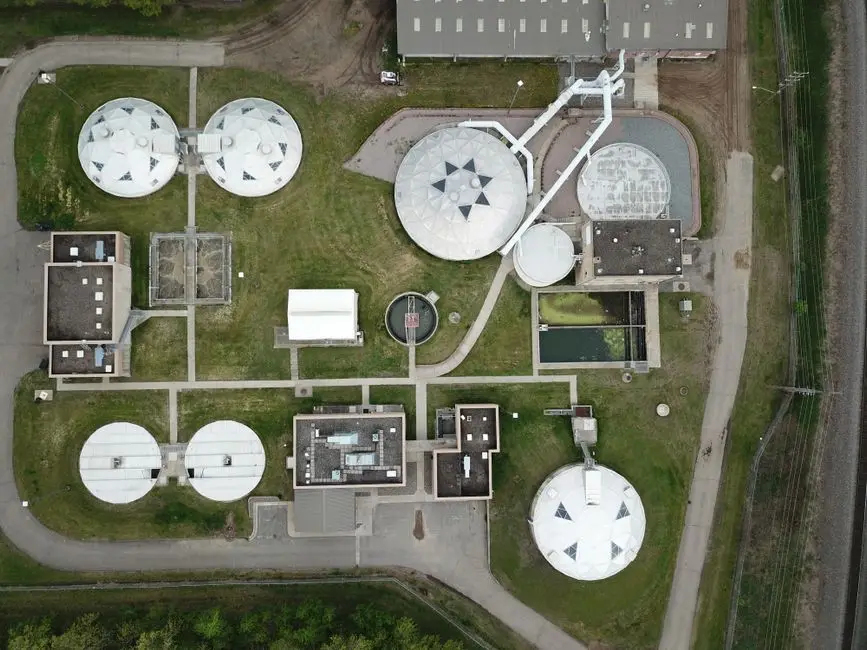
Aerial view of a structured water treatment plant showcasing various components.
Licensed Licensed & Bonded
Fully Insured Insured & Bonded
24/7 Emergency Same-Day Response
Warranty Backed Workmanship Guaranteed

What Sewage Cleanup Includes

Sewage Water Extraction in New York covers assessment, safe access, contaminated-water pump-out, appropriate removal of affected porous materials, surface cleaning, and initial structural drying. We explain which items are being removed and why before work proceeds. Plumbing repairs, reconstruction, and replacement finishes are follow-on work; the cleanup phase focuses on removing the hazard and documenting moisture so repairs can be planned.

Site Assessment and Isolation

We identify the apparent source, affected rooms, water depth, and route through the building. Where appropriate, we separate the work area from clean spaces and set a controlled path for equipment and debris. You get a clear outline of what is contaminated before extraction begins.
Contaminated Water Pump-Out

We remove accessible sewage with a submersible or portable extraction pump selected for depth and access. Extraction pads and a wet/dry vacuum help collect remaining liquid along edges and around obstacles. We track visible water removal and check areas that are easy to miss.

Affected Material Handling

We separate cleanable contents from porous materials contaminated by sewage. Items that cannot be safely cleaned are removed and bagged, while suitable hard surfaces receive targeted cleaning. This avoids treating every item the same and gives you a record of the materials affected.

Cleaning and Odor Control

We clean suitable surfaces using an appropriate antimicrobial cleaning solution and use filtration equipment when the site needs air control. Cleaning is matched to the surface and contamination. Persistent odor is investigated as a sign of residue or trapped moisture, not covered with fragrance.

Drying and Moisture Checks

We position air movers and dehumidification equipment to move moisture out of affected materials. A moisture meter guides follow-up checks, and we explain remaining wet areas before equipment is removed. Drying commonly takes 2 to 5 days, with timing determined by readings and construction.

Sewage Water Extraction in New York: The Work


Sewage Water Extraction in New York is a contaminated-water removal service that pumps sewage from buildings and begins controlled cleaning and drying after a backup or overflow. We identify the affected rooms, stop access to unsafe areas, and use a submersible pump or portable extraction pump for standing water. Then we remove contaminated porous materials when needed, clean reachable surfaces with an antimicrobial cleaning solution, and measure moisture in floors and walls. The goal is to remove the hazard and document what still needs drying or repair.

Across New York, older drain lines, basement fixtures, heavy rain, and winter frozen pipe failures can send wastewater indoors. Our New York sewage cleanup and removal process addresses the source and the affected materials, not just the visible puddle. If you are asking who removes sewage water from a flooded basement in New York, our crew can pump out the water, separate salvageable contents, and begin structural drying. Keep people and pets out until the affected area is assessed.

What Happens During Cleanup

Sewage Water Extraction in New York follows a deliberate order: contain the affected area, remove wastewater, clean, and dry. We explain each stage before moving equipment through your home. A straightforward single-room response may take several hours for extraction and initial cleaning; drying and repairs take longer and depend on material readings.

01

Schedule

Call or book online — a real human picks up and confirms a 2-hour arrival window.

02

Diagnose

Licensed tech inspects on-site, then walks you through the cause and your options.

03

Fix

The job is completed to code and done right the first time — no shortcuts, no surprises.

04

Guarantee

Every job backed by a written workmanship warranty — and we stand behind it.

Equipment and Cleanup Methods

Tools & Equipment

Truck-mounted water extraction unit

We use this unit where vehicle access and hose routing suit a larger extraction area. It removes substantial water efficiently, while portable equipment remains available for tight rooms and restricted entries.

Portable extraction pump

A portable extraction pump fits basement stairs, interior utility rooms, and locations where truck-mounted hose access is limited. We choose it according to water depth, solids, and the discharge setup.

Moisture meter

The meter checks moisture in accessible building materials after pumping. We compare readings across affected and less-affected areas to guide drying and determine whether a wall or floor needs further inspection.

Dri-Eaz dehumidification equipment

Dri-Eaz equipment supports controlled drying when moisture remains in rooms or building materials. We position dehumidification alongside air movement and adjust the setup as readings change.

HEPA air scrubber

A HEPA air scrubber with HEPA filter media helps control airborne particles in the work area when conditions call for filtration. It complements containment and cleaning; it does not replace removal of contaminated materials.

Methods & Standards

ANSI/IICRC S500-informed restoration

We use the ANSI/IICRC S500 Standard for Professional Water Damage Restoration as a reference for assessment, extraction, and drying decisions. The work is adapted to the source and condition of the water, building materials, and site access rather than applying one equipment setup to every loss.

Containment and controlled removal

We limit movement between contaminated and clean areas, use protective clothing, and bag affected debris. Containment is selected for the site layout and work scope. This reduces avoidable tracking through homes and shared buildings while extraction and cleaning are underway.

Measured structural drying

After wastewater and debris are removed, we use air movement and dehumidification to dry affected assemblies. Moisture readings guide equipment placement and follow-up checks. We do not rely on a set number of hours; drying ends when materials reach appropriate measured conditions.

When to Call for Sewage Cleanup

01

A basement floor drain backs up overnight and sewage reaches the laundry area and stored belongings.

What we do: We isolate the affected area, check water depth and access, then pump out the wastewater. Our crew sorts porous belongings from cleanable surfaces, removes contaminated materials as needed, and checks nearby walls and flooring for trapped moisture.

→ You get the visible water removed and a clear list of affected materials, plus a drying plan based on measurements rather than guesswork.

02

A shared apartment hallway is contaminated after a waste line overflows near a plumbing chase.

What we do: We protect the route through the building, separate the work zone, and remove sewage from the affected corridor. We clean appropriate hard surfaces and assess baseboards or floor edges where liquid can collect. Building staff receive an update on access and drying.

→ Residents have a defined clean route around the work, and management knows which surfaces need further drying or repair.

03

Heavy rain pushes water through a basement drain, with a sewage smell and visible solids.

What we do: We treat the affected water as contaminated, pump out the pooled liquid, and inspect the floor perimeter and stored contents. Our team removes unsalvageable porous materials, cleans suitable surfaces, and sets drying equipment where readings show moisture.

→ The immediate contamination is addressed, damp materials are identified, and you can coordinate drain or sewer repairs alongside restoration.

04

A winter pipe failure releases wastewater into a utility room with electrical equipment nearby.

What we do: We first assess safe access and keep people away from wet electrical hazards. Once the work area is safe, we extract water using equipment matched to the room, handle contaminated debris, and measure moisture around the utility space.

→ The room moves from uncontrolled standing water to a documented cleanup and drying plan, with the plumbing source identified for repair.

How Sewage Cleanup Works Across New York

Sewage Water Extraction in New York varies with the building and the weather. Older homes and multifamily properties may have narrow basement stairs, finished lower levels, or shared drain lines that complicate equipment access. In coastal communities, intense rain can overload drainage and push sewage through low-level fixtures; inland winters bring frozen pipe failures and sudden releases into utility rooms. We plan hose routes and pump placement around those constraints, then separate affected spaces from occupied areas. If you need New York black water cleanup and structural drying, we remove contaminated water first and use moisture readings to guide the next stage. We follow applicable worker-safety practices and use the ANSI/IICRC S500 as a restoration reference. Property-specific plumbing, building, and waste-handling requirements can differ, so we coordinate the cleanup plan with the relevant building manager or trade professional. The process is practical: identify the source, contain the area, remove contaminated materials, clean appropriate surfaces, and verify drying before rebuilding.

Neighborhoods We Serve

  • New Rochelle residential blocks

    Basements and shared residential buildings call for careful equipment routing through stairwells and clear separation between affected rooms and occupied areas.

  • Freeport waterfront areas

    Heavy rain and drainage pressure can compound basement backups; we check low points, floor drains, and stored belongings after removing standing wastewater.

  • Huntington Station homes

    Finished basements and utility spaces need close inspection at flooring edges and lower walls, where sewage water can spread beyond the visible pool.

  • Rome older properties

    Cold-season pipe failures can leave water in basements and service rooms; we assess safe access and inspect surrounding materials after pump-out.

Local Conditions We Plan For

  • Coastal rainfall overwhelms a low-level drain or basement fixture

    Stormwater and sewage can mix, increasing the affected area and changing protective controls. We identify where the waste line contributed, remove contaminated water, and inspect floor edges and stored materials.

  • Freezing temperatures lead to a pipe failure in an enclosed utility room

    Water can remain hidden behind equipment or beneath stored items, while cold conditions slow drying. We clear access, pump the water, and use readings to position drying equipment around wet building materials.

  • Older shared buildings have narrow stairs and common corridors

    Large equipment may not fit through every entry, and residents still need safe access. We plan portable extraction, protect the route, and keep the work boundary clear while contaminated materials are removed.

Basement Drain Backup Contained

Before

A basement drain backup left approximately 2 inches of contaminated water across a laundry and storage area. Cardboard boxes had collapsed, water reached the floor edges, and the homeowner could not tell whether the baseboards were wet. The odor remained after the drain stopped flowing, so the space was kept closed pending cleanup.

After

We removed the standing water with a pump and extraction equipment, then separated affected porous belongings from cleanable items. The floor and lower wall area were checked with a moisture meter, and drying equipment was set where readings showed dampness. The room moved from pooled wastewater to a defined cleanup and repair plan within the work period.

Maintenance: Keep floor drains clear and avoid storing cardboard directly on basement floors. After heavy rain, check drains and utility areas for early signs of backup. Have a plumber inspect a recurring blockage rather than relying on repeated surface cleanup.

Before

A waste line overflow affected a ground-floor corridor, leaving residue near two unit entrances. Residents were tracking through the area, and building staff needed a safe route while cleanup took place. The surface looked partly dry, but material at the flooring edge remained damp.

After

We marked the affected section, controlled foot traffic, removed contaminated debris, and cleaned the suitable hard floor. Moisture checks at the edges identified where additional drying was needed. The building had a defined route around the work and a practical update on which portion remained restricted.

Maintenance: Ask building maintenance to record recurring drain issues and respond to slow-flowing fixtures before an overflow occurs. Keep common-area storage away from floor drains, and report sewage odors promptly so a small affected zone does not become a corridor-wide cleanup.

Before

A winter pipe failure released wastewater into a compact utility room. Water stood around equipment and reached stored supplies, while cold conditions and limited access made the area difficult to inspect. The visible puddle did not show whether moisture had reached the wall base or adjoining floor.

After

We assessed safe access, pumped out the deeper water, and removed contaminated porous material. A moisture meter guided checks around the wall base, and drying equipment was arranged to suit the confined room. The homeowner had a clear separation between cleanup, plumbing repair, and any later replacement work.

Maintenance: Keep utility-room access clear and know where the main shutoff is located. Insulate vulnerable piping where appropriate and arrange prompt plumbing repairs after a failure. Do not store absorbent goods directly on the floor in a room with drain or pipe risk.

Help After Sewage Water Floods Your Basement

Sewage backups can reach finished basements, laundry rooms, storage areas, and shared corridors before the source is obvious. Sewage Water Extraction in New York addresses the wastewater and the materials it has contacted, while giving you a practical path from pump-out to drying. Prompt control helps limit spread and makes repair decisions clearer.

Problem

Sewage spreads across basement flooring and into stored belongings

Contact with contaminated water can make porous boxes, rugs, and furniture unsafe to keep, while liquid under flooring can remain unnoticed after the visible puddle is gone.

Our Fix

We define the affected boundary, pump out standing water, and sort contents by material and exposure. Items that cannot be cleaned are removed; suitable hard surfaces are cleaned. Moisture checks help locate water beneath or beside finished flooring before drying equipment is positioned.

Problem

A sewer backup leaves wastewater trapped beneath finished flooring

Water under flooring can sustain odor and damage adhesive or underlayment even when the room surface looks dry, complicating later repair work.

Our Fix

Our technicians inspect edges and transitions, extract accessible water, and use readings to guide further investigation. Where affected materials cannot be dried or cleaned appropriately, we remove them for access. We explain the findings so your flooring contractor can plan replacement after the area is ready.

Problem

Contaminated water reaches a shared hall or occupied building

Foot traffic can carry residue into clean spaces, and an untreated common area can disrupt access for residents and staff.

Our Fix

We establish a controlled work zone and a practical equipment route, then remove wastewater and affected materials. Suitable flooring is cleaned and checked, while building staff receive a clear update about the work boundary and drying needs. The goal is to reopen spaces based on conditions, not appearance alone.

Problem

Storm-driven drain overflow mixes rainwater and sewage

Mixed water cannot be treated as rainwater alone; contamination can spread across a basement slab and into stored items or lower wall materials.

Our Fix

We assess where the backup occurred and treat sewage-affected areas with the appropriate protective controls. Pumps remove standing water, followed by material sorting, cleaning, and moisture checks. This method addresses both the volume of stormwater and the additional contamination from the drain.

Safer, Drier Rooms After a Backup

Safer, Drier Rooms After a Backup

Sewage brings more than water into your home: it can carry solids, odors, and contamination into floor coverings and porous materials. We focus first on safe access and removal, then on cleaning and drying that you can verify with moisture readings. You get a clear sequence of work, rather than a quick pump-out that leaves wet materials behind.

  • Remove Standing Wastewater

    We select a truck-mounted water extraction unit or portable extraction pump according to access, water depth, and the affected floor area. Removing standing water promptly reduces contact with contaminated liquid and makes it possible to inspect the floor, baseboards, and lower wall cavities. We record remaining moisture instead of judging dryness by appearance.

  • Control Cross-Contamination

    Our crew uses disposable protective gloves, protective coveralls, and polyethylene containment sheeting where site conditions call for separation. We limit traffic through clean rooms and bag contaminated debris before it leaves the work area. That practical control helps keep sewage residue from being tracked into hallways, stairwells, or occupied sections of a building.

  • Dry Hidden Materials

    A dry-looking surface can conceal moisture under flooring or behind a wall. We use a moisture meter to check materials and position air movers and a commercial dehumidifier to support drying. Readings guide equipment placement and follow-up checks, helping you avoid closing up damp assemblies that can develop persistent odor or further damage.

  • Plan the Next Repair

    After extraction, we explain what was removed, what remains wet, and which repairs are needed next. Photos and moisture readings help you coordinate with a plumber, building manager, or insurer. You can make decisions based on the affected materials and measured conditions, not guesswork or a surface-only cleanup.

Training and Work Standards

Licensed & Certified

  • Water Damage Restoration Technician — issued by Institute of Inspection, Cleaning and Restoration Certification
  • Applied Structural Drying — issued by Institute of Inspection, Cleaning and Restoration Certification
  • Applied Microbial Remediation Technician — issued by Institute of Inspection, Cleaning and Restoration Certification
  • OSHA worker safety training — issued by Occupational Safety and Health Administration

Verified Reviews

Customer feedback Not stated

A homeowner described a basement sewer backup that reached the laundry floor and storage. The crew pumped out standing water, separated porous belongings, and explained the moisture readings at the lower walls. The customer said having a clear list of cleanup and repair steps made it easier to move forward.

Customer feedback Not stated

A property manager reported a waste-line overflow in a shared corridor. The response kept residents away from the affected section, removed wet debris, and cleaned suitable flooring. The manager appreciated receiving a practical update about the remaining drying work and access route.

Customer feedback Not stated

A homeowner dealing with a winter utility-room backup said the team checked beyond the visible puddle. Pumping, material removal, and moisture checks helped identify what needed drying before repairs. The customer valued the direct explanation of the plumbing issue and restoration work.

Field Knowledge and Safe Practice

Sewage cleanup requires more than a pump: technicians must recognize contamination boundaries, protect occupants, and distinguish wet materials that can be cleaned from those that need removal. Our work is guided by applicable IICRC training and the ANSI/IICRC S500 Standard for Professional Water Damage Restoration, with job methods matched to the actual loss. We do not claim a set number of years or completed jobs; we focus on clear site assessment, controlled extraction, and measurable drying. You get practical explanations about what is wet, what is contaminated, and what happens next.

  • Our technicians use OSHA worker safety training principles, protective clothing, and controlled access to reduce exposure during sewage removal.
  • IICRC Water Damage Restoration Technician training informs water categorization, extraction choices, and drying documentation.
  • IICRC Applied Structural Drying methods guide airflow and dehumidification when moisture reaches building assemblies.
  • IICRC Applied Microbial Remediation Technician training supports careful handling of contaminated materials and affected surfaces.
  • We apply the ANSI/IICRC S500 Standard for Professional Water Damage Restoration as a technical reference for assessment and restoration work.
Get Started Today
Field Knowledge and Safe Practice

Cities We Serve Across New York

Our statewide coverage brings Sewage Water Extraction in New York to communities with different building types, weather exposure, and access challenges. We coordinate New York sewage cleanup and removal for basement backups, shared-building overflows, and contaminated water in utility spaces. From coastal drainage pressure to colder inland pipe failures, we select equipment for the property rather than relying on one fixed setup. The cities below are part of the service area; tell us where the water is and what it has reached.

Sewage Cleanup Questions, Answered

Real answers to the questions we hear most often from local homeowners and property managers.

Who provides emergency sewage water extraction in New York?
New York Water Extraction Pros provides emergency sewage water extraction across New York; call +18668968166 for help. We ask where the backup is, how deep the water is, and whether electricity or a plumbing failure is involved. Keep people and pets out of the affected area while we arrange the response. On arrival, we assess access and contamination, then select pumps and protective controls for the conditions at your property.
Is it safe to enter a home after a sewage backup?
No, do not enter a sewage-affected area until hazards and contamination have been assessed. Sewage can contact skin, contaminate porous items, and reach electrical equipment; standing water can hide sharp debris. Keep children and pets away, avoid operating switches in wet areas, and call for help. We establish a safe work boundary, identify visible hazards, and explain when access can resume based on the cleanup and drying conditions.
Does sewage cleanup include contaminated material removal?
Yes, sewage cleanup includes removing contaminated materials that cannot be safely cleaned, along with wastewater extraction and cleaning of suitable surfaces. Carpet padding, damaged insulation, and other porous items may require removal based on their condition and contact with sewage. We separate debris from salvageable contents, bag affected material, and document what was taken out. Structural repairs and replacement materials are separate work after cleanup and drying are complete.
How quickly should sewage water be removed in New York?
Begin professional removal as soon as it is safe, ideally within hours rather than waiting overnight. Longer contact increases the chance that sewage reaches flooring, baseboards, and wall cavities; drying can then take several days. We start with safe access and pumping, then assess hidden moisture. A small, accessible room may need a few hours of extraction, while multi-room losses require more time.

Related Cleanup Services

Emergency Water Extraction

When a sewage backup leaves water across several rooms, emergency extraction addresses the immediate standing water before cleaning and material decisions begin. We assess the source, remove accessible water, and keep the contaminated zone controlled so your property can move into the correct sewage-specific cleanup steps.

View Emergency Water Extraction

24/7 Water Removal

Sewage backups do not follow business hours. 24/7 Water Removal connects the urgent pump-out with a safe response plan, including access checks and equipment selection. We focus on the affected area first, then explain what cleaning, removal, and drying work follows once the water is out.

View 24/7 Water Removal

Standing Water Removal

Standing Water Removal is useful when a basement drain or fixture has overflowed and liquid remains across the floor. For sewage, we pair pumping with contamination controls and material assessment. The service reduces the volume of wastewater before detailed surface cleaning and drying can proceed.

View Standing Water Removal

Flood Water Extraction

Flood Water Extraction addresses water that enters from storms or overland flow. If sewage mixes with floodwater or a drain backs up during a storm, we assess it as contaminated water rather than treating it as clean rainwater. That distinction changes protective measures and material handling.

View Flood Water Extraction

Basement Water Removal

Basement Water Removal covers water pooled around laundry equipment, floor drains, storage, or finished rooms. When the water contains sewage, we isolate the affected portion, pump it out, and assess carpet, drywall, and stored contents. This helps you distinguish cleanup needs from later rebuilding.

View Basement Water Removal

Crawl Space Water Removal

Crawl Space Water Removal targets water under the home, where limited access and damp soil complicate inspection. If wastewater reaches the space, we plan safe entry, remove accessible liquid, and check nearby framing and insulation. Drying and removal choices depend on contamination and the materials present.

View Crawl Space Water Removal

Call for Sewage Water Extraction in New York

A sewage backup needs prompt, controlled removal. Our technicians use protective equipment and measured drying methods to address contaminated water and wet materials. Call +18668968166 now and tell us where the water is, how deep it is, and whether the source is still active.

Call Now Call for Help

Contact Our Team

Call New York Water Extraction Pros at +1 866-896-8166 any time, day or night, for help with flooding, leaks, or standing water. Tell us your community, the affected rooms, and whether the water is still coming in. We will connect you with an independent company serving your area and help move the response forward.

Or call us right now at +18668968166 — we answer.

New York Water Extraction Pros


  • Phone

    +18668968166
  • Address

    New York

  • Hours

    Mon–Fri: 7AM – 7PM
    Sat: 8AM – 4PM
    Sun: Emergency Only
    24/7 Emergency Available

Call +18668968166 Get Quote
Call Quote