
Residential Water Extraction for Buffalo Homes
Buffalo homes range from older properties with aging plumbing to houses with finished basements, stored belongings, and modernized living spaces. A pipe leak, sump issue, or rainwater intrusion can affect more than the visible floor, especially when water reaches wall bases or materials beneath flooring. We remove water, inspect nearby surfaces, and explain which areas need continued drying so your household can plan around the work. For water damage drying service in Buffalo, we measure moisture and place equipment to move air through affected rooms. We keep routes clear where safe, protect unaffected areas, and adjust the plan to your home's access, room layout, and water source. If children, pets, or essential household items are nearby, tell us when you call so we can plan the work zone.
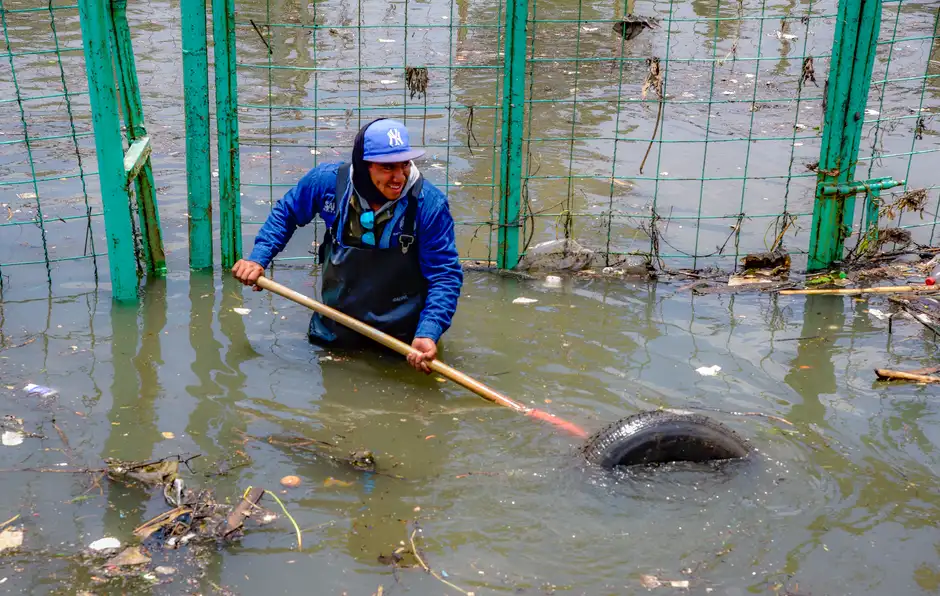
- Basement water removal — We remove pooled water from Buffalo basements and check the edges where water can remain under stored items or flooring. If the water is deeper, pumping clears volume first; targeted extraction follows. We then assess damp materials and explain which areas need drying equipment or further inspection.
- Burst pipe cleanup — A burst pipe can wet multiple rooms before the shutoff is found. In Buffalo, we help remove water from floors and affected contents, inspect adjoining wall bases, and check for moisture beyond the original leak area. We coordinate the extraction sequence around plumbing repairs and safe household access.
- Crawl space extraction — Crawl space water can affect insulation and structural materials that are difficult to see from the entry. We plan access, remove available standing water, and check moisture conditions in the reachable area. Our team explains what was inspected and whether further drying or repair work is needed.
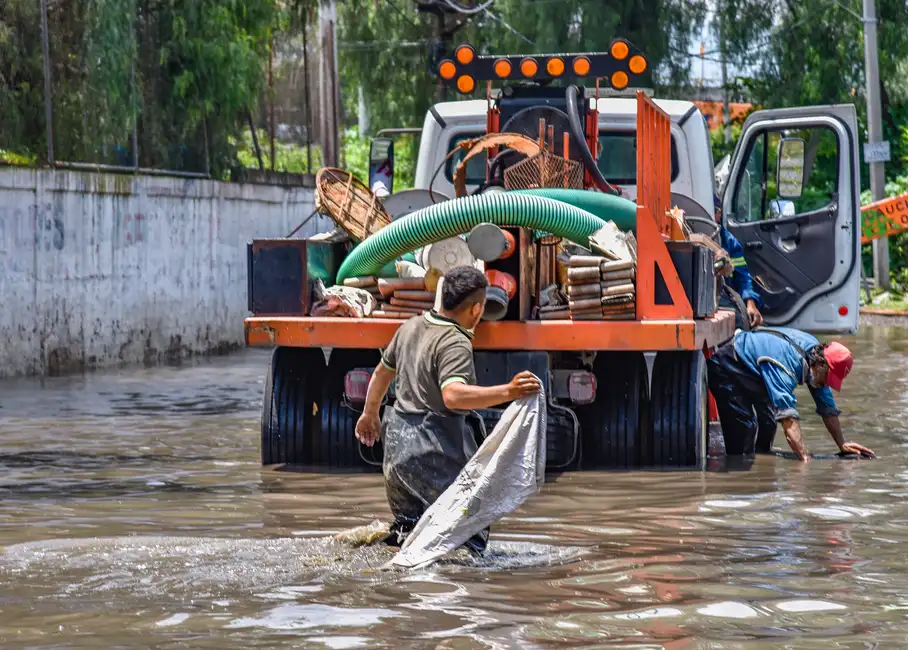
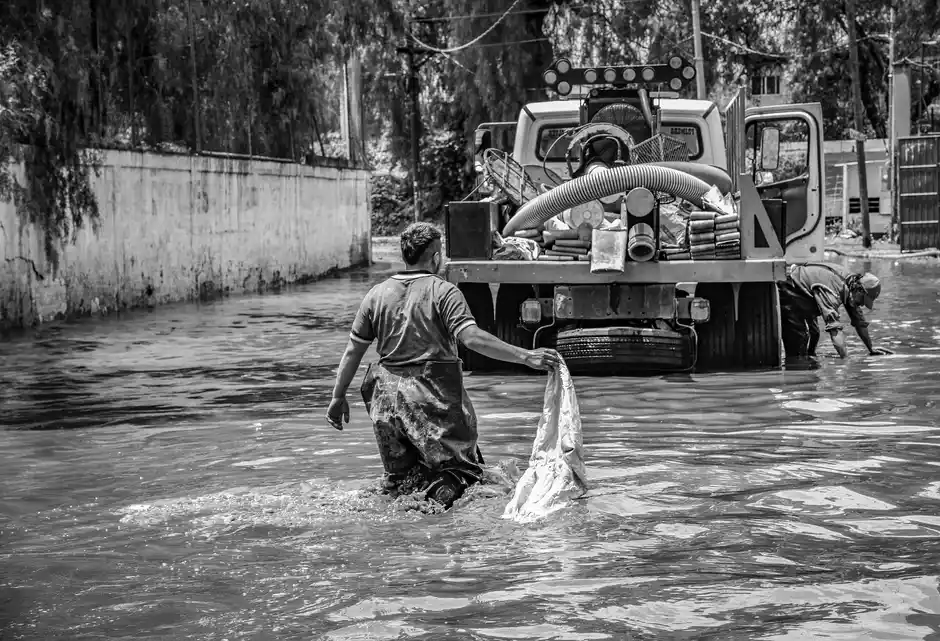
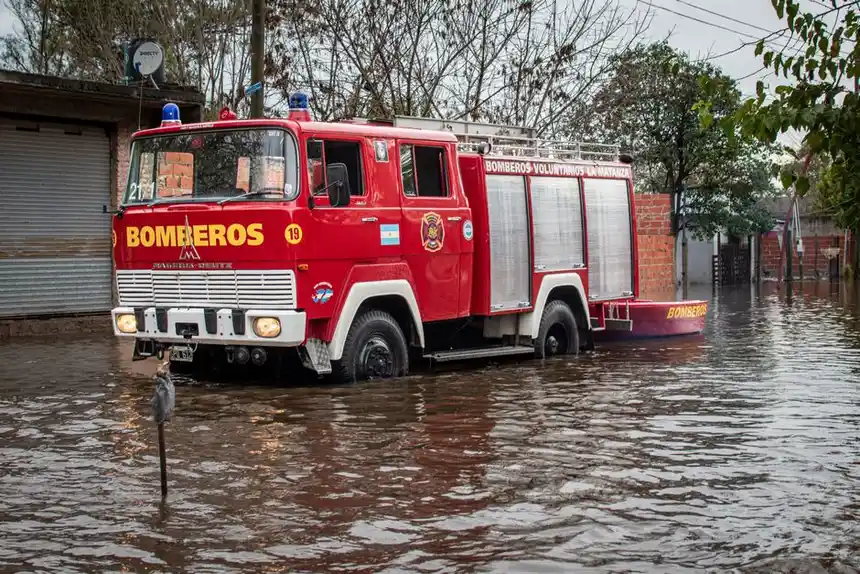
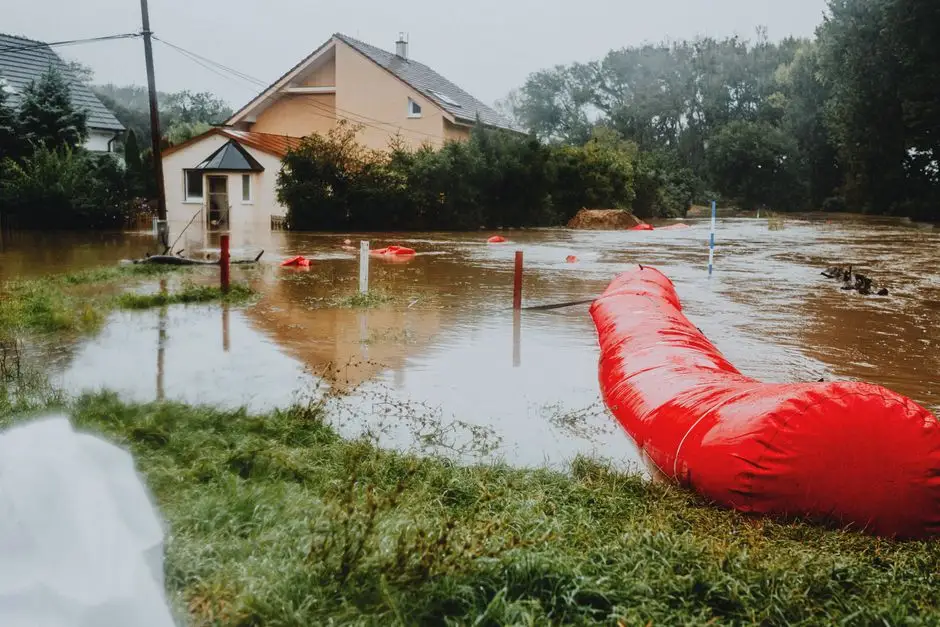
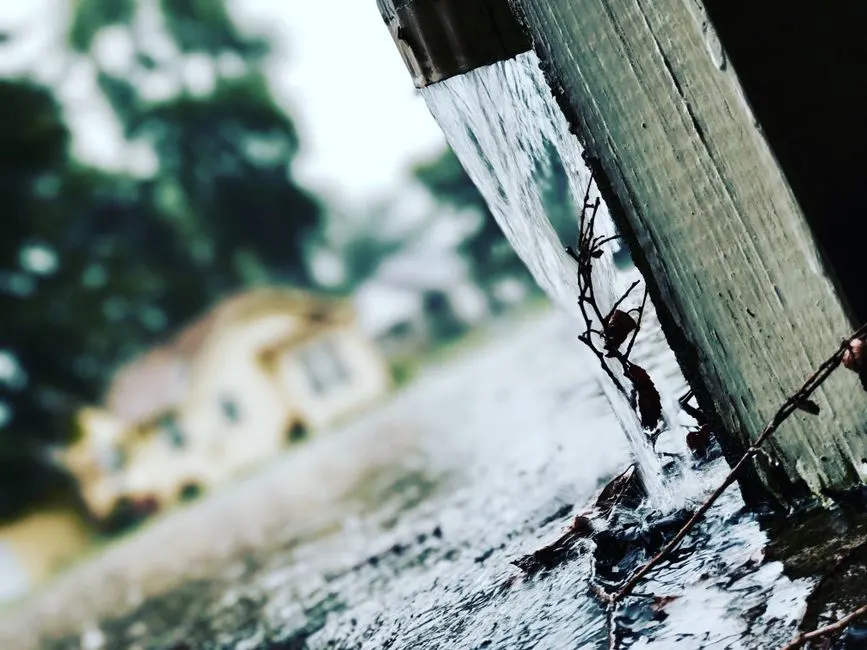
- Stormwater cleanup — When rain or snowmelt reaches a Buffalo home, we remove water and assess its path through the lower level. We check water category, inspect floor transitions, and protect unaffected rooms during extraction. You get a practical explanation of what can be dried and what requires a closer material assessment.