
Logo
Get Estimate

Standing Water Removal in New York for Fast Relief

We pump out pooled water and protect your property


Standing Water Removal in New York gets water out of flooded basements, living spaces, and crawl spaces before soaked materials deteriorate. If a burst pipe, storm, or sewage backup has left water across your floor, our team extracts it, checks moisture in surrounding materials, and explains the next drying steps. We provide standing water removal services New York property owners can call for homes, rentals, and commercial buildings across the state.

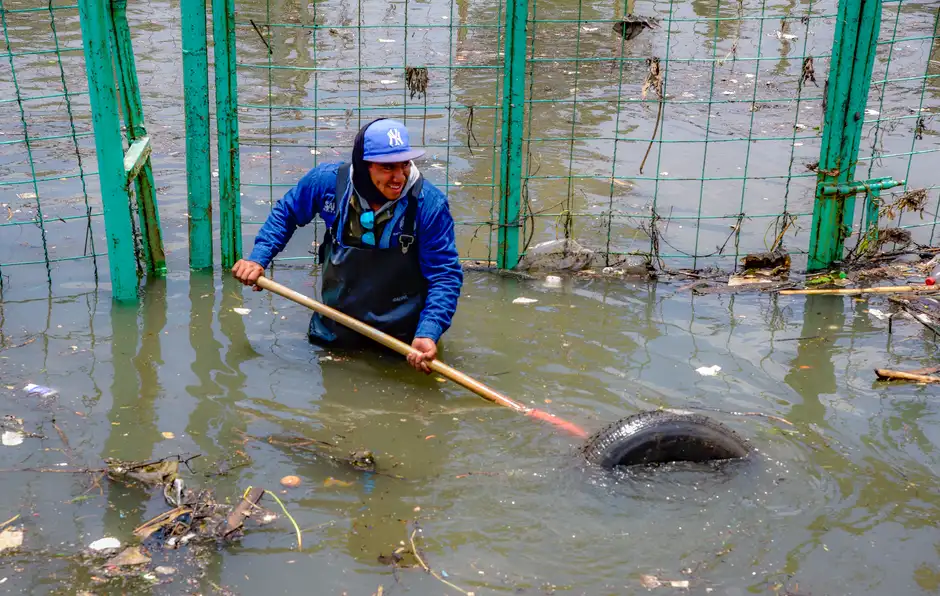
Man removing debris from flooded polluted water with a stick, highlighting urban pollution.
Licensed Licensed & Bonded
Fully Insured Insured & Bonded
24/7 Emergency Same-Day Response
Warranty Backed Workmanship Guaranteed

What Standing Water Removal Includes

Our service covers an on-site assessment, safe water extraction, and checks of accessible materials after the pool is removed. We explain whether the water appears clean or contaminated and identify the next drying actions when readings show retained moisture. Structural drying, demolition, plumbing repair, and contents restoration are separate tasks when the condition calls for them; we clarify the immediate extraction work and its limits before proceeding.

Water Source Assessment

We identify the visible source, check whether water is still entering, and note depth and affected rooms. That information guides safe equipment selection and helps us distinguish a pipe leak from stormwater or a sewage backup. We also flag electrical or access hazards before moving equipment.
Bulk Water Extraction

We use a suitable pump, extraction unit, or wet/dry vacuum to remove standing water from accessible floors and low areas. The method depends on water depth, debris, and room access. We work carefully around thresholds and unaffected contents to avoid spreading water.

Moisture Checks

After pumping, we check accessible flooring, baseboards, and lower wall surfaces for remaining moisture. A moisture meter helps establish readings and identify areas that warrant further drying. We explain what the readings mean and whether hidden areas need additional inspection.

Drying Recommendations

If the structure remains damp, we explain equipment placement and monitoring needs for air movement and dehumidification. You will know which rooms should remain accessible and what signs to watch for. Additional drying equipment is arranged according to the affected materials and moisture readings.

Standing Water Removal in New York


Standing Water Removal in New York is an emergency water mitigation service that extracts pooled water from buildings and helps limit damage to wet materials. We identify the water source, assess depth and contamination, then select a truck-mounted water extraction unit, submersible pump, or portable extraction pump for the conditions. After bulk removal, our technicians use a moisture meter to check floors and accessible wall areas. Extraction removes free water; structural drying is a separate monitored stage when building materials remain damp.

Basement flooding, burst pipe leaks, frozen pipe failures, stormwater intrusion, and sewage backups all create different cleanup needs. In older homes, water can travel beneath flooring or collect behind finished walls; in low-lying coastal areas, heavy rain can overwhelm drains and sump systems. If you need standing Water Removal for flooded homes in New York, we separate clean-water situations from contaminated water, protect unaffected areas, and plan removal around the building's materials and access.

What Happens During Service

Our process starts with the hazard and the water source, not a machine running at random. Standing water removal services New York residents call for follow a practical sequence: assess, extract, inspect, and document drying needs. You will know what our crew is doing at each stage and why.

01

Schedule

Call or book online — a real human picks up and confirms a 2-hour arrival window.

02

Diagnose

Licensed tech inspects on-site, then walks you through the cause and your options.

03

Fix

The job is completed to code and done right the first time — no shortcuts, no surprises.

04

Guarantee

Every job backed by a written workmanship warranty — and we stand behind it.

Equipment and Extraction Methods

Tools & Equipment

Submersible pump

We use a submersible pump to move deeper water from basements, pits, or low collection points. It is useful when a vacuum would be too slow for the volume, provided the water and site conditions suit the equipment.

Truck-mounted water extraction unit

This high-capacity equipment supports larger extraction jobs where vehicle access and hose routing are practical. It moves substantial water from a building while keeping much of the equipment outside the affected room.

Wet/dry vacuum

A wet/dry vacuum collects shallow pools, edges, and residual water after the main volume is pumped. We use it where maneuverability matters, including around thresholds and accessible hard-surface corners.

Moisture meter

We use a moisture meter to check accessible building materials after extraction. Readings help identify damp areas that need drying and provide a baseline for follow-up monitoring rather than relying on touch alone.

Commercial dehumidifier

When materials remain wet, a commercial dehumidifier removes moisture from the room air as part of controlled structural drying. We position it with air movement based on the affected room and material readings.

Dri-Eaz equipment

Dri-Eaz restoration equipment is used where its extraction or drying capabilities suit the job. Equipment choice follows water volume, room layout, and drying needs, not a brand name alone.

Methods & Standards

ANSI/IICRC S500-informed assessment

We follow the ANSI/IICRC S500 Standard for Professional Water Damage Restoration as a framework for assessing water categories, affected materials, extraction, and drying. We adapt the work to the property and source, documenting conditions so you understand why a particular method is being used.

Source control before bulk extraction

We stop or limit active water entry before focusing on removal whenever it is safe and practical. That can mean coordinating a shutoff for a pipe leak, restricting a drain backup area, or managing ongoing stormwater entry. Source control prevents a room from refilling while the crew pumps.

Measured structural drying

After extraction, we take moisture readings and use air movers with dehumidification when building materials remain damp. We monitor progress instead of assuming a fixed equipment run time. Drying needs change with material type, room temperature, airflow, and the amount of water absorbed.

Containment and contamination controls

For sewage or other contamination concerns, we limit movement between affected and clean areas with protective procedures and polyethylene containment sheeting when appropriate. Technicians wear disposable protective gloves and protective coveralls. Cleaning and HEPA air scrubber use are selected for the site conditions.

When to Call for Water Removal

01

A frozen pipe fails overnight and leaves water across a basement before the household wakes.

What we do: We begin by checking whether the supply is still flowing and whether the area is safe to enter. Once the source is controlled, we pump out the pool, check nearby walls and flooring, and explain any drying equipment needed. You get a practical sequence rather than a rushed vacuum of the visible water alone.

→ The basement is cleared of standing water, affected materials are identified, and you know which repairs or drying steps should follow.

02

A storm overwhelms a window well, sending rainwater across a finished lower-level room.

What we do: We remove water from the floor and assess thresholds, carpet edges, and lower wall sections for moisture. If water continues entering, we identify the accessible route and help prioritize containment while conditions allow. After extraction, we discuss drying and cleanup according to the water and materials involved.

→ You regain access to the room and have a defined plan for wet flooring, contents, and any remaining entry concerns.

03

A washing machine hose breaks and floods a laundry room connected to a hallway.

What we do: We stop the supply if it remains active, protect the dry hallway, and extract water from the laundry area and accessible floor edges. We check nearby baseboards and flooring seams so water that traveled beyond the room is not missed. If readings stay elevated, we recommend targeted drying.

→ Water is removed from the connected floor area, and you can make informed decisions about drying before replacing or covering materials.

04

A drain backs up in a commercial utility space shortly before staff arrive.

What we do: We assess whether the water is contaminated, restrict access to the affected area, and select extraction equipment appropriate to the volume. Our crew removes the pool and identifies surfaces needing disinfection or further cleanup. We communicate the work sequence so you can plan safe access for staff.

→ The affected space is cleared for the next cleanup phase, with contamination concerns and remaining work identified before normal use resumes.

How We Work Across New York

Standing water removal in New York changes with the season, building, and water source. As November brings colder nights, an unheated basement or exposed line can freeze; winter failures often appear as a sudden pool near a utility room or exterior wall. Spring thaw and heavy rain can overwhelm window wells and drainage systems, while summer storms bring fast runoff to lower-level entrances. Coastal communities also face stormwater intrusion that can carry sediment. Our crew serves older masonry homes, finished basements, apartment buildings, and commercial spaces. We check whether narrow stairs, low ceilings, shared hallways, or building access rules affect equipment placement. New York standing water extraction includes assessing water category and protecting unaffected areas; if you need how to get professional standing water removal in New York, tell us the source, depth, and affected rooms. We work in line with the ANSI/IICRC S500 framework and applicable worker-safety practices, and explain when a plumbing or building professional should address the source before drying continues.

Neighborhoods We Serve

  • Yonkers

    Older homes and multi-level properties can have finished lower levels with limited equipment access. We plan hose routes and check basement wall edges after extraction.

  • Troy

    Cold-weather pipe failures can leave water near exterior walls and utility areas. We look beyond the visible pool for moisture that has moved under flooring or into lower wall materials.

  • Central Islip

    Heavy rain can push water through entry points and window wells. We separate stormwater cleanup from interior drying needs and check thresholds where water first entered.

  • Poughkeepsie

    Mixed older and newer building stock means access and floor assemblies vary. We choose extraction equipment based on the basement layout and the material readings after pumping.

Local Conditions We Plan For

  • Freezing nights expose unheated rooms and vulnerable water lines

    Frozen pipe failures can leave water beneath finished flooring or along exterior walls. We focus on source control and check nearby materials after pumping, because the visible leak point may not show the full wet area.

  • Heavy rain and spring thaw overload lower-level drainage

    Water may enter through a window well, foundation opening, or doorway and carry grit into finished rooms. We remove the pool, manage affected contents, and note entry points that need attention once conditions are safe.

  • Older basements include tight stairs and mixed porous materials

    Narrow access can limit equipment size, while masonry, wood, and finished wall assemblies respond differently to moisture. We plan the extraction route and use readings to guide drying instead of applying the same setup everywhere.

Basement Pipe Leak Cleared

Before

A failed supply line left roughly 2 inches of water across a 350-square-foot basement. Boxes and a workbench sat in the affected area, and water had reached the base of two finished walls. The customer shut off the main supply, but the floor remained covered and damp materials were difficult to assess.

After

We extracted the standing water, cleared accessible floor edges, and checked the lower walls and floor with a moisture meter. The visible pool was removed in about three hours, and the readings identified two wall sections that needed continued drying. The customer had a clear record of what was wet and what needed follow-up.

Maintenance: Keep stored items on shelving, test the sump system before heavy rain, and know where the main shutoff is located. Check supply hoses and visible plumbing connections periodically, especially before leaving the home during freezing weather.

Before

A storm pushed water through a window well and across a finished recreation room. The carpet edge and baseboard were wet, and grit had collected near the entrance. The water source was no longer active, but the room remained difficult to use and the extent of dampness was unclear.

After

Our crew removed the pool, lifted accessible carpet edges for inspection, and checked the lower wall and floor perimeter. Extraction took about two hours; remaining moisture readings guided air-mover and dehumidifier placement. The customer could use the unaffected part of the lower level while the wet section dried.

Maintenance: Clear debris from window wells and confirm drains are open before forecast heavy rain. Inspect the lower-level entry after storms, and move stored belongings away from the floor so a small intrusion is easier to spot and manage.

Before

A drain backup spread contaminated water across a 90-square-foot laundry room and reached the doorway. Detergent, lint, and waste water mixed on the floor, so household mopping risked carrying contamination into the hall. The washer and nearby storage also needed careful handling.

After

We restricted access, wore protective equipment, and extracted the pooled water with controlled methods. The visible water was removed in about 90 minutes, then we identified hard surfaces requiring cleaning and flagged porous items for separate evaluation. The hallway remained protected during the removal work.

Maintenance: Avoid storing paper goods and fabrics directly on a utility-room floor. If a drain begins backing up, stop using connected fixtures and keep people out of the affected area until the water source and contamination are assessed.

Problems Solved by Fast Water Removal

Standing water can disrupt daily routines and hide damage beneath the surface. We remove the pool, identify the source, and check affected building materials so you can make a sound decision about cleanup and drying. Our service addresses the immediate water problem while accounting for contamination, access, and how the building is constructed.

Problem

A basement floor covered after a sump failure

Water can soak stored belongings, unfinished framing, and lower wall materials, while another rain event adds more water before the system is restored.

Our Fix

We assess depth and access, pump out the basement, and check the perimeter and utility areas for moisture. If the sump system needs repair, we identify the water source and coordinate the extraction sequence around that work. We then explain whether air movement and dehumidification are required.

Problem

Water spreading from a burst pipe behind finished walls

The visible pool may be small even as water runs into flooring seams and wall cavities, leaving wet building materials outside the obvious damage area.

Our Fix

We remove the pooled water, document the affected area, and use moisture readings to identify suspect surfaces. Where the pattern suggests hidden moisture behind walls, we explain the need for targeted inspection rather than relying on appearance. This helps focus drying on the materials that actually need it.

Problem

Stormwater entering a lower level during heavy rain

Sediment and debris can spread across finished floors, and continuing runoff may refill the room before the entry point is controlled.

Our Fix

We identify active entry routes where accessible, extract the water, and separate affected contents from dry areas. Our team checks lower walls and thresholds for retained moisture, then outlines practical next steps to address the entry point and support drying after the storm.

Problem

Sewage backup leaving contaminated water across a utility room

Contact can expose occupants to contamination, and ordinary household cleanup may spread waste water to clean areas or porous materials.

Our Fix

We treat sewage as contaminated, limit access, use protective equipment, and extract the water with appropriate controls. We identify affected porous materials and discuss cleaning or removal needs based on condition. HEPA air scrubber use and antimicrobial cleaning solution may be appropriate for the cleanup plan.

Less Water, Less Building Damage

Less Water, Less Building Damage

Standing water keeps soaking floors, trim, insulation, and stored belongings until it is removed. We focus first on safe access and source control, then move water out with equipment matched to the depth and room layout. You get a clear account of what was extracted, what remains damp, and which drying actions are needed next.

  • Stop Ongoing Saturation

    Water continues migrating through seams and porous materials while it sits. We remove bulk water promptly, then check nearby surfaces so your next decision is based on measured moisture rather than a dry-looking floor. Our water pooling cleanup New York work is useful after appliance leaks, pipe failures, or rainwater entering a lower level.

  • Protect More Contents

    We prioritize accessible furniture, stored items, and walkways before moving extraction equipment through the affected area. Water-absorbent extraction pads help lift residual water from suitable hard surfaces, while protective coveralls and gloves are used when contamination is suspected. You get practical guidance on which contents can be moved and which need separate cleaning.

  • Find Hidden Wet Areas

    A surface can feel dry while water remains beneath flooring or inside a wall cavity. We use a moisture meter and, where useful, a thermal imaging camera to identify temperature patterns that warrant closer inspection. That helps us map drying needs and reduces the chance that damp building materials are overlooked after the visible pool is gone.

  • Plan Drying With Purpose

    Extraction is the first phase, not the finish line. If readings show retained moisture, we position an air mover and commercial dehumidifier to support controlled drying, then recheck affected materials. You see the difference between water removal and structural drying, including the measurements used to track progress.

Training and Work Standards

Licensed & Certified

  • Water Damage Restoration Technician — issued by IICRC
  • Applied Structural Drying — issued by IICRC
  • Applied Microbial Remediation Technician — issued by IICRC
  • OSHA worker safety training — issued by Occupational Safety and Health Administration

Verified Reviews

Customer feedback ★★★★★5.0

A basement pipe leak left water across the concrete floor. The crew pumped it out, checked the wall edges, and explained why the dehumidifier needed to stay in place after the pool was gone. They gave us specific next steps and did not confuse extraction with the remaining drying work.

Customer feedback ★★★★★5.0

Stormwater entered through a lower-level doorway, and we needed the room cleared before moving stored equipment. The team removed the water, kept the dry side of the room protected, and pointed out the wet baseboard sections. The practical walkthrough helped us coordinate the next cleanup.

Customer feedback ★★★★★5.0

A drain backup left contaminated water in our utility area. The crew restricted access, used protective equipment, and explained what needed cleaning after extraction. They were direct about the condition of the room and helped us avoid spreading the mess into the hallway.

Training That Guides the Work

Standing water removal requires more than pumping; the crew must recognize contamination, protect occupants, and understand how water moves through a building. Our technicians apply water-damage restoration practices informed by the ANSI/IICRC S500 Standard for Professional Water Damage Restoration. We use the relevant steps for assessment, extraction, and drying rather than promising that one pass of equipment solves every problem. We also match personal protective equipment and cleaning methods to the water category and site conditions.

  • Technicians trained as IICRC Water Damage Restoration Technician professionals assess water categories, material exposure, and practical extraction priorities.
  • IICRC Applied Structural Drying principles inform equipment placement and the monitoring of damp assemblies after bulk water removal.
  • IICRC Applied Microbial Remediation Technician training supports work planning where sewage or other contamination requires specialized controls.
  • OSHA worker safety training guides hazard awareness, protective equipment use, and safe movement around wet electrical and structural areas.
  • We use EPA lead-safe certification practices where applicable when work affects painted surfaces in older buildings.
Get Started Today
Training That Guides the Work

Standing Water Removal Questions

Real answers to the questions we hear most often from local homeowners and property managers.

How quickly should standing water be removed in New York?
Remove standing water as soon as it is safe, ideally within 24 hours of discovery. Wet materials continue absorbing water, and contamination concerns increase with time. First avoid entering water near electrical equipment and stop the source if you can do so safely. We assess depth and water type, then select a pump or extraction unit. After pumping, moisture readings show whether floors, walls, or insulation need additional drying.
Who provides standing water extraction for basements?
Our New York Water Extraction Pros team provides basement standing water extraction for residential and commercial properties. We assess access, water depth, and whether the source is a pipe leak, stormwater intrusion, or sewage backup before choosing equipment. A submersible pump handles deeper pools; a wet/dry vacuum clears shallower water and edges. To pump standing water out of a basement in New York, call +18668968166 and describe the depth and source.
Can standing water damage floors and walls?
Yes, standing water can swell wood, loosen flooring, stain finishes, and soak wall cavities within hours. The extent depends on material, water temperature, contamination, and exposure time. We remove pooled water, check accessible materials with a moisture meter, and identify areas needing drying or further inspection. Hidden moisture behind walls is not confirmed by appearance alone, so readings and a targeted assessment matter.
What does professional standing water cleanup cost in New York?
For typical 2026 pricing in this area, a small accessible extraction job can run about $250 to $750, while larger or contaminated losses can range from $1,000 to $4,500 or more. Cost depends on water volume, affected rooms, access, contamination, and drying equipment needs. We provide upfront pricing after assessing the work. New York standing water cleanup and structural drying may be priced as separate phases when materials remain damp.

Related Water Removal Services

Emergency Water Extraction

When water is actively spreading through your home, emergency extraction focuses on stopping the source and removing the pool without delay. We assess hazards, select a pump or extraction unit, and check nearby materials so you understand what remains after the visible water is gone.

View Emergency Water Extraction

24/7 Water Removal

A pipe failure or basement backup does not follow business hours. Our 24/7 Water Removal service addresses urgent pooling at night, on weekends, and during storms. We prioritize safe access, source control, and bulk extraction, then explain whether monitored drying is needed.

View 24/7 Water Removal

Flood Water Extraction

Floodwater can carry sediment or contamination that changes how a room should be cleaned. We identify the likely source, use protective equipment, and extract water with methods suited to depth and debris. After pumping, we assess affected materials and outline the next cleanup steps.

View Flood Water Extraction

Basement Water Removal

Basements collect water from failed sump systems, foundation seepage, broken pipes, and overflowing drains. We pump out the pool, clear accessible floor areas, and check lower wall sections for retained moisture. Your technician explains whether additional drying or contamination treatment is appropriate.

View Basement Water Removal

Crawl Space Water Removal

Water in a crawl space can remain hidden beneath a home and soak framing or insulation. We assess safe access, remove pooled water with suitable pumps, and check reachable materials. If moisture remains, we discuss drying and containment needs before it affects adjoining areas.

View Crawl Space Water Removal

Sewage Water Extraction

Sewage backups require protective controls because the water is contaminated. We isolate the affected area, wear appropriate protective equipment, and extract the waste water before cleaning and disinfection. Porous materials exposed to sewage may require separate handling based on condition and contamination.

View Sewage Water Extraction

Call for Standing Water Removal in New York

Tell us where the water is, how deep it is, and what caused it. Our team will help you take the next safe step and arrange extraction for your property. We provide upfront pricing before work proceeds; call +18668968166 now.

Call Now Request Service

Contact Our Team

Call New York Water Extraction Pros at +1 866-896-8166 any time, day or night, for help with flooding, leaks, or standing water. Tell us your community, the affected rooms, and whether the water is still coming in. We will connect you with an independent company serving your area and help move the response forward.

Or call us right now at +18668968166 — we answer.

New York Water Extraction Pros


  • Phone

    +18668968166
  • Address

    New York

  • Hours

    Mon–Fri: 7AM – 7PM
    Sat: 8AM – 4PM
    Sun: Emergency Only
    24/7 Emergency Available

Call +18668968166 Get Quote
Call Quote