Logo
Get Estimate

Water Extraction in New York for Wet Buildings

Water Extraction in New York starts with stopping the spread, removing standing water, and finding moisture that remains out of sight. Our team handles burst pipes, basement flooding, stormwater intrusion, and sewage backups in prewar apartments, brownstones, and high-rise properties. We provide water extraction services in New York with equipment sized for the room, the building access, and the water condition, then track drying so you know what is wet and what is ready for repair.

Call for Help View Services
Emergency coverage Phone support Service ZIPs
Licensed Licensed & Bonded
Fully Insured Insured & Bonded
24/7 Emergency Same-Day Response
Warranty Backed Workmanship Guaranteed in New York
New York

Water Extraction in New York Buildings


Water Extraction in New York is a water damage response service that removes standing water and supports drying after leaks, floods, and plumbing failures. In a city with a dense mix of prewar apartment buildings, brownstones, and high-rise properties, the water can travel through floors, shared walls, and utility spaces before it becomes visible. We trace the affected area, extract water, and document moisture conditions instead of treating only the stain on the ceiling. Our New York water extraction company serves Harlem, the Upper West Side, the Upper East Side, and Chelsea, with access planning suited to stairs, service elevators, and building rules. Heavy rainfall can overwhelm older drainage and basement systems, while older plumbing and shared building systems can complicate leak response. We use those building details to plan where equipment goes and which rooms need attention first. If water has reached a neighboring unit, we coordinate the drying sequence around the affected spaces and keep the work focused on limiting additional damage.

  • Locally licensed and insured in New York
  • Same-day diagnostics and written estimates
  • Real workmanship warranty in writing
  • Background-checked, in-house technicians

Water Extraction Services Across New York

New York water emergencies range from a pipe leak above a finished ceiling to stormwater filling a low basement after intense rain. We choose extraction equipment based on water depth, access, and whether the water is clean, gray, or sewage-affected. If you are searching for basement water removal and drying in New York, New York, we assess the floor, stored materials, and adjoining walls before setting equipment. Our service options cover homes, apartment buildings, retail spaces, and managed properties throughout the city.

Emergency Water Extraction

Emergency Water Extraction

When water is spreading through an apartment in Chelsea or a brownstone in Harlem, we locate the wet area, remove standing water, and identify affected rooms. We work with the building contact on entry and equipment placement, then check adjoining walls and floors so your repair plan is based on measured moisture rather than visible damage alone.

View Details
24/7 Water Removal

24/7 Water Removal

A leak at night can soak a hallway before a building manager reaches the shutoff. Our round-the-clock water removal response covers New York apartment and commercial properties, including calls involving a burst supply line or failed appliance connection. We bring extraction equipment suited to the access route and remove water before it migrates farther through floors.

View Details
Standing Water Removal

Standing Water Removal

Standing water in a basement, laundry room, or ground-floor business needs prompt removal, especially where older drainage systems are under strain. We select pumps and vacuums for the depth and volume, clear water from accessible surfaces, and check low points where puddles collect. You get a practical account of the affected area and next drying steps.

View Details
Flood Water Extraction

Flood Water Extraction

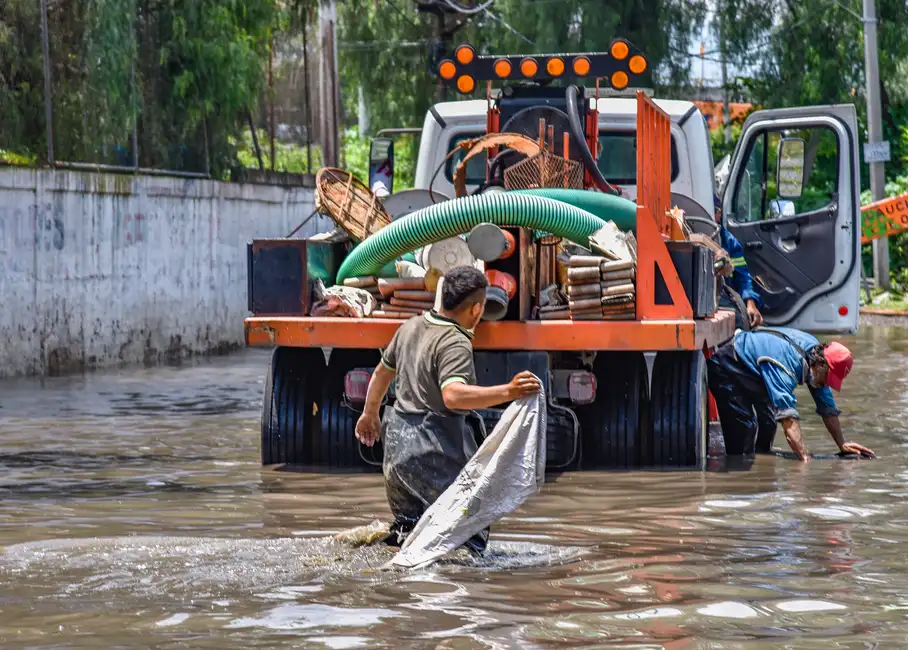
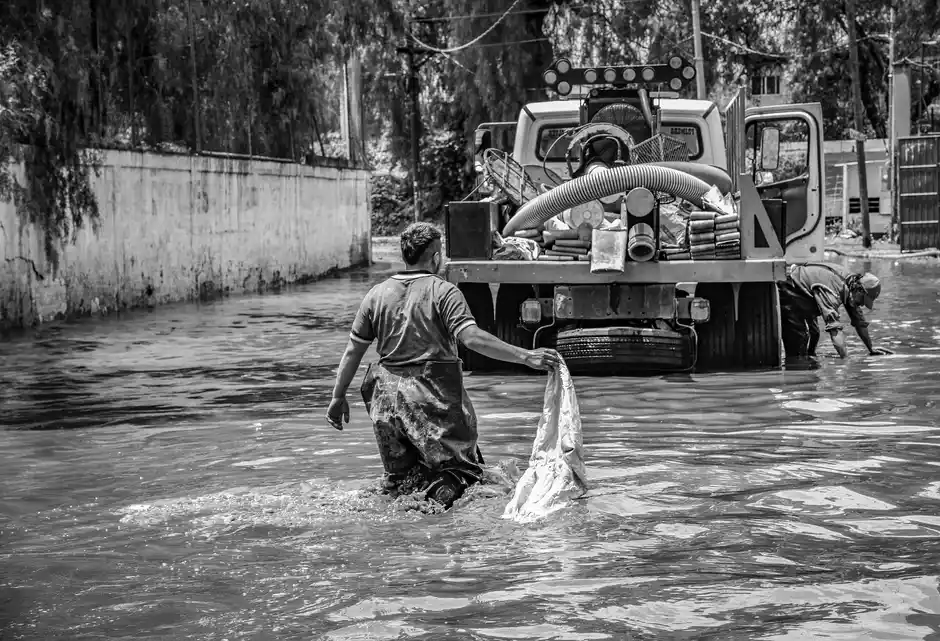
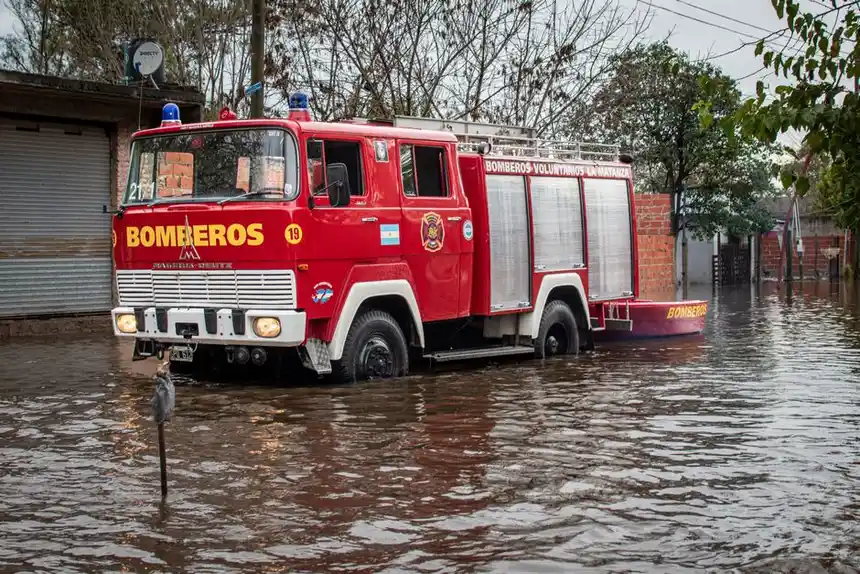
After intense rain or a plumbing failure, floodwater can enter lower-level rooms and shared building areas. We assess the water source and contamination risk before extraction, then protect nearby dry spaces during the work. Our team coordinates access in high-rise properties and brownstones, where stairs, elevators, and common corridors shape the safest equipment route.

View Details
Basement Water Removal

Basement Water Removal

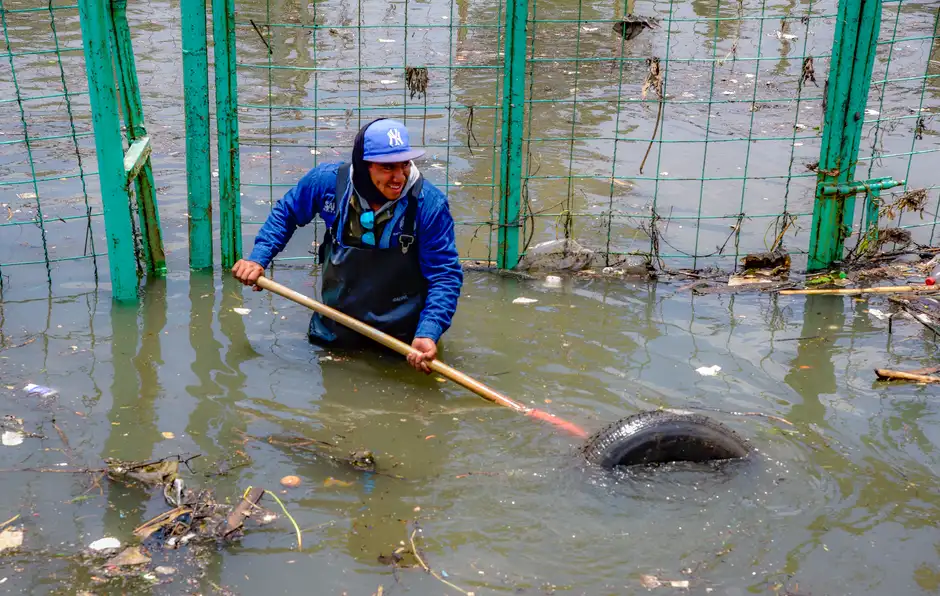
Basements in older New York buildings can take on water through floor drains, foundation openings, and overwhelmed drainage. We remove pooled water, check the perimeter and stored belongings, and identify moisture in adjacent materials. If a sump or drain is involved, we document the visible condition so you can address the source while extraction and drying proceed.

View Details
Crawl Space Water Removal

Crawl Space Water Removal

When a property has a crawl space, water can stay hidden below living areas and affect framing or insulation. We plan entry around the opening and available clearance, extract accessible water, and inspect reachable materials for dampness. In tight spaces, equipment choice and safe access matter; we keep the work focused and report any areas that need further repair.

View Details
Sewage Water Extraction

Sewage Water Extraction

A sewage backup calls for controlled removal, protective equipment, and separation from clean areas. We identify the affected zone, keep foot traffic out, extract contaminated water, and handle impacted surfaces with appropriate cleaning procedures. In shared buildings, we coordinate access with the responsible contact and take care not to spread contamination through halls or adjoining units.

View Details
Storm and Rainwater Removal

Storm and Rainwater Removal

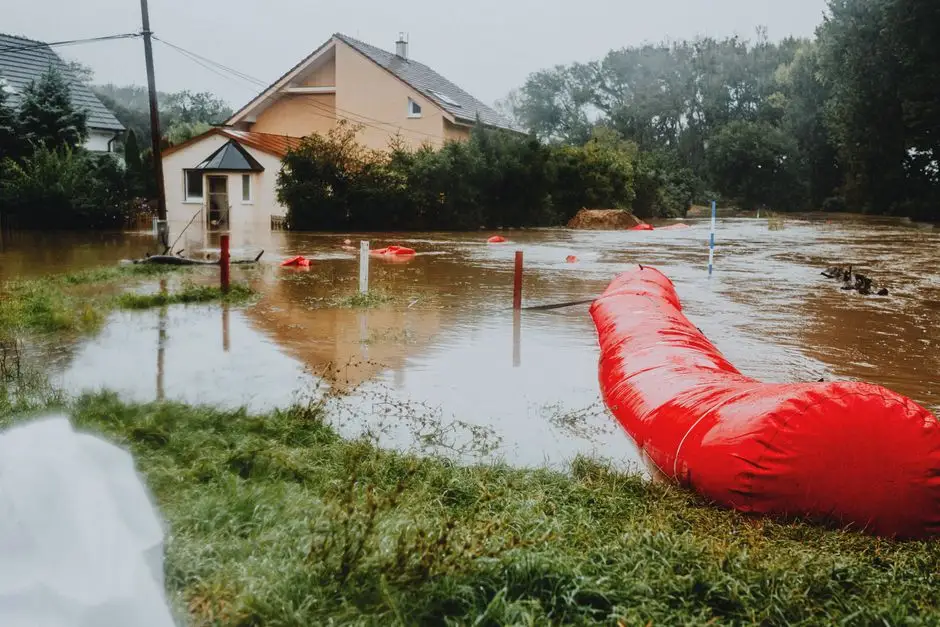
Heavy rainfall can overwhelm older drainage and basement systems, leaving water at entry points or across lower floors. We remove stormwater, check where it traveled, and assess the materials that need drying. For properties near low-lying areas, we plan for wet equipment routes and keep extracted water away from unaffected rooms as the work moves forward.

View Details
Burst Pipe Water Extraction

Burst Pipe Water Extraction

A burst pipe can wet multiple apartments before the source is isolated, particularly where plumbing runs through shared walls or ceilings. Once the leak is controlled, we extract water from floors and affected cavities that are accessible, then map damp areas. Our team coordinates with building staff so the extraction plan follows the shutoff and repair sequence.

View Details
Frozen Pipe Water Damage Extraction

Frozen Pipe Water Damage Extraction

Cold snaps can expose vulnerable plumbing in exterior walls, utility rooms, and poorly heated spaces. If a frozen line fails, we remove water from the affected room and nearby materials after the source is secured. We also check behind visible wet areas because water can travel along framing and finish layers before appearing at a ceiling or baseboard.

View Details
Emergency Water Extraction in New York
Service · #1

Emergency Water Extraction in New York


Water Extraction in New York is critical when a pipe failure, appliance leak, or sudden flood puts a property at risk. New York Water Extraction Pros responds across Manhattan, Queens, and the Bronx, where dense buildings and shared walls can let water spread quickly. Our team assesses the source, removes water, and starts drying promptly, helping protect apartments, brownstones, and commercial spaces from worsening moisture damage.

Rapid Arrival And Assessment

A fast response begins with locating the water source and identifying affected rooms, floors, and building materials. As a New York water extraction company, we coordinate access with residents, supers, and property managers in walk-ups and high-rises. Technicians map visible water and check adjoining areas so the extraction plan addresses hidden migration as well as the obvious pooling.

Powerful Water Removal

Truck-mounted and portable extraction equipment can handle different property layouts, from narrow Harlem brownstone basements to busy Midtown offices. Our water extraction services in New York focus on removing standing water before it seeps deeper into flooring, wall cavities, or stored belongings. Crews select equipment based on the volume, material, and access conditions at the site.

Drying With Clear Monitoring

After extraction, technicians place air movers and dehumidifiers where measurements show they are needed. Cold-weather leaks and humid summer conditions in New York can both complicate drying, especially in older buildings with plaster and layered floors. We monitor moisture levels during the process, adjust equipment as conditions change, and communicate findings to owners or building representatives.

  • Inspect affected rooms and document visible water migration.
  • Extract standing water from floors, carpets, and accessible cavities.
  • Position air movers and dehumidifiers for controlled drying.
  • Record moisture readings and provide a clear service summary.

24/7 Water Removal in New York


24/7 water removal in New York helps limit damage when leaks and overflows happen outside regular business hours. New York Water Extraction Pros takes urgent calls across Brooklyn, Manhattan, and nearby neighborhoods, including apartment buildings where water can travel between units. We assess the situation, guide you through immediate safety steps, and dispatch equipment to remove water and begin drying without waiting for the next workday.

  1. 01

    After-Hours Dispatch Coverage

    A leak discovered at midnight or before a winter commute needs a practical response, not a voicemail. Our 24/7 Water Extraction company in New York, New York can arrange dispatch for residential and commercial emergencies. When crews arrive, they confirm access, identify the water source if safe, and prioritize areas where ongoing flow threatens neighboring units or essential equipment.

  2. 02

    Careful Extraction In Buildings

    New York properties vary from prewar co-ops with narrow service corridors to newer towers with extensive common areas. Technicians bring portable extraction equipment when elevators, loading rules, or limited parking affect setup. We remove water from affected surfaces and coordinate with building staff to reduce disruption, while keeping residents informed about the work underway.

  3. 03

    Drying Beyond The First Visit

    Removing visible water is only the first step; damp subfloors and wall edges may need continued attention. We check materials after extraction, place drying equipment where measurements indicate, and explain what follow-up monitoring involves. This approach is useful after overnight incidents in Queens homes, where closed rooms and winter heating can leave hidden moisture behind.

  • Answer urgent calls and coordinate dispatch at any hour.
  • Assess water sources, affected spaces, and immediate safety concerns.
  • Extract pooled water using equipment suited to building access.
  • Arrange drying equipment and explain follow-up monitoring needs.
24/7 Water Removal in New York

02 / 10

Service

5+ YEARS · NEW YORK

Standing Water Removal in New York

Standing water removal in New York can protect floors, furnishings, and building materials when a leak or overflow leaves pooling behind. New York Water Extraction Pros serves homes and businesses from the Upper West Side to Staten Island. Our technicians measure the affected area, identify suitable extraction methods, and remove water carefully, with attention to the tight layouts and shared building systems common throughout the city.

Locating Water Across Rooms

Water may collect in low spots, beneath furniture, or beyond a doorway before it becomes obvious. We inspect connected rooms and transitions, including tiled kitchens and hardwood living areas in Brooklyn apartments. For a local floodwater removal service in New York, a careful first survey helps determine where pooling remains and which surfaces need immediate attention.

Extraction For Different Surfaces

Technicians select pumps, wet vacuums, or weighted extraction tools according to water depth and floor type. This helps address shallow puddles on tile as well as heavier accumulation in carpeted rooms. In older Manhattan buildings, careful equipment placement also matters in narrow hallways and stairwells, where hoses and movement must not obstruct residents.

Reducing Residual Moisture

Once pooled water is removed, moisture checks help determine whether flooring, baseboards, or nearby walls remain damp. Our water damage drying service in New York uses targeted air movement and dehumidification suited to the room and season. Technicians track changing readings and explain when materials appear dry enough for the next stage of restoration.

  • Map pooled water in rooms, hallways, and adjoining spaces.
  • Extract water from tile, carpet, and accessible floor surfaces.
  • Check baseboards and nearby walls for residual moisture.
  • Set drying equipment according to measured room conditions.
Flood Water Extraction in New York

Flood Water Extraction in New York


Flood water extraction in New York addresses water intrusion after intense rain, sewer backups, or building system failures. New York Water Extraction Pros works throughout Lower Manhattan, Red Hook, and other flood-prone areas, where heavy storms can overwhelm drains and affect below-grade spaces. We assess water conditions, remove affected contents where practical, and begin extraction with a plan suited to the property and the extent of flooding.

Evaluate floodwater depth, source, and affected building levels.

Promise

“Floodwater can affect multiple levels and may carry contaminants, so crews first evaluate the source and affected surfaces. Our flood cleanup in New York, New York considers basements, ground-floor retail, and shared …”

— New York customer
Assessing Flood-Affected Spaces +

Floodwater can affect multiple levels and may carry contaminants, so crews first evaluate the source and affected surfaces. Our flood cleanup in New York, New York considers basements, ground-floor retail, and shared building areas. Technicians identify access and safety concerns before moving equipment, then explain the extraction sequence to occupants or property managers.

Removing Water And Debris +

Pumps and extraction tools are selected based on the depth and spread of floodwater. In areas such as Red Hook, where storm impacts can reach basement storage and utility rooms, crews focus on safe access and efficient removal. We separate salvageable belongings from items that should not be returned to wet spaces during cleanup.

Planning The Drying Phase +

After extraction, porous materials and concealed cavities may retain moisture even when floors appear clear. New York water damage restoration in New York can include moisture mapping, drying equipment, and periodic checks to guide the next steps. We explain observations and equipment placement so owners understand how the affected areas are being managed.

  • Evaluate floodwater depth, source, and affected building levels.
  • Pump and extract water from basements and ground-floor spaces.
  • Identify contents requiring separation from wet materials.
  • Document moisture conditions and outline drying priorities.
Basement Water Removal in New York
Service · #5

Basement Water Removal in New York


Basement water removal in New York helps address seepage, plumbing leaks, and stormwater in below-grade rooms. New York Water Extraction Pros serves homes and multifamily properties in Queens, the Bronx, and Staten Island, where older foundations and heavy rain can contribute to damp basements. Our team removes accessible water, checks affected materials, and plans drying around the room's layout, contents, and ventilation.

Finding The Water Entry

Basement water can enter through foundation openings, window wells, floor drains, or failed plumbing. Technicians inspect visible pathways and note whether water appears after rainfall or alongside a fixture problem. Our basement water removal and drying in New York, New York starts with understanding these conditions, helping owners distinguish active pooling from lingering dampness.

Clearing Below-Grade Rooms

Low ceilings, stored belongings, and narrow stair access can make basement extraction more involved than open-floor cleanup. We position portable pumps and vacuums to remove water while working around utilities and remaining contents. In a Bronx row house or Queens cellar, the crew adapts its equipment plan to the building's access and the amount of water present.

Drying Walls And Flooring

Concrete, masonry, and finished basement surfaces respond differently to drying, so measurements guide equipment placement. We use air movement and dehumidification where appropriate, while checking wall edges and stored materials for residual moisture. New York's humid summer air and cold-season temperature swings can affect drying conditions, making follow-up readings important.

  • Inspect foundation edges, drains, window wells, and plumbing areas.
  • Extract pooled water from cellar floors and storage spaces.
  • Check accessible walls, flooring, and contents for dampness.
  • Position drying equipment with basement access and ventilation in mind.

Crawl Space Water Removal in New York


Crawl space water removal in New York addresses hidden pooling beneath homes where moisture can affect framing and indoor conditions. New York Water Extraction Pros helps properties in Staten Island, Queens, and Brooklyn, including older houses with limited underfloor access. Our technicians assess entry points and clearance, remove water with suitable equipment, and check accessible surfaces so damp conditions do not go unnoticed after rain or plumbing failures.

  1. 01

    Inspecting Confined Access Areas

    Crawl spaces often have low clearance, exposed pipes, and uneven ground that require careful assessment before work begins. We determine safe access and locate visible pooling, wet insulation, or drainage concerns. Homeowners looking for affordable water extraction services in New York, New York receive a site-specific scope based on the space and its condition.

  2. 02

    Extracting Water Below Homes

    Portable pumps and low-profile extraction tools can remove standing water where larger equipment cannot fit. Crews work methodically around supports and service lines in Staten Island and Queens homes, avoiding unnecessary disturbance to accessible materials. The extraction approach depends on water depth, the route to the access hatch, and whether water continues entering the space.

  3. 03

    Checking Moisture And Airflow

    After water removal, technicians check reachable framing and surfaces for dampness and consider airflow through the crawl space. In humid New York summers, trapped moisture may linger beneath a home, while winter drafts can change conditions. We document observations and recommend appropriate drying measures based on readings and the space's accessible features.

  • Assess crawl space clearance, access points, and visible pooling.
  • Extract standing water with equipment suited to confined spaces.
  • Check accessible framing, insulation, and service lines for dampness.
  • Document conditions and identify practical drying considerations.
Crawl Space Water Removal in New York

06 / 10

Service

5+ YEARS · NEW YORK

Sewage Water Extraction in New York

Sewage water extraction in New York requires prompt attention because contaminated water can affect floors, belongings, and shared spaces. New York Water Extraction Pros responds to backup incidents in Manhattan, Brooklyn, and the Bronx, including older buildings with aging drain lines. Our crew assesses the affected area, uses protective procedures, and removes contaminated water while coordinating access with occupants and building representatives.

Containing Affected Areas

A sewage backup may spread from a floor drain into a bathroom, laundry area, or basement storage room. Technicians identify the visible boundary and limit unnecessary foot traffic before extraction begins. For water damage cleanup for homes in New York, New York, clear communication helps residents understand which areas should remain undisturbed during the initial response.

Removing Contaminated Water

Crews use extraction equipment and protective supplies appropriate to the reported conditions and affected materials. In prewar Brooklyn apartments and older Bronx properties, narrow access and shared corridors can influence how equipment is moved and staged. We remove contaminated water from accessible surfaces and separate affected contents for assessment.

Cleaning And Moisture Checks

Once extraction is complete, technicians assess surfaces for remaining moisture and identify areas needing further cleaning or drying. We explain the condition of affected flooring and nearby materials, including any limitations in concealed spaces. A focused review helps property owners plan follow-up work and avoid returning belongings to areas that remain damp.

  • Identify affected rooms and establish practical access boundaries.
  • Extract contaminated water using appropriate protective procedures.
  • Separate impacted contents from unaffected household belongings.
  • Assess residual moisture and explain recommended follow-up steps.
Storm and Rainwater Removal in New York

Storm And Rainwater Removal in New York


Storm and rainwater removal in New York can help after cloudbursts, coastal storms, or prolonged rainfall push water indoors. New York Water Extraction Pros serves neighborhoods from Lower Manhattan to Jamaica, Queens, where basement entrances and street-level spaces can be vulnerable. We identify affected areas, extract water, and begin drying while accounting for building access, weather conditions, and the possibility of additional rain.

Inspect rainwater entry points, basement edges, and low areas.

Promise

“Intense rain can overwhelm drains and send water through window wells, entryways, or foundation gaps. Our emergency flood cleanup near me in New York response begins with assessing the active conditions and the safest…”

— New York customer
Responding To Heavy Rainfall +

Intense rain can overwhelm drains and send water through window wells, entryways, or foundation gaps. Our emergency flood cleanup near me in New York response begins with assessing the active conditions and the safest route into the property. Crews focus first on spaces where water threatens electrical equipment, stored goods, or connected living areas.

Managing Basement Water Entry +

Basements in older Queens homes and Manhattan buildings may collect rainwater at low points or near exterior walls. Technicians inspect visible entry paths, remove pooled water, and note where water continues to appear. This helps property owners understand the immediate cleanup needs and whether further attention to drainage or building maintenance may be appropriate.

Drying After The Storm +

Once rainwater is extracted, the team checks flooring and wall edges for moisture that remains after visible pooling disappears. Equipment placement takes account of indoor humidity, ventilation, and the forecast, since another storm can change site conditions. We record readings and explain the drying process to residents and property managers.

  • Inspect rainwater entry points, basement edges, and low areas.
  • Extract stormwater from affected rooms and accessible floor surfaces.
  • Check walls and flooring for moisture after visible water removal.
  • Document conditions and account for changing weather during drying.
Burst Pipe Water Extraction in New York
Service · #9

Burst Pipe Water Extraction in New York


Burst pipe water extraction in New York helps limit damage when a supply line, radiator, or fixture releases water indoors. New York Water Extraction Pros assists residents and managers across Manhattan, Queens, and Brooklyn, where water can pass through ceilings and affect neighboring apartments. We locate the affected areas, extract pooled water, and coordinate drying with the building team once the leak has been stopped.

Tracing Water Through Units

A pipe failure in an upper-floor apartment can show up below, far from the original leak. Technicians inspect ceilings, walls, and connected rooms in coordination with residents or supers. Our emergency water removal in New York approach prioritizes areas with active pooling and checks adjoining spaces where water may have traveled through older building materials.

Removing Water From Interiors

After the plumbing source is controlled, extraction tools remove water from floors, carpets, and other accessible surfaces. Crews adapt to elevator schedules, narrow corridors, and building rules common in New York apartment blocks. They also keep affected contents organized so residents can distinguish items moved for access from materials that remain in place.

Checking Walls And Ceilings

Water from a burst line may remain inside plaster, drywall, or flooring after the room looks dry. Technicians use moisture checks to guide air movement and dehumidifier placement, then reassess readings as conditions change. In winter, radiator or pipe leaks can affect several connected rooms before occupants recognize how far water has spread.

  • Inspect rooms above and below the reported pipe failure.
  • Extract water from floors, carpets, and accessible surfaces.
  • Check ceilings, wall edges, and flooring for hidden moisture.
  • Coordinate drying access with residents and building representatives.

Frozen Pipe Water Damage Extraction in New York


Frozen pipe water damage extraction in New York is important after cold snaps cause plumbing lines to split and release water. New York Water Extraction Pros responds to winter incidents in Upper Manhattan, Queens, and the Bronx, including drafty buildings and homes with exposed pipes. We assess affected rooms, remove water after the source is controlled, and check materials for moisture that may remain beneath cold-weather damage.

  1. 01

    Assessing Winter Pipe Leaks

    When a frozen line thaws, water may spread through cabinets, ceilings, and flooring before the leak is discovered. Technicians inspect the reported area and nearby rooms, noting whether heating is available and whether the plumbing source has been shut off. Our water damage drying service in New York is tailored to the moisture readings and indoor conditions.

  2. 02

    Extracting Water From Rooms

    Extraction crews remove standing water from living spaces, utility areas, and basements while working around winter access constraints. In Queens and the Bronx, cold weather can affect parking, entry routes, and equipment setup, so technicians plan for the property's layout. Removing water promptly helps reduce the time wet materials remain exposed.

  3. 03

    Monitoring Cold-Weather Drying

    Cold indoor temperatures can slow evaporation, while heating systems may create uneven drying across rooms. Technicians place air movers and dehumidifiers according to site conditions, then check affected materials again as drying progresses. We explain the readings to owners and building managers, including areas that may need additional inspection after surfaces become accessible.

  • Inspect pipe-adjacent rooms and areas water may have reached.
  • Extract pooled water after the plumbing source is controlled.
  • Check flooring, cabinets, and ceilings for winter leak moisture.
  • Monitor drying conditions affected by indoor temperature and airflow.
Frozen Pipe Water Damage Extraction in New York

10 / 10

Service

Residential Water Extraction

Residential Water Extraction for New York Homes

Residential water extraction in New York has to work around people living in the affected space, neighbors sharing walls, and building rules that govern access. Our calls include apartment supply-line leaks, bathroom overflows, stormwater in lower-level rooms, and basement flooding in brownstones. We remove water from accessible floors and inspect adjoining materials, then set drying equipment where it will not block daily movement. For homes in high-rise properties, we coordinate with building staff on service entrances and elevator use. For a house or brownstone, we plan around stairs, stored belongings, and limited room to stage equipment. We explain what is wet, what has been extracted, and what readings need follow-up, so your next repair step is clear.

  • Apartment leak water removal — A leak in a bathroom, kitchen, or appliance line can spread into the unit below. We remove pooled water, check nearby flooring and wall edges, and coordinate with building staff when another apartment may be affected. In New York, confirming the source and access route helps limit disruption while extraction proceeds.
  • Brownstone basement extraction — Basement flooding can reach storage, laundry areas, and utility spaces in brownstones. We pump or vacuum standing water based on depth, then check low points and surrounding materials for retained moisture. Our New York crew keeps the work path clear and identifies which belongings should be moved before drying equipment is placed.
  • Sewage backup cleanup — A sewage backup requires controlled access and separation from clean household areas. We remove contaminated water, protect the route through the home, and clean affected surfaces using appropriate procedures. In New York apartments, we also coordinate with the building contact when shared drains or connected units are involved.
  • Stormwater entry response — Rainwater entering a ground-floor or basement room can soak flooring and stored items quickly. We remove standing water, check entry-adjacent surfaces, and evaluate how far moisture has traveled. In New York, older drainage systems and intense rainfall make a careful lower-level inspection important after water is gone.
Commercial Water Extraction

Commercial Water Extraction Across New York

Commercial water extraction in New York must account for the people using the building and the business hours that matter to the operator. Offices, retail spaces, hotels, restaurants, and managed properties can face leaks from plumbing, equipment, or stormwater entry. We coordinate access with the site contact, identify affected areas, and plan equipment placement to keep unaffected routes usable where conditions allow. If you need water damage cleanup for homes in New York, New York, our residential team handles that separately; commercial calls focus on protecting operations and communicating the work sequence to the person responsible for the site. We document affected rooms and check moisture conditions as drying progresses.

Office buildingsRetail propertiesHotelsRestaurantsProperty management

Common New York Water Problems

New York's mix of older plumbing, shared building systems, dense housing, and intense storms creates distinct extraction challenges. Heavy rainfall can overwhelm older drainage and basement systems, while a pipe leak can travel between apartments before it is found. Flood cleanup in New York, New York must start by identifying whether water is clean, drain-related, or storm-driven. We check access and affected materials as carefully as the visible puddle, then match extraction and drying steps to the water source and building layout.

Basement flooding after heavy rainfall overwhelms older drainage

Heavy rainfall can exceed the capacity of older drainage and basement systems, allowing water to collect at low points or enter through vulnerable openings. Lower-level rooms often hold stored belongings and porous materials that absorb water quickly. Stormwater can also leave sediment that requires careful cleanup.

Older plumbing leaks spread through shared walls and ceilings

Older plumbing and shared building systems can complicate leak response because a source in one unit may affect another. Water can follow framing, pipe chases, and floor assemblies before a stain appears. In prewar buildings, concealed routes make it important to check beyond the first visible mark.

Frozen pipe failures wet apartments during cold winter nights

Cold conditions can affect pipes in exterior walls, unheated spaces, and service areas. When a frozen pipe fails, water may run into a room or down through multiple floors before the shutoff is found. Shared lines add coordination steps for building staff and affected occupants.

Stormwater enters low-lying properties during intense coastal storms

Coastal storm surge and intense storms can contribute to flooding in low-lying areas. Water may enter through ground-level openings or affect below-grade spaces, where it can remain after outside conditions improve. The source and water condition determine appropriate handling and cleanup.

When to Call for Water Extraction

Call for Water Extraction in New York when you see standing water, a ceiling stain that is growing, or flooring that feels soft after a leak. Water can move behind baseboards and into shared walls before the surface looks saturated, especially in older apartment buildings. If water is coming from a drain or sewage backup, keep people and pets out of the area. For water damage cleanup for homes in New York, New York, we check both the source area and connected materials so dampness is not left to spread unnoticed.

  • Water pooling around a floor drain

    A puddle near a drain can signal backup, failed drainage, or stormwater entering a lower level. If the water is dirty or has an odor, treat it as contaminated and keep foot traffic away. Extraction should follow a water-category assessment, not a standard household vacuum.

  • Ceiling stain spreading after a leak

    A spreading stain means water is still moving or remains above the finish. In a multi-unit building, the source may be an upstairs fixture or shared pipe. Contact the building manager and have the wet area checked before the ceiling material weakens further.

  • Floorboards lifting or feeling soft

    Raised edges, soft spots, or a spongy feel can indicate moisture under flooring or in the subfloor. The surface may look nearly dry while water remains trapped beneath it. Prompt extraction and moisture checks help determine whether drying can work or materials need repair.

  • Musty odor after water was removed

    A persistent musty smell after visible water is gone can point to damp materials behind trim, under flooring, or inside a wall cavity. Do not cover the area with fresh paint or flooring. A moisture inspection can locate remaining wet materials and guide the next step.

  • Water returning after a basement pump-out

    Water that returns after removal may indicate ongoing inflow, drainage trouble, or a source that has not been controlled. Repeatedly vacuuming the same area will not resolve the cause. We check the water level, entry points, and affected materials to plan a more complete response.

New York Landmarks and Access

New York addresses are easier to coordinate when the building entrance, block, and nearest recognizable landmark are clear. We use landmarks for orientation only, then confirm the exact street address and service entrance with you. That matters when a crew is carrying equipment through a busy area or meeting a building contact at a designated door. Tell us whether loading access, a service elevator, or a doorman is available so we can plan the final approach.

Central Park

Central Park is a major east-west orientation reference between the Upper West Side and Upper East Side. Sharing which side of the park and the nearest cross street helps clarify an address before the crew approaches.

Grand Central Terminal

Grand Central Terminal is a widely recognized transit landmark in Midtown Manhattan. It can help distinguish nearby streets and meeting points when confirming an address, though the exact building entrance remains the key access detail.

Times Square

Times Square is a prominent Midtown orientation point near major streets and transit connections. Providing the property address and entrance instructions alongside this landmark helps avoid confusion in a dense, active area.

The Metropolitan Museum of Art

The Metropolitan Museum of Art is a recognizable landmark on the Upper East Side along Fifth Avenue. It can help orient a caller to the surrounding neighborhood while the exact street and building access are confirmed.

Coverage across New York & Queens County

112291122811226112251122411222112211122011385101691016810167101651016210282102801004010044111091110211103111061110411697

Plus surrounding Queens County neighborhoods, with same-day routing on most appointments.

New York Seasonal Water Risks

As November gives way to winter, frozen pipe failures and overnight leaks become immediate concerns in New York apartments and service spaces. The rest of the year brings different risks: spring rain can load older drainage, summer storms can send water into lower levels, and fall rainfall can expose weak entry points before temperatures drop. If you need emergency flood cleanup near me in New York, tell us whether water is still entering and how deep it is. That information helps us prepare the right extraction approach.

Spring

Spring rainfall can test older basement drainage and reveal water entry at floor joints or low openings. Meltwater and repeated wet days can leave lower-level materials damp even after visible pooling is gone. Check stored items and walls after water is removed.

Tip: Keep floor drains and access paths clear, and move stored belongings off the floor where practical. If water returns after pumping, record where it reappears and call for an assessment.

Summer

Intense summer storms can bring sudden rainwater intrusion, while plumbing leaks and appliance failures continue year-round. A short period of heavy rain may leave water in a basement or ground-floor room. Humid conditions also make thorough drying important.

Tip: After a storm, check lower-level rooms and utility areas without entering standing water near electrical equipment. Report the water source and depth so the extraction plan matches the conditions.

Fall

Fall rain can expose drainage weaknesses before winter temperatures arrive. Leaves and debris near an entry point may contribute to water management problems, while wet basements can go unnoticed behind stored items. A small leak now can become harder to manage during a cold snap.

Tip: Inspect basement corners, floor drains, and plumbing areas before colder weather. Move boxes away from damp walls and address active leaks promptly rather than waiting for a larger pool.

Winter

Winter brings the risk of frozen pipe failures, especially in vulnerable exterior walls and unheated spaces. A burst line can release water overnight and affect units below. Heating interruptions and closed rooms can make early signs harder to spot.

Tip: Know where the building shutoff is and who can access it after hours. If a line fails, stay clear of electrical hazards, report the affected floors, and arrange extraction once the source is controlled.

Water Extraction in New York FAQs

Real answers from our team for the questions we hear most often before a job starts.

Who provides Water Extraction in New York, New York?
New York Water Extraction Pros provides emergency extraction, standing-water removal, and drying coordination across New York. Call +18668968166 for 24/7 service and share your address, water source, floor, and access details. Our team handles apartment leaks, basement flooding, stormwater intrusion, and sewage-related losses. For a 24/7 Water Extraction company in New York, New York, the first step is confirming that the source is controlled and identifying immediate safety concerns.
How much does water removal cost in New York?
A small, accessible clean-water extraction job commonly runs about $250-$700, while multi-room losses with drying can range from $1,000-$4,000 or more. Typical 2026 pricing depends on water category, volume, access, and how long materials need monitoring. Sewage, high-rise equipment access, or a flooded basement can increase labor and equipment needs. We explain the price before work proceeds and plan around the actual affected area.
Is emergency flood cleanup available in New York?
Yes, emergency flood cleanup is available 24/7 in New York for active leaks, stormwater, and standing water. Call +18668968166 and tell us whether water is still entering, how deep it is, and whether the source is a drain or supply line. We prepare for emergency flood cleanup near me in New York by planning equipment around the water condition and building access. Stay out of water near electrical hazards.
How quickly can a water damage restoration company reach New York?
We take emergency calls 24/7 and confirm the New York address, access route, and water conditions during the call. Arrival time varies with the active call load, traffic, building access, and weather, so we do not promise an unsupported fixed minute count. Tell us if the property is a walk-up, high-rise, or basement-level job; those details help us plan the route and equipment before dispatch.
What equipment is used for water damage drying service in New York?
We choose extraction pumps, wet vacuums, air movers, dehumidifiers, and moisture measurement tools based on the room and materials. A shallow spill on tile does not need the same setup as water beneath flooring or inside a wall. For a water damage drying service in New York, we track readings and adjust equipment as the materials dry, rather than relying on appearance alone.

Call for Water Extraction in New York

If water is spreading through your New York property, call +18668968166 for 24/7 emergency response coordination. Tell us the address, water source, affected floor, and building access details; we will help organize the extraction plan around the conditions on site. Our team follows ANSI/IICRC S500 restoration guidance and checks moisture beyond the visible puddle. Call now to get water removal moving.

Call Now Send a Message

Contact Our Team

Call New York Water Extraction Pros at +1 866-896-8166 any time, day or night, for help with flooding, leaks, or standing water. Tell us your community, the affected rooms, and whether the water is still coming in. We will connect you with an independent company serving your area and help move the response forward.

Or call us right now at +18668968166 — we answer.

New York Water Extraction Pros


  • Phone

    +18668968166
  • Address

    New York

  • Hours

    Mon–Fri: 7AM – 7PM
    Sat: 8AM – 4PM
    Sun: Emergency Only
    24/7 Emergency Available

Call +18668968166 Get Quote
Call Quote