
Logo
Get Estimate

Storm and Rainwater Removal in New York

We pump out stormwater and dry your home thoroughly.


Storm and Rainwater Removal in New York gets standing water out of homes, basements, and crawl spaces after severe rain. Our team helps homeowners, landlords, and property managers limit damage from stormwater intrusion, backed-up drains, and overwhelmed sump systems. We inspect affected materials, remove water with suitable pumps, and set drying equipment to protect the structure and help you get rooms back into use.

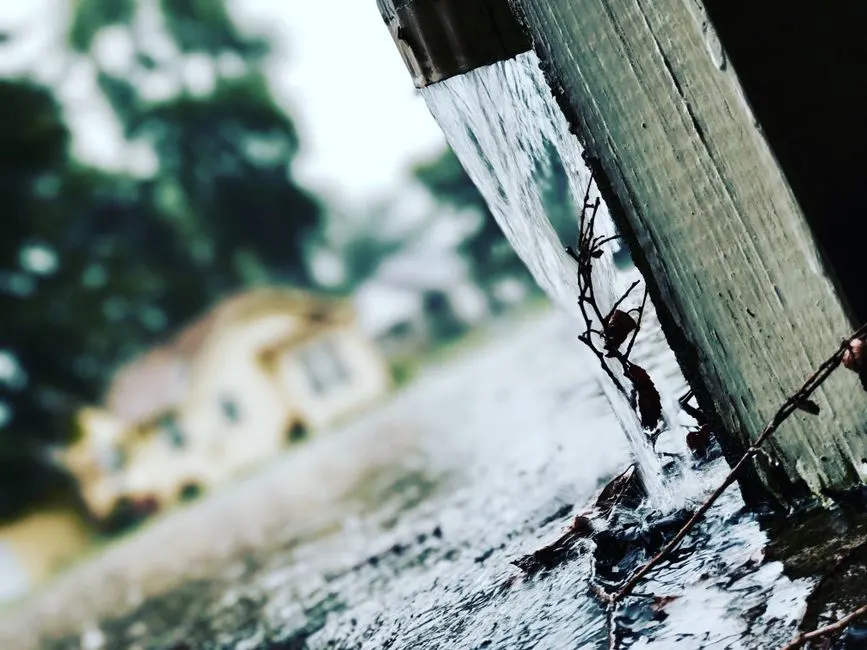
Close-up of rainwater flowing from a gutter during a storm, capturing the essence of rainy weather.
Licensed Licensed & Bonded
Fully Insured Insured & Bonded
24/7 Emergency Same-Day Response
Warranty Backed Workmanship Guaranteed

What Storm Cleanup Covers

Storm and rainwater removal covers safe inspection, bulk-water extraction, moisture checks, and drying of affected areas. We clean appropriate hard surfaces and use protective equipment suited to the conditions. The exact work depends on water depth, contamination, and material damage; structural repairs, plumbing repairs, and replacement of permanently damaged finishes are separate work, identified after the affected area is assessed.

Water Source Assessment

We check where rainwater entered, whether it is still flowing, and whether a drain or sewer contributed. Identifying the source helps prevent pumping water while it continues to return. We also note electrical hazards and access limits before moving equipment into the affected area.
Bulk Water Extraction

We select a truck-mounted water extraction unit, submersible pump, or portable extraction pump according to water depth and access. After bulk removal, a wet/dry vacuum and extraction pads help collect water along edges, around equipment, and in shallow floor depressions.

Moisture Mapping

Our crew checks visible surfaces and likely water paths with a moisture meter, documenting which areas are wet. Where a wall or floor appears dry but conditions suggest otherwise, thermal imaging can help identify locations for closer inspection. This guides equipment placement and drying decisions.

Cleaning and Drying

We remove loose debris, clean suitable surfaces, and set air movers and a commercial dehumidifier to dry affected materials. If the water source or work conditions call for it, HEPA air scrubber filtration and containment help manage airborne dust during restoration activity.

Progress Rechecks

We return to check readings and reposition equipment as the structure dries. You will know which areas have reached appropriate drying conditions and which require further attention. That record helps coordinate flooring, drywall, or other repair work after the extraction and drying phase.

Storm and Rainwater Removal in New York


Storm and Rainwater Removal in New York is an emergency cleanup service that extracts rain-driven floodwater and dries affected building materials after a storm. We locate the water's path, assess depth and contamination, and select pumps and extraction equipment for the conditions. A submersible pump moves deeper water; a portable extraction pump and wet/dry vacuum handle shallow areas and edges. We then check floors, walls, and concealed cavities with a moisture meter, because a dry-looking surface can hide wet building materials behind walls.

New York properties face different storm patterns: coastal downpours can push water toward low-lying foundations, while winter thaw and frozen pipe failures add water to saturated basements. A storm and rainwater removal service New York residents call after flooding addresses the water source and the affected rooms together. If you are wondering who removes storm water from a flooded home in New York, our crew pumps out accessible water, documents moisture, and sets a drying plan suited to the building.

What Happens During Cleanup

Storm and rainwater removal follows a practical sequence: make the area safe, remove water, clean affected surfaces, and dry the structure. We explain what we find as work progresses, so you know which rooms are being treated and why equipment is running. Small pump-outs can take hours; multi-room drying often continues over several days.

01

Schedule

Call or book online — a real human picks up and confirms a 2-hour arrival window.

02

Diagnose

Licensed tech inspects on-site, then walks you through the cause and your options.

03

Fix

The job is completed to code and done right the first time — no shortcuts, no surprises.

04

Guarantee

Every job backed by a written workmanship warranty — and we stand behind it.

Equipment and Drying Methods

Tools & Equipment

Truck-mounted water extraction unit

We use this high-capacity equipment to remove bulk water from accessible rooms, reducing the volume left for detailed extraction and drying.

Portable extraction pump

A portable extraction pump fits smaller rooms and restricted access where a truck-mounted hose or larger equipment cannot reach the water effectively.

Moisture meter

We compare readings across wet and unaffected materials to track moisture and guide equipment placement, rather than relying on appearance alone.

Commercial dehumidifier

This equipment removes moisture from indoor air as materials release water during drying, supporting controlled progress alongside properly positioned air movers.

HEPA air scrubber

A HEPA air scrubber filters airborne particles during cleanup or material handling when site conditions call for additional air management.

Methods & Standards

ANSI/IICRC S500 restoration practice

We use the ANSI/IICRC S500 Standard for Professional Water Damage Restoration as a framework for assessment, water removal, drying, and documentation. The work starts by identifying the water category and affected materials, then uses measured conditions to guide extraction and drying decisions. This supports a consistent process across different buildings and storm events.

Moisture mapping and verification

We record readings in affected areas and compare them with nearby materials that were not exposed. Rechecks show whether air movers and dehumidifiers are doing useful work or need repositioning. If readings suggest moisture behind a finished surface, we investigate before assuming the wall is dry.

Controlled airflow and dehumidification

Air movers direct circulation across wet materials while a dehumidifier removes moisture from the room air. We place equipment to address the affected area without blocking safe access, then adjust it as conditions change. This method supports drying after the visible standing water has been extracted.

Containment and surface cleaning

When cleanup conditions call for it, we use polyethylene containment sheeting to separate work areas and HEPA filter media to support air filtration. We clean appropriate surfaces with an antimicrobial cleaning solution and use protective coveralls and disposable protective gloves as the task requires. Contamination level determines the handling plan.

When to Call for Storm Cleanup

01

A sudden downpour pushes water through a basement window well and leaves carpet and lower walls wet.

What we do: We check the window well and nearby wall base, pump or extract standing water, and inspect adjacent rooms for water migration. Air movers and a dehumidifier are set according to moisture readings. We also identify whether debris or contaminated runoff entered with the rain.

→ Water is removed, affected materials are mapped, and you have a drying plan for the basement rather than a wet carpet hiding moisture.

02

A sump pump cannot keep pace with rain, and water begins spreading around a utility room.

What we do: Our team first checks safe access around electrical equipment, then removes water from the lowest accessible point. We inspect the floor perimeter and nearby stored items, and set drying equipment after extraction. If the pump has failed, we identify that source for repair.

→ The room is cleared of pooled water, the wet area is documented, and equipment placement supports controlled drying while the sump issue is addressed.

03

A storm drain backs up into a lower-level bathroom and water crosses into the hallway.

What we do: We determine whether the water may contain sewage before selecting protective gear and cleaning steps. The crew extracts the affected water, limits movement through clean areas, and checks flooring and wall edges. Contaminated water is handled differently from rainwater that entered through a foundation opening.

→ The affected route is identified and contained, and cleanup follows the water's contamination risk instead of treating every flood as ordinary rainwater.

04

Rain and winter thaw leave a crawl space damp, with water collecting beneath the access opening.

What we do: We inspect clearance and locate pooled water before choosing a pump that fits the space. After removal, we check accessible framing and insulation and arrange airflow for drying. If frozen pipe damage is also suspected, we separate that source from outside water intrusion.

→ Accessible standing water is removed, wet areas are identified, and you receive practical next steps for drying and any needed source repairs.

How Storm Cleanup Works in New York

Storm and Rainwater Removal in New York has to account for different buildings and weather across the state. Coastal communities can face intense rain and water collecting around low foundations, while inland homes may see rapid runoff during spring thaw or rain on frozen ground. Older basements often have stone, brick, or patched concrete walls; finished lower levels conceal wet drywall and insulation that need careful checking. We tailor New York storm flood cleanup and structural drying to the building, water source, and access rather than assuming every basement is alike. In Mount Vernon and Hicksville, a narrow stairway or utility-filled basement can determine which pump and hose setup will fit. Spring Valley properties may have finished lower levels where water travels beneath flooring, while Centereach and Plainview homes can require checks around window wells, sump systems, and crawl spaces. We follow local building and safety requirements for the work being performed and use the ANSI/IICRC S500 restoration framework. If rain is still entering, we prioritize safe extraction and source control before setting drying equipment. You will know what we found and which readings need follow-up.

Neighborhoods We Serve

  • Mount Vernon lower-level homes

    Tight basement stairs and finished rooms can limit pump access, so we plan hose routing and protect the path to the affected area.

  • Hicksville residential blocks

    Sump systems and window wells are common points to inspect after heavy rain, especially when water collects along the basement perimeter.

  • Spring Valley properties

    Finished lower levels need checks beyond the visible floor, since water can travel under flooring and into lower wall sections.

  • Centereach homes

    We check crawl spaces and low foundation openings when rainwater appears near the home but the basement floor looks mostly dry.

Local Conditions We Plan For

  • Heavy rainfall overloads foundation drainage and sump systems

    Water may enter through window wells, foundation joints, or a floor drain. We find the likely entry route, remove the pooled water, and inspect nearby materials so drying covers more than the center of the room.

  • Winter freeze and thaw leave saturated soil around foundations

    Frozen ground can slow drainage while thaw adds water near the building. We check for both rain intrusion and frozen pipe failures, since each source requires a different repair and cleanup response.

  • Older finished basements conceal wet materials

    Paneling, drywall, and flooring can hide moisture after surface water is removed. We use moisture readings to identify affected edges and explain where further inspection or material removal is needed before repairs.

Basement Window-Well Flood

Before

A heavy storm sent water through a basement window well, leaving about two inches of water across a 300-square-foot finished room. Carpet was saturated near the outside wall, and storage boxes sat directly on the floor. The room looked like one broad puddle, but the baseboard and adjacent closet were also wet.

After

We extracted the standing water, removed water from the carpet surface, and checked the wall edge and closet. Air movers and a dehumidifier ran while readings were monitored. The visible water was cleared in several hours, and drying continued over the following days until affected materials reached suitable conditions for repair planning.

Maintenance: Keep the window well clear of leaves and check its drain before the rainy season. Store boxes on shelving rather than directly on the basement floor, and inspect the wall after intense rain for new dampness.

Before

Several inches of rainwater collected around a utility room after the sump system could not keep up. Water covered roughly 180 square feet and reached the lower edge of stored supplies. The utility area had electrical equipment nearby, so entry and movement needed to be checked before pumping began.

After

After confirming a safe work path, we pumped out the pooled water and vacuumed shallow water at the floor edges. Moisture checks identified dampness near the utility wall, where we set air movers and a commercial dehumidifier. The room was cleared of standing water within a few hours, with monitored drying continuing afterward.

Maintenance: Have the sump and discharge route checked before the next rainy stretch, and keep the pit free of debris. Move stored supplies above floor level and avoid entering water near electrical equipment.

Before

Rainwater collected in a low crawl space after runoff reached the foundation. The access was narrow, the ground remained wet, and the homeowner could not see how far water had moved beneath the house. Dampness near framing and insulation raised concern even though the living-room floor looked dry.

After

We selected equipment for the limited clearance, removed accessible standing water, and checked reachable framing and insulation for moisture. Airflow was directed through the affected section, with follow-up readings used to track drying. The immediate pool was gone, and the homeowner had a clear picture of which areas required further attention.

Maintenance: Keep the crawl-space access clear and check the area after substantial rain or thaw. Address drainage concerns at the source, and do not cover damp framing or insulation before its condition has been checked.

Stop Stormwater Damage Spreading

Stormwater can move from a basement floor into closets, wall cavities, and stored belongings before the full extent is visible. We address the water first, then follow moisture into nearby materials. If you need Storm and Rainwater Removal after heavy rain in New York, a prompt inspection helps identify the source and set the right extraction and drying plan.

Problem

Rainwater pools around a basement drain after a downpour

Water can spread under stored items and soak flooring, baseboards, and lower drywall, leaving damp areas that are easy to miss.

Our Fix

We check whether the drain is flowing or backing up, then remove standing water with pumps or extraction equipment suited to the depth. After clearing the floor, we inspect the surrounding room and measure moisture at the wall base. If signs point to sewage, we change handling procedures rather than treating the water as clean runoff.

Problem

A failed sump leaves water across the lowest room

A powered-off or overwhelmed sump can allow water to collect quickly, damaging stored goods and reaching finished walls before anyone notices.

Our Fix

We remove water from the low point, check nearby outlets and equipment for safety, and map how far moisture has traveled. Our team dries the floor and affected wall edges, then helps you identify whether the sump or discharge line needs a separate repair. We do not restart unsafe equipment in a flooded area.

Problem

Stormwater reaches a crawl space beneath the house

Pooled water in a confined space can keep framing and insulation damp, while the narrow opening makes ordinary basement equipment difficult to use.

Our Fix

We assess clearance and access, then bring a pump that fits the crawl space conditions. We remove accessible standing water and inspect reachable materials for dampness. Drying equipment is placed to move air through the affected area, and we explain whether further access or repair work is needed.

Problem

Water appears behind finished walls after heavy rain

Hidden moisture can remain after the floor looks clean, leaving drywall, insulation, and framing wet without obvious surface evidence.

Our Fix

We trace likely entry routes and compare moisture readings across affected and unaffected areas. Thermal imaging can point to locations for closer checks, while measured readings guide drying. If materials remain wet, we explain the options before they are closed up or covered by new finishes.

Get Your Property Dry Faster

Get Your Property Dry Faster

A fast, organized response reduces the time water sits against floors, framing, and stored belongings. We focus first on safe access and extraction, then on the moisture that remains. You get a clear sequence of work, practical updates, and equipment matched to the affected area rather than a one-size-fits-all setup.

  • Remove Standing Water

    We use a truck-mounted water extraction unit for accessible large areas and a submersible pump where water is deeper. Removing water promptly limits prolonged contact with flooring and stored items. For shallow puddles, water-absorbent extraction pads and a wet/dry vacuum reach edges where larger equipment cannot fit.

  • Target Hidden Moisture

    Water can wick into baseboards, wall cavities, and subfloor seams after the visible puddle is gone. We check affected areas with a moisture meter and thermal imaging camera, then position air movers where readings show dampness. That helps you avoid closing up wet materials before they have dried.

  • Reduce Secondary Damage

    Standing water and persistent dampness can damage finishes and create conditions for microbial growth. Our storm flood cleanup and drying New York work includes removal of unsalvageable debris, cleaning of affected hard surfaces, and controlled drying. HEPA air scrubbers are used where airborne dust or restoration work calls for filtration.

  • Restore Room Use

    A basement used for laundry, storage, or living space needs a measured return to service, not just a quick pump-out. We record moisture readings, move equipment as areas dry, and explain which materials are ready for repair. You can plan flooring or drywall work from documented conditions instead of guesswork.

Standards Behind Our Work

Licensed & Certified

  • Water Damage Restoration Technician (WRT) — issued by Institute of Inspection, Cleaning and Restoration Certification
  • Applied Structural Drying (ASD) — issued by Institute of Inspection, Cleaning and Restoration Certification
  • Applied Microbial Remediation Technician (AMRT) — issued by Institute of Inspection, Cleaning and Restoration Certification
  • OSHA worker safety training — issued by Occupational Safety and Health Administration

Verified Reviews

Customer feedback Not stated

After stormwater entered our basement, the crew checked the wall edges instead of stopping when the floor looked clear. They explained the moisture readings and left drying equipment positioned around the wet area. We knew what was happening and what needed another check before repairs.

Customer feedback Not stated

The team handled a sump overflow in our utility room and took care around the electrical equipment. They pumped out the water, checked the nearby storage area, and gave us practical advice about keeping supplies off the floor. The process was organized and easy to follow.

Customer feedback Not stated

Rainwater reached our crawl space, and we were worried about what we could not see. The crew brought equipment that fit the access, removed the pooled water, and checked reachable materials. Their explanation of the drying plan helped us understand what was resolved and what still needed attention.

Training for Flood Restoration

Our approach follows established water-damage restoration practices, including the ANSI/IICRC S500 Standard for Professional Water Damage Restoration. Technicians apply IICRC Water Damage Restoration Technician (WRT) principles to water removal and drying, and IICRC Applied Structural Drying (ASD) methods where structural materials need controlled drying. We assess whether stormwater is clean runoff or has contacted sewage or other contaminants before selecting cleaning and protective measures. That distinction changes handling, equipment setup, and which materials can be retained.

  • IICRC Water Damage Restoration Technician (WRT) training supports systematic extraction, moisture assessment, and drying decisions.
  • IICRC Applied Structural Drying (ASD) methods guide airflow, dehumidification, and repeat moisture checks.
  • OSHA worker safety training informs protective practices around wet floors, electrical exposure, and contaminated debris.
  • We assess stormwater intrusion separately from burst pipe leaks and sewage backups because contamination changes cleanup.
  • Our technicians use readings and visible conditions together to decide whether wet building materials need drying or removal.
Get Started Today
Training for Flood Restoration

Stormwater Cleanup Questions

Real answers to the questions we hear most often from local homeowners and property managers.

When should storm and rainwater be removed from a home?
Remove stormwater as soon as the area is safe to enter, ideally within 24 hours of discovery. Prompt extraction limits the time water contacts flooring, drywall, and stored belongings. If outlets, appliances, or a furnace are submerged, do not enter; arrange a safe power shutoff first. Our team checks the water source and contamination risk before pumping, then measures affected materials to plan drying.
Who provides stormwater extraction in New York?
New York Water Extraction Pros provides stormwater extraction in New York for flooded homes, basements, and crawl spaces. We inspect the affected area, select pumps for the water depth, and set drying equipment after extraction. For an emergency rainwater pump-out for New York basements, tell us whether water is still coming in, how deep it is, and whether drains or toilets backed up. Those details help us prepare for the conditions.
Can heavy rain cause water to enter a basement?
Yes, heavy rain can enter a basement when soil and drainage systems cannot move water away from the foundation quickly enough. Water may seep through cracks, window wells, floor joints, or a backed-up drain; sump pump failure can also leave a low area exposed. In a storm, move valuables above floor level if safe, avoid electrical hazards, and call for assessment when standing water appears.
Does storm flood cleanup include drying in New York?
Yes, storm flood cleanup and drying New York work includes extraction followed by equipment-based drying and moisture checks. We place air movers to circulate air across wet surfaces and use a commercial dehumidifier to pull moisture from the room. Drying often takes three to five days, though dense materials and hidden moisture can extend the process. We recheck readings before identifying areas ready for repair.

More Help for Water Damage

Emergency Water Extraction

When stormwater is spreading across a floor, emergency water extraction removes the bulk water before it reaches more rooms. We assess safe access, select suitable pumps, and check adjoining materials. This service connects directly to storm cleanup when rainwater has entered through a basement opening or overloaded drain.

View Emergency Water Extraction

24/7 Water Removal

Storms do not follow business hours, and water entering overnight needs attention before it spreads. Our 24/7 Water Removal response addresses active pooling, basement flooding, and water around utility equipment. We start with safe access and extraction, then plan drying based on the affected rooms and materials.

View 24/7 Water Removal

Standing Water Removal

Standing Water Removal focuses on pooled water left after rain overwhelms a sump system, drain, or foundation entry point. We use pumps for deeper accumulation and detail tools for shallow edges. Once the visible water is gone, moisture readings guide the next drying steps.

View Standing Water Removal

Flood Water Extraction

Flood Water Extraction is suited to larger volumes or water spread across multiple rooms after severe rainfall. We remove bulk water, check for contamination, and identify wet materials that need cleaning or drying. The work helps stop water from continuing to migrate through floors and wall bases.

View Flood Water Extraction

Basement Water Removal

Basement Water Removal targets low-level rooms where storm runoff, a failed sump, or a backed-up drain collects first. We pump water from the lowest safe point, protect access routes, and inspect finished walls and flooring for trapped moisture. That helps you plan drying before rebuilding.

View Basement Water Removal

Crawl Space Water Removal

Crawl Space Water Removal addresses stormwater beneath the home, where limited clearance makes inspection and pumping more difficult. We choose equipment for the access opening and water depth, then check accessible framing and insulation. Removing pooled water helps reduce prolonged dampness in this enclosed area.

View Crawl Space Water Removal

Call for Storm and Rainwater Removal

If rainwater is standing in your basement, crawl space, or living area, call our team at +18668968166. We will ask about water depth, active entry, and safety concerns so we can prepare for the job. Our technicians follow IICRC restoration standards.

Call Now Call Our Team

Contact Our Team

Call New York Water Extraction Pros at +1 866-896-8166 any time, day or night, for help with flooding, leaks, or standing water. Tell us your community, the affected rooms, and whether the water is still coming in. We will connect you with an independent company serving your area and help move the response forward.

Or call us right now at +18668968166 — we answer.

New York Water Extraction Pros


  • Phone

    +18668968166
  • Address

    New York

  • Hours

    Mon–Fri: 7AM – 7PM
    Sat: 8AM – 4PM
    Sun: Emergency Only
    24/7 Emergency Available

Call +18668968166 Get Quote
Call Quote