
Logo
Get Estimate

Water Extraction in Binghamton for Wet Homes

Water Extraction in Binghamton starts with stopping the water source, removing what is pooling, and identifying wet materials before damage spreads. Our New York team handles 24/7 water removal for basement flooding, burst pipes, and stormwater intrusion across Binghamton, from older houses near downtown to commercial spaces along major routes. Call us with the location, water depth, and whether electricity is affected; that helps us prepare the right extraction equipment.

Call for Help Request Service
Emergency response Service coverage Water removal
Licensed Licensed & Bonded
Fully Insured Insured & Bonded
24/7 Emergency Same-Day Response
Warranty Backed Workmanship Guaranteed in Binghamton
Binghamton

Water Extraction in Binghamton, Done Right


Water Extraction in Binghamton is a water damage response service that removes unwanted water and helps limit damage to buildings after leaks, flooding, or plumbing failures. We work across the city, including Downtown, the West Side, the South Side, and neighborhoods near the Chenango and Susquehanna rivers. Binghamton's mix of older homes, multi-unit properties, and commercial buildings calls for careful access planning and checks beyond the visible puddle. A wet basement floor can be the obvious problem; damp framing or hidden moisture behind walls can take longer to identify.

Our crew begins by checking the source and water category, then selects a truck-mounted water extraction unit or portable extraction pump based on access and volume. For basement water removal, we track moisture readings and place drying equipment where it can move air across affected materials. We also provide flood water extraction when stormwater enters a property. You get a clear sequence: remove standing water, document affected areas, and explain the next drying steps. We follow the ANSI/IICRC S500 Standard for Professional Water Damage Restoration as a technical reference, while tailoring the work to your building and the conditions on site.

  • Locally licensed and insured in Binghamton
  • Same-day diagnostics and written estimates
  • Real workmanship warranty in writing
  • Background-checked, in-house technicians

Binghamton Water Removal Services

Water problems in Binghamton range from a washing-machine hose leak to several inches of water across a cellar floor. We match the method to the source, water depth, access, and material affected. If you are searching for how to remove standing water from a Binghamton basement, start by keeping people away from electrical hazards and calling us with the water level and likely source. Our crew handles residential and commercial calls, including after-hours emergencies, and documents the affected rooms as work proceeds.

Emergency Water Extraction

Emergency Water Extraction

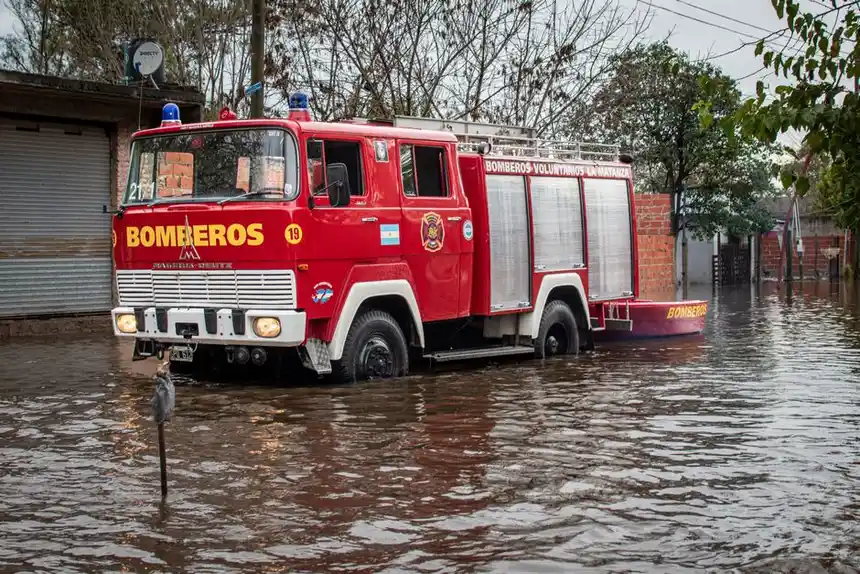
When water is moving through a Binghamton property, we first help you isolate the source and identify immediate safety concerns. Our crew brings extraction equipment suited to the water volume and access, whether the call is for a West Side basement or a ground-floor business near Downtown. We remove pooled water, check surrounding materials, and explain what must dry next.

View Details
24/7 Water Removal

24/7 Water Removal

A pipe failure at night or a weekend leak does not need to wait until morning. Our 24/7 water removal service covers Binghamton homes, rentals, and commercial properties, with equipment selected for the room and amount of water. Tell us whether the water is clean, from a drain, or from outside; that detail helps us prepare appropriate protective gear and extraction tools.

View Details
Standing Water Removal

Standing Water Removal

Standing water can soak carpet edges, baseboards, stored items, and floor joints while appearing limited to one area. In Binghamton, we use pumps or extraction equipment based on depth and safe access, then check adjoining rooms and wall edges. We keep water-absorbent extraction pads available for controlled pickup in tighter spaces and protect dry paths through the property.

View Details
Flood Water Extraction

Flood Water Extraction

After stormwater enters a Binghamton property, our crew removes water and checks which materials have been contacted. Water from outside may carry soil or debris, so we separate affected contents and use suitable protective equipment. We assess basement entries, lower-level rooms, and ground-floor spaces, then record moisture conditions to guide drying rather than relying on surface appearance alone.

View Details
Basement Water Removal

Basement Water Removal

Many Binghamton homes have useful lower-level storage or finished basement space that becomes vulnerable when a drain backs up or water enters at the foundation. We remove water with a pump or extraction unit, move accessible contents as agreed, and check walls, flooring, and nearby framing. You receive a practical plan for drying the basement and monitoring damp materials.

View Details
Crawl Space Water Removal

Crawl Space Water Removal

Crawl space water is difficult to spot from a living area and harder to remove through a small access opening. Our Binghamton crew checks entry dimensions, standing water depth, and visible material conditions before choosing equipment. We remove pooled water where accessible and identify wet insulation or framing that needs attention, keeping the work focused on the affected section.

View Details
Sewage Water Extraction

Sewage Water Extraction

A sewage backup needs controlled handling, not a household vacuum. For Binghamton properties, we isolate the affected area, use disposable protective gloves and protective coveralls, and remove contaminated water with appropriate equipment. We then address affected surfaces with suitable cleaning procedures and explain which porous materials require further assessment. Keep people and pets out of the area until it is safe.

View Details
Storm and Rainwater Removal

Storm and Rainwater Removal

Heavy rain can enter through a basement stairwell, window well, or low foundation opening. We respond across Binghamton with pumps and extraction tools sized to the water level, then inspect likely travel paths toward storage areas and finished rooms. If rain is still entering, we prioritize immediate removal and help you identify the opening that needs temporary protection or repair.

View Details
Burst Pipe Water Extraction

Burst Pipe Water Extraction

A burst pipe can wet multiple rooms before the leak is visible, especially when water travels along ceilings or inside a partition. In Binghamton, we begin after the supply is shut off, extract pooled water, and use a moisture meter to check nearby materials. We document the affected areas so drying can target the actual wet zone instead of the whole building.

View Details
Frozen Pipe Water Damage Extraction

Frozen Pipe Water Damage Extraction

Binghamton's cold winter conditions can leave pipes exposed in unheated areas, garages, and crawl spaces. After a frozen pipe fails, we remove water, check adjoining surfaces, and help you distinguish the damaged section from unaffected rooms. We coordinate the extraction phase with your plumber's source repair so drying equipment can be placed once active leakage has stopped.

View Details
Emergency Water Extraction in Binghamton
Service · #1

Emergency Water Extraction in Binghamton


Water Extraction in Binghamton calls for a fast, careful response when a supply line breaks, a fixture overflows, or floodwater enters a property. New York Water Extraction Pros serves homes and businesses throughout the city, from Downtown and the West Side to older houses near the South Side. We locate the water, remove it with suitable equipment, and explain practical next steps while protecting unaffected rooms and belongings.

Rapid Arrival And Assessment

A quick inspection helps identify the water source, affected rooms, and safest extraction route. In Binghamton's older housing stock, water can travel beneath hardwood floors or behind plaster before damage becomes obvious. Our crew checks visible materials and accessible adjoining spaces, then prioritizes urgent removal so standing water does not continue spreading through the property.

Equipment Matched To Conditions

We select pumps and extraction tools according to water depth, access, and flooring. A finished basement near the Chenango River may need a different setup than a small kitchen leak in a West Side duplex. Careful placement helps remove water efficiently without moving contaminated material into clean areas or adding unnecessary disruption to occupied rooms.

Clear Updates During Response

During an emergency, property owners need practical information, not guesswork. We describe what has been reached, what remains wet, and which materials may require further attention. For Binghamton homes facing snowmelt or heavy rain, that assessment can include basement stairs, utility areas, and low points where water tends to collect.

  • Inspect the water source and map affected rooms before extraction begins.
  • Deploy pumps and extractors suited to water depth and access.
  • Remove pooled water from floors, basements, and reachable cavities.
  • Provide a written summary of observed moisture and recommended next steps.

24/7 Water Removal in Binghamton


24/7 water removal in Binghamton helps property owners respond when leaks or flooding happen outside normal business hours. New York Water Extraction Pros serves residential and commercial properties across neighborhoods such as First Ward, North Side, and Downtown. Whether a pipe fails overnight or rainwater reaches a ground-floor suite, our team assesses the situation, removes accessible water, and helps limit disruption while you plan recovery.

  1. 01

    After-Hours Response Planning

    An overnight leak can soak flooring and belongings before anyone notices. Our response starts by locating the affected area and identifying immediate safety concerns, then selecting equipment for the site. In tightly arranged First Ward homes and apartments, careful hose routing and room-by-room work help keep hallways usable while extraction proceeds.

  2. 02

    Priority For Active Leaks

    If water is still entering, stopping the source is essential before removal can be completed. We coordinate practical next steps with the property owner and, when needed, advise contacting a plumber or utility provider. During Binghamton cold snaps, water removal after a pipe failure may involve ceilings, wall edges, and lower-level rooms.

  3. 03

    Flexible Service For Businesses

    A water incident can interrupt shops, offices, and rental properties at any hour. We work with site contacts to identify occupied spaces, important access routes, and areas needing immediate attention. For Downtown businesses, a focused extraction plan can help protect customer areas and reduce the amount of water tracked into neighboring rooms.

  • Document affected rooms and access needs during the initial visit.
  • Position extraction equipment to maintain safe paths through occupied spaces.
  • Remove water from commercial floors, residential rooms, and lower levels.
  • Share a concise status update with the designated property contact.
24/7 Water Removal in Binghamton

02 / 10

Service

5+ YEARS · BINGHAMTON

Standing Water Removal in Binghamton

Standing water removal in Binghamton addresses pooled water that can damage floors, stored belongings, and building materials. Older basements on the South Side and low-lying properties near local waterways may collect water after leaks, thaw periods, or persistent rain. New York Water Extraction Pros assesses depth and access, then removes accumulated water with suitable equipment before checking nearby areas where moisture may have spread.

Locate Hidden Low Points

Water often settles in places that are easy to overlook, including corners behind storage, floor depressions, and spaces beneath stairs. We survey the affected level and identify practical drainage and extraction points. In older Binghamton basements with uneven concrete or stone foundations, locating these pockets helps prevent water from being left behind after the main pool is removed.

Pump And Extract Efficiently

For deeper pools, pumps can move bulk water before portable extractors address the remaining surface moisture. Equipment choice depends on the volume, access, and condition of the water. A finished basement near Downtown may require careful handling around furnishings, while an unfinished utility space may allow a more direct setup and hose route.

Check Adjacent Materials

Removing visible water is only part of a thorough response. We check nearby flooring, lower wall sections, and stored items for signs that water has moved beyond the pooled area. Binghamton's cold winters and wet spring thaw can prolong damp conditions in basements, so identifying affected surfaces helps property owners choose appropriate follow-up.

  • Measure pooled water and identify low areas throughout the affected space.
  • Pump deeper accumulations before extracting remaining surface water.
  • Clear water around stairs, storage areas, and basement utility equipment.
  • Record visible impacts to nearby flooring, walls, and stored belongings.
Flood Water Extraction in Binghamton

Flood Water Extraction in Binghamton


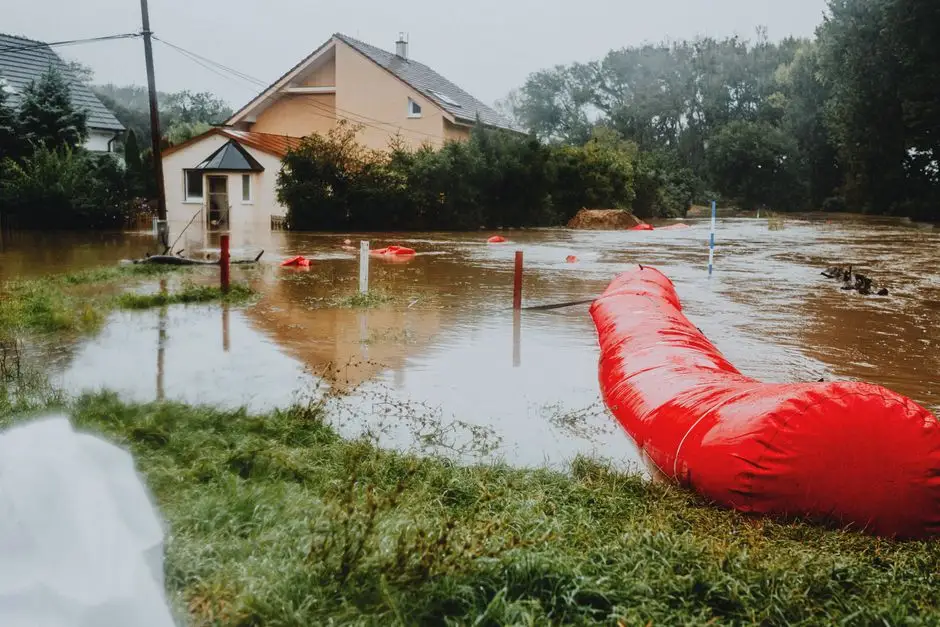
Flood water extraction in Binghamton helps remove water after intense rain, river-related flooding, or an interior overflow. Properties near the Susquehanna and Chenango rivers, along with low basements in older neighborhoods, can face challenging cleanup conditions. New York Water Extraction Pros evaluates the affected space, considers water quality and safe access, and uses extraction equipment to remove floodwater while keeping the work area organized.

Inspect entry points, water depth, and safe routes into flooded rooms.

Promise

“Before work begins, we review how water entered, where it reached, and whether the affected area can be accessed safely. Floodwater may carry debris, so the response differs from a clean plumbing leak. For properties …”

— Binghamton customer
Assess Water And Access +

Before work begins, we review how water entered, where it reached, and whether the affected area can be accessed safely. Floodwater may carry debris, so the response differs from a clean plumbing leak. For properties near the river corridors, we consider basement entry points, outdoor drainage, and the condition of materials exposed to water.

Remove Floodwater Carefully +

Extraction proceeds with equipment selected for the depth and layout of the flooded space. We work through accessible rooms and lower levels, managing hoses and debris to avoid unnecessary spread. Older Binghamton homes with narrow basement stairs or divided rooms benefit from a deliberate sequence that clears the deepest areas while preserving safe movement.

Separate Affected Contents +

Flooding can affect possessions unevenly, particularly in storage rooms and finished basements. We help identify items that are wet, obstruct extraction, or may need separate evaluation, without promising that every material can be restored. In neighborhoods with recurring heavy-rain concerns, clear documentation helps owners understand which spaces and contents were reached.

  • Inspect entry points, water depth, and safe routes into flooded rooms.
  • Extract accessible floodwater using pumps and portable removal equipment.
  • Move obstructing contents carefully to expose affected floor areas.
  • Document impacted spaces and visible water conditions for the owner.
Basement Water Removal in Binghamton
Service · #5

Basement Water Removal in Binghamton


Basement water removal in Binghamton is important for homes where heavy rain, snowmelt, or plumbing failures send water below grade. Many city properties have older foundations and finished lower levels, especially around the West Side and South Side. New York Water Extraction Pros removes pooled water, checks the basement layout, and identifies wet areas around storage, utilities, and finished materials so owners can plan appropriate recovery.

Work Around Basement Features

Basements often contain furnaces, water heaters, laundry equipment, and storage that complicate extraction. We assess access and work around these features while keeping pathways as clear as possible. In older Binghamton houses, uneven floors and narrow stairs can make equipment placement especially important, so the extraction plan reflects the actual layout rather than a one-size approach.

Address Seasonal Water Entry

Spring thaw and repeated rain can expose weaknesses around foundation walls, window wells, and floor drains. We remove water already inside and note visible entry points that may warrant attention from a qualified contractor. A basement water removal service can help South Side property owners address immediate pooling before dampness affects more stored items or finished surfaces.

Check Finished Lower Levels

Carpet, baseboards, and wall finishes may hold moisture after water is removed from the floor. We inspect accessible edges and nearby materials to identify areas that appear affected, then explain what further assessment may be useful. This is particularly relevant in renovated Downtown basements where finished rooms sit beside older masonry foundation walls.

  • Extract standing water from basement floors and accessible storage areas.
  • Route hoses safely around furnaces, laundry equipment, and utility lines.
  • Check visible lower walls, baseboards, and flooring for water impact.
  • Provide owners with observations on entry points and affected materials.

Crawl Space Water Removal in Binghamton


Crawl space water removal in Binghamton targets water trapped beneath homes, where limited access and damp conditions can make cleanup difficult. Some older houses around the North Side and First Ward have low-clearance spaces vulnerable to seasonal rain or thawing snow. New York Water Extraction Pros evaluates entry, standing water, and visible obstructions before selecting a safe approach to extraction and documenting conditions beneath the structure.

  1. 01

    Evaluate Clearance And Entry

    A crawl space needs a careful access check before equipment or personnel enter. We note the opening size, clearance, visible utilities, and obstacles that could affect safe work. In older Binghamton homes, irregular foundations and tight access points are common considerations, so the plan may rely on suitable hoses and equipment positioned from the nearest practical entry.

  2. 02

    Remove Water From Low Areas

    Water may collect in shallow depressions beneath joists or along foundation edges, where it is difficult to see from the access hatch. We identify reachable pools and select extraction methods appropriate to the space. During wet spring conditions, prompt crawl space water removal can reduce prolonged contact between pooled water and exposed structural materials.

  3. 03

    Note Moisture And Debris

    After extraction, visible debris and damp areas can provide clues about how water entered and where it traveled. We record accessible observations without disturbing building components unnecessarily. For North Side properties, those notes can help owners discuss drainage, vapor barriers, or foundation concerns with the appropriate specialist after immediate water has been removed.

  • Assess crawl space access, clearance, utilities, and visible obstructions.
  • Extract accessible pools from low points beneath the building.
  • Use hose placement suited to narrow entries and limited headroom.
  • Record visible moisture, debris, and potential water-entry observations.
Crawl Space Water Removal in Binghamton

06 / 10

Service

5+ YEARS · BINGHAMTON

Sewage Water Extraction in Binghamton

Sewage water extraction in Binghamton requires prompt, cautious handling because contaminated water can affect surfaces and belongings. Backups may occur in older properties with aging plumbing or during heavy rain that strains drainage systems. New York Water Extraction Pros assesses the affected area, establishes appropriate separation from clean spaces, and removes accessible sewage water while advising owners to keep people and pets away from impacted rooms.

Restrict Access To Affected Areas

A sewage backup should be treated differently from a clean-water leak. We help identify practical boundaries around affected rooms and avoid tracking contamination into hallways or occupied areas. In older South Side homes, basements may combine laundry, storage, and utility functions, making a clear work zone essential before extraction and further cleanup can proceed.

Extract Contaminated Water

The removal process focuses on accessible contaminated liquid and materials that interfere with safe extraction. Equipment and handling practices are selected for the conditions observed, with attention to containing hoses and disposable items. For a basement backup in Downtown Binghamton, isolating the work route can help limit contact with adjacent finished rooms.

Explain Cleanup Next Steps

Water removal does not by itself disinfect or restore every affected surface. We explain which areas were reached and why further cleaning or material evaluation may be necessary, especially for porous items. Owners should follow appropriate safety guidance and consult qualified remediation professionals when contamination extends into wall cavities or other concealed spaces.

  • Establish a practical boundary around contaminated rooms and access routes.
  • Extract accessible sewage water with equipment selected for site conditions.
  • Separate affected contents from clean areas during removal work.
  • Document impacted surfaces and explain appropriate follow-up considerations.
Storm and Rainwater Removal in Binghamton

Storm and Rainwater Removal in Binghamton


Storm and rainwater removal in Binghamton helps clear water after downpours, rapid snowmelt, or runoff entering a building. Low spots near the Susquehanna River and older neighborhoods with below-grade basements can be especially vulnerable during unsettled weather. New York Water Extraction Pros identifies where water has collected, removes it from accessible areas, and notes conditions around doors, foundation walls, and drains for the property owner.

Identify indoor runoff paths from doors, windows, drains, and foundations.

Promise

“Rainwater can enter through basement windows, exterior doors, floor drains, or foundation openings, then move toward low points. We inspect accessible routes to understand where water gathered and how far it spread. I…”

— Binghamton customer
Trace Runoff Paths Indoors +

Rainwater can enter through basement windows, exterior doors, floor drains, or foundation openings, then move toward low points. We inspect accessible routes to understand where water gathered and how far it spread. In Binghamton's hilly neighborhoods, runoff can reach one side of a property more quickly, so room layout and exterior grade both matter.

Remove Water After Storms +

Once the affected area is assessed, pumps and extractors are used according to water depth and access. A brief but intense storm can leave pools in a West Side basement, while prolonged rain may saturate several rooms. Our approach accounts for the building's contents and keeps extraction activity focused on the areas that need immediate attention.

Record Drainage Concerns +

After visible water is removed, observations about drains, window wells, and entry points can guide future maintenance discussions. We do not assume that extraction resolves an exterior drainage issue, but clear notes help owners decide what to inspect next. Seasonal thaw and repeated rain make this information useful for properties across the city.

  • Identify indoor runoff paths from doors, windows, drains, and foundations.
  • Remove stormwater pools from accessible floors and lower-level rooms.
  • Position extraction equipment to protect contents and maintain clear access.
  • Note visible drainage concerns for the property owner's review.
Burst Pipe Water Extraction in Binghamton
Service · #9

Burst Pipe Water Extraction in Binghamton


Burst pipe water extraction in Binghamton helps limit damage when plumbing fails in a home, rental, or business. Winter temperatures can stress pipes in exterior walls, unheated basements, and vacant properties across neighborhoods such as First Ward and the West Side. New York Water Extraction Pros assesses the affected rooms, removes accessible water, and coordinates practical next steps once the source has been shut off.

Confirm Source And Shutoff

Before extraction, the water supply must be stopped or controlled by the property owner or a plumber. We identify the apparent affected area and help clarify what rooms need immediate attention. In Binghamton's older housing stock, a break can release water behind plaster or beneath flooring, so checking beyond the obvious puddle is worthwhile.

Clear Water Across Rooms

A burst line can send water through several connected spaces before anyone finds the leak. We remove accessible water from floors and lower-level areas, using equipment suited to room size and materials. In a First Ward duplex, a deliberate route between the source room and adjoining hallway can reduce unnecessary tracking during the work.

Inspect Nearby Building Materials

Once water is extracted, nearby baseboards, flooring, and lower wall sections may still show signs of exposure. We note accessible observations and explain where further moisture assessment could be appropriate. This is useful in West Side homes with plaster walls or older wood floors, where water may travel beyond the visible damage.

  • Confirm the reported leak area and verify water flow has stopped.
  • Extract pooled water from affected rooms and connected hallways.
  • Check accessible flooring, baseboards, and lower wall sections for impact.
  • Provide observations to support plumbing and restoration follow-up discussions.

Frozen Pipe Water Damage Extraction in Binghamton


Frozen pipe water damage extraction in Binghamton addresses leaks that appear after severe cold or thawing temperatures. Unheated rooms, exterior-wall plumbing, and vacant buildings can be vulnerable during the city's long winter season. New York Water Extraction Pros removes accessible water and assesses affected areas, from attic-adjacent ceilings to basement floors, helping owners understand the extent of visible damage and what additional evaluation may be needed.

  1. 01

    Identify Winter Leak Spread

    When a frozen pipe ruptures, water may flow after temperatures rise, spreading into rooms far from the break. We inspect the reported area and accessible adjoining spaces, including ceilings, closets, and lower levels. In Binghamton properties with older insulation or additions, tracing the visible path helps ensure extraction is not limited to the first puddle.

  2. 02

    Extract Water From Materials

    Water can collect on floors, soak carpeting, or drip from ceilings after a pipe thaws. We use suitable extraction equipment for the affected surfaces and work carefully around furnishings and utilities. A basement or upper-floor leak in a North Side home may require different access and hose arrangements depending on stairs and room divisions.

  3. 03

    Prepare For Further Assessment

    Some winter water damage remains concealed inside walls or beneath finishes after visible water is removed. We document what can be seen and explain when a qualified restoration professional should evaluate hidden areas. Owners should also arrange repair of the failed pipe and address cold-air exposure before another freeze creates a repeat problem.

  • Map visible water spread from the suspected frozen pipe location.
  • Extract water from affected floors, carpets, and accessible surfaces.
  • Record visible ceiling, wall, and flooring impacts for further review.
  • Recommend coordinating pipe repair and additional concealed-moisture assessment.
Frozen Pipe Water Damage Extraction in Binghamton

10 / 10

Service

Residential Water Extraction

Residential Water Extraction for Binghamton Homes

Binghamton homes range from older houses with cellar basements to multi-unit rentals and newer residences with finished lower levels. Your immediate concern is usually protecting family belongings and getting rooms usable again, but water can affect flooring, trim, drywall, and stored items beyond the visible pool. We handle basement water removal, pipe leaks, rain entry, and drain backups, adjusting access and equipment to the home. If your household needs rooms kept clear, tell us which paths and areas must remain accessible so we can plan around daily routines.

  • Finished basement water removal — In Binghamton, a finished basement can contain carpet, drywall, furniture, and electrical equipment close to the floor. We remove accessible water, check the affected edges, and identify materials that need drying attention. Tell us which belongings are most important and whether anyone needs to use the lower level while work is underway.
  • Burst pipe cleanup at home — A burst pipe may wet more than the room where the leak appears. We extract water after the source is controlled, check nearby rooms and wall surfaces, and document moisture readings. In Binghamton homes with cellar plumbing, we also consider the path from the leak to the lowest floor.
  • Rainwater removal from basements — When rain enters through a stairwell or window well, we remove water and check the immediate entry area and adjacent floor edges. Binghamton homeowners can tell us whether water continued coming in after the rain eased. That detail helps us distinguish an active opening from water already pooled inside.
  • Crawl space water extraction — Water in a crawl space is easy to miss until an odor or damp floor appears above it. We assess the access opening and visible conditions, remove pooled water where reachable, and note wet materials for follow-up. Our Binghamton crew keeps the work focused on affected areas and safe entry.

Commercial Water Extraction

Commercial Water Extraction in Binghamton

Binghamton businesses need water removed without losing track of employees, customers, stock, or building access. Downtown offices, storefronts, restaurants, rental properties, and facilities along commercial corridors have different operating hours and loading conditions. We coordinate entry with your site contact, identify affected rooms, and plan equipment staging around active operations where possible. For a question like how to reopen a Binghamton business after water damage, the first steps are controlling the source, removing water, and checking affected materials before the space is put back into use.

Retail storefrontsRestaurants and cafesOffice buildingsMulti-unit housingEducational facilities

Common Binghamton Water Problems

Binghamton's cold winters, thaw periods, and heavy rain can expose weak points in older basements and plumbing systems. Housing across the city includes older construction with varied foundation and cellar layouts, so water may travel farther than the first wet patch suggests. Water removal needs to account for the source, affected material, and access route. We do not assume every basement leak is groundwater: a supply line, drain backup, or rain entry requires a different response.

Basement water after heavy rain or rapid snowmelt

Rain and melting snow can collect near foundation openings, window wells, or basement stairs. Older drainage and grading conditions vary from property to property, so the entry route must be checked rather than assumed. Water can then spread across stored items and floor edges.

Frozen pipe leaks in basements and crawl spaces

Cold weather can affect pipes routed through unheated sections of a building. A pipe may split while frozen and release water after it begins to thaw, leaving a leak that is first noticed at the floor or ceiling below.

Sewage backup through a floor drain

A drain or sewer backup can send contaminated water into a basement or lower-level utility room. The water may contain waste and debris, so the source and affected contents must be treated differently from a clean pipe leak.

Hidden moisture after a burst pipe

Water from a failed pipe can run behind trim, through a ceiling, or into a wall cavity before appearing elsewhere. In multi-unit and older buildings, connected assemblies can make the visible stain smaller than the actual wet area.

When to Call for Water Extraction

Call for water extraction when water remains on a floor, has soaked building materials, or came from a drain or outside source. In Binghamton, a quick surface wipe is not enough if water reached a basement wall, carpet pad, or the space beneath flooring. If you are asking what to do after a Binghamton basement floods, keep people away from standing water near electrical equipment, stop the source if it is safe, and call us with the affected area and water type. Earlier removal reduces the time materials stay wet.

  • Water remains after a leak is stopped

    A visible pool means water may also be trapped beneath rugs, along baseboards, or in floor joints. Remove people and valuables from the area if safe, then call for extraction. The longer water sits, the more opportunity it has to spread into porous materials.

  • Carpet feels wet beyond the visible edge

    Wet carpet can hold water in its backing and pad after the surface appears nearly dry. Pressing or walking on it may move moisture into adjoining areas. We check the carpet edge and surrounding floor so the extraction plan covers the full wet footprint.

  • Basement water smells like a drain

    A sewer-like odor may signal a sewage backup rather than clean rain or supply water. Keep children and pets out and avoid using a household vacuum. Call for controlled sewage water extraction and tell us whether a floor drain or toilet overflowed.

  • Wall paint bubbles near the floor

    Bubbling paint, swollen trim, or soft drywall can indicate moisture behind the surface. The leak may have stopped while dampness remains in the wall assembly. We use moisture readings and targeted checks to determine whether the wet area extends beyond what you can see.

  • Water appears after a cold night

    A pipe in an unheated basement, crawl space, or garage may split during a freeze and leak as conditions change. If you find water, shut off the supply only if safe and contact a plumber for the repair. We remove water after active flow is controlled.

Binghamton Landmarks for Navigation

We use familiar city landmarks as orientation points when confirming an address, not as claims about where damage occurs. Binghamton's street grid, river crossings, and major corridors help us distinguish Downtown from surrounding residential districts and choose an approach that fits your entry. Give us the exact street address and a nearby cross street; that is more reliable than a landmark alone, especially where multiple buildings share a frontage or entrance.

Roberson Museum and Science Center

The museum is a recognizable Downtown-area reference on Front Street. It can help orient a caller describing nearby streets, but we still confirm the property address and the correct entrance before arrival.

Binghamton University Downtown Center

The Downtown Center provides a useful reference for the central business district and nearby streets. Callers can use it to describe their general location while giving the exact building address for routing.

NYSEG Stadium

NYSEG Stadium is a familiar landmark near the Chenango River and downtown street network. It can help identify the broader area when discussing access, but it does not replace a street address or entrance details.

Coverage across Binghamton & Broome County

13904139051390113903

Plus surrounding Broome County neighborhoods, with same-day routing on most appointments.

Binghamton Water Extraction by Season

As November gives way to winter, Binghamton property owners should pay close attention to unheated plumbing and basement entry points. The rest of the year brings different risks: spring thaw and rain, summer storms, and fall leaves that can obstruct drainage paths. If you are wondering how to prevent frozen pipes from causing water damage in Binghamton, keep vulnerable spaces heated where appropriate, know the shutoff location, and act quickly if a pipe fails. We adapt extraction plans to the season and the water source.

Spring

Spring rain and snowmelt can expose water entry around basement stairs, window wells, and low foundation openings. Thawing ground and changing weather may also reveal drainage trouble that was less noticeable during freezing conditions. Check lower-level rooms after significant precipitation.

Tip: Clear leaves and debris from accessible drains and downspouts before the wet season. If water enters, note the entry point and depth, move valuables only if safe, and call before wet materials sit for an extended period.

Summer

Summer thunderstorms can bring intense rain and brief flooding, while plumbing leaks and appliance failures continue year-round. A finished basement may take on water through a stairwell or window well, and humid air can make drying less straightforward after extraction.

Tip: Keep a flashlight and phone accessible during storms, and avoid entering a flooded room if electrical equipment is affected. Tell us whether the water came from outside or a plumbing source so we prepare the right approach.

Fall

Fall leaves can obstruct drainage paths, and cooler nights begin to put exposed plumbing at risk. Water may collect at low basement openings during rain, while properties with unheated utility spaces need attention before sustained cold arrives.

Tip: Check hose connections, shutoff access, and unheated areas before temperatures drop. Clear debris where it is safe to do so, and arrange a prompt inspection by the appropriate trade if a pipe or drain shows signs of trouble.

Winter

Binghamton winter cold increases the risk of frozen pipe failures in garages, crawl spaces, and unfinished basements. A leak can become apparent after a thaw, sometimes affecting flooring or walls before the source is found. Snow and ice can also complicate outside access.

Tip: Know where your main water shutoff is and keep access clear. If a pipe fails, shut off water only if you can do so safely, stay away from electrical hazards, and call for extraction once the leak is controlled.

Water Extraction in Binghamton FAQs

Real answers from our team for the questions we hear most often before a job starts.

How much does water extraction cost in Binghamton?
Small, accessible clean-water jobs often cost about $250-$700, while larger multi-room basement losses can run roughly $1,000-$4,000 or more. The final amount depends on water depth, source, affected materials, access, and drying equipment time. Sewage or stormwater requires different handling than a clean supply-line leak. We give upfront pricing and explain the work before proceeding; tell us how many rooms are wet and whether water is still entering.
How quickly can water extraction reach a Binghamton home?
We take emergency calls 24/7 and arrange response based on the address, current conditions, and active safety risks. Call +18668968166 with your neighborhood, water source, and depth so we can prepare the right equipment. If water is near electrical outlets or appliances, do not enter the area. A clear description helps us plan the safest route and first extraction steps.
What should I do after my Binghamton basement floods?
Keep people and pets out of standing water if electricity may be involved, and shut off the water source only if it is safe. Do not use a household vacuum on deep water or anything that may contain sewage. Move valuables from dry areas first, note where water entered, and call for basement water removal. Tell us the approximate depth and whether the water came from a drain, pipe, or outside.
Can you remove sewage water from a Binghamton basement?
Yes, our sewage water extraction service handles contaminated water with controlled access and protective equipment. Keep the room closed to children and pets, avoid touching wet contents, and tell us which drain or fixture backed up. We remove the water, assess affected materials, and explain cleaning or material decisions. Sewage should not be handled like a clean pipe leak or picked up with a standard household vacuum.
How long does water extraction and drying take?
Water extraction in a single accessible room may take a few hours, while drying commonly takes about 3-5 days depending on materials, humidity, and how much water entered. A multi-room basement or hidden moisture can take longer. We check readings rather than relying on appearance alone, and equipment may need to run between visits. The source must be controlled before drying can progress effectively.

Call for Water Extraction in Binghamton

Water Extraction in Binghamton is available for urgent leaks, flooded basements, stormwater, and sewage backups. Our team takes emergency calls 24/7; tell us the address, water source, and affected rooms so we can prepare for your property. Call +18668968166 now to reach the response line and start the next steps. We follow the ANSI/IICRC S500 Standard for Professional Water Damage Restoration as a work reference.

Call Now Send a Message

Contact Our Team

Call New York Water Extraction Pros at +1 866-896-8166 any time, day or night, for help with flooding, leaks, or standing water. Tell us your community, the affected rooms, and whether the water is still coming in. We will connect you with an independent company serving your area and help move the response forward.

Or call us right now at +18668968166 — we answer.

New York Water Extraction Pros


  • Phone

    +18668968166
  • Address

    New York

  • Hours

    Mon–Fri: 7AM – 7PM
    Sat: 8AM – 4PM
    Sun: Emergency Only
    24/7 Emergency Available

Call +18668968166 Get Quote
Call Quote