
Residential Water Extraction for Harrison Homes
Harrison homes range from established houses with basements and utility spaces to apartments and newer residences with finished interiors. A burst pipe can wet more than the room where it breaks; water can travel through ceilings, cabinets, and floor assemblies before you see the full extent. Our residential service begins with protecting people and contents, then removing standing water and checking affected materials. We coordinate around family routines, pets, stairs, and access to essential rooms. For a basement leak, we ask whether the water is still entering and whether the source is plumbing, a drain, or rain. We then choose extraction equipment and drying placement to suit the space. You get direct updates about what we found and what readings show.
- Basement water extraction — We remove water from Harrison basements, including laundry rooms, storage areas, and finished lower levels. We check wall edges and adjoining rooms after extraction, because water can move beyond the visible pool. Keep electrical equipment and stored belongings out of standing water until the area is assessed.
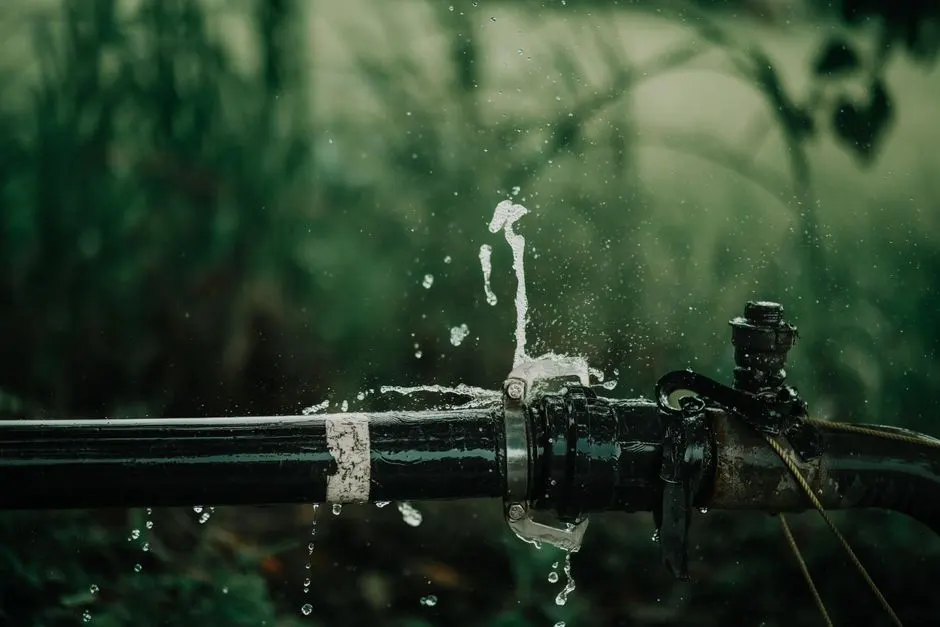
- Burst pipe cleanup — After the plumbing source is controlled, we extract water from floors, cabinets, and affected rooms in your Harrison home. We inspect adjacent surfaces and use moisture readings to guide drying. If water reached a ceiling, we keep people clear of any sagging area while the source and assembly are assessed.
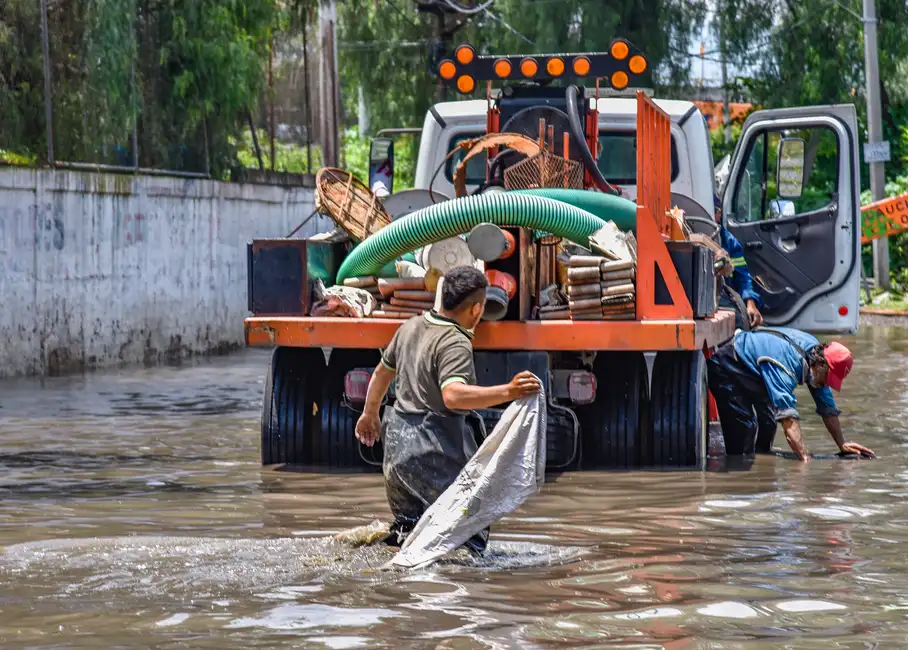
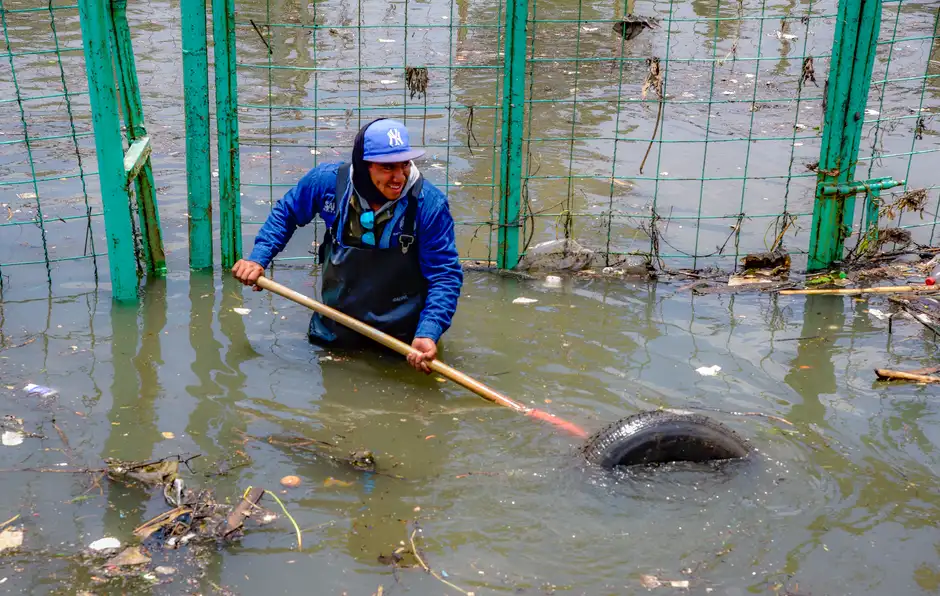
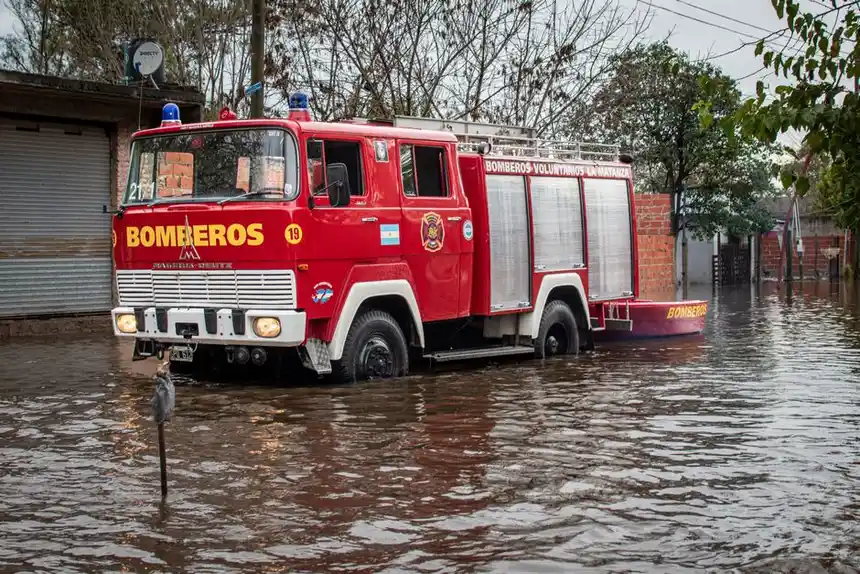
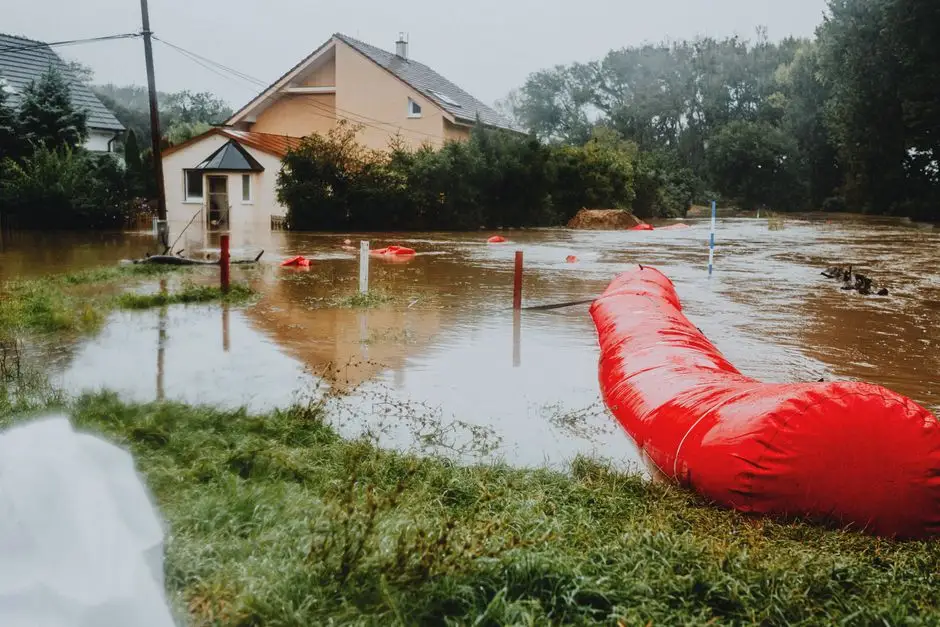
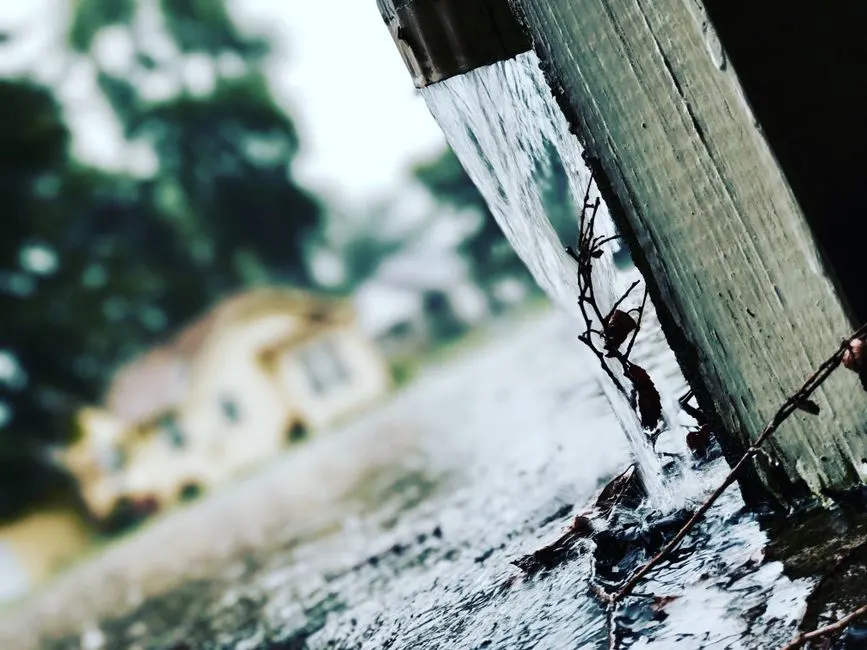
- Stormwater removal — When rainwater enters a Harrison residence, we remove pooled water and check the entry area and nearby materials. We help you identify visible water paths without claiming to perform exterior repairs. If water is contaminated or carries debris, we adapt handling and cleaning procedures accordingly.
- Crawl space water removal — Water beneath a Harrison home can affect subfloor materials without an obvious indoor puddle. We assess access and safety before removing standing water, then check reachable materials for moisture. If a cavity remains damp, we explain the next drying or building-repair step instead of treating the surface alone.