
Logo
Get Estimate

Water Extraction in North Tonawanda for Flooded Homes

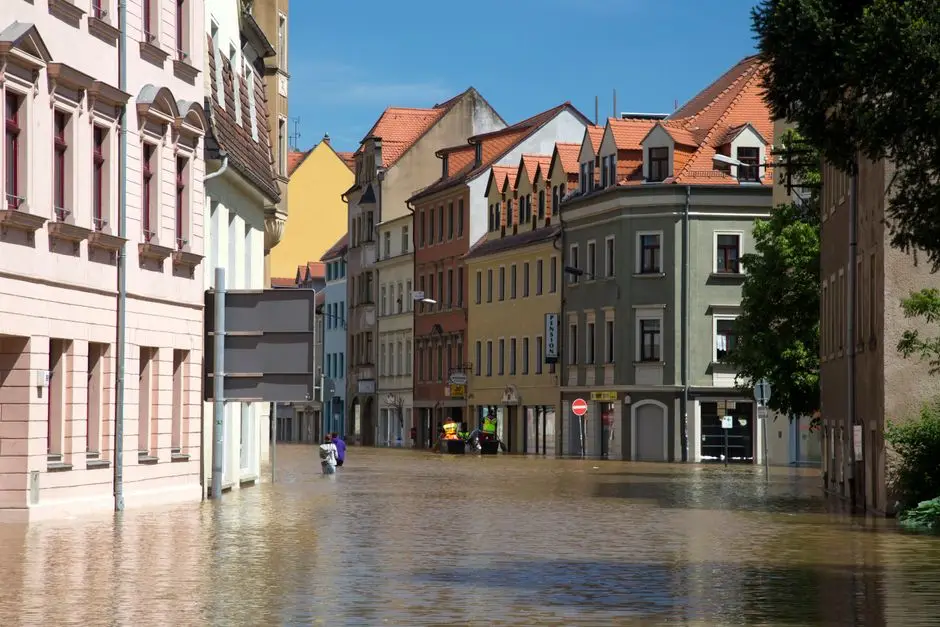
Water Extraction in North Tonawanda starts with stopping the spread, removing standing water, and checking what the eye cannot see. We help homeowners and businesses across North Tonawanda, New York, after basement flooding, burst pipes, stormwater intrusion, and sewage backups. From older homes near the canal to commercial spaces along Niagara Falls Boulevard, our crew works to get water out quickly and identify wet materials before damage spreads.

Call for Help Request Service
Emergency service Service area Direct phone
Licensed Licensed & Bonded
Fully Insured Insured & Bonded
24/7 Emergency Same-Day Response
Warranty Backed Workmanship Guaranteed in North Tonawanda
North Tonawanda

Water Extraction in North Tonawanda, Done Right


Water Extraction in North Tonawanda is a property restoration service that removes unwanted water and helps limit damage after leaks, flooding, or plumbing failures. North Tonawanda homes and businesses include older basements, finished lower levels, crawl spaces, and commercial buildings where water can travel beneath flooring or behind walls before it becomes visible. Our crew starts by identifying the source, then measures affected areas and chooses the safest practical removal method. We provide emergency water extraction and 24/7 water removal for urgent calls, including frozen pipe failures during hard winter weather.

We work across the city, from the Lumber City area and neighborhoods around Payne Avenue to streets near the Erie Canal and the Niagara River. A truck-mounted water extraction unit suits accessible larger areas; tight basements and crawl spaces may call for a portable extraction pump or submersible pump. We use moisture readings to guide drying rather than relying on appearance alone. That matters in North Tonawanda, where cold winters, freeze-thaw cycles, and spring rain can put stress on foundations and plumbing. We explain what we find, remove water, and lay out the next steps plainly.

  • Locally licensed and insured in North Tonawanda
  • Same-day diagnostics and written estimates
  • Real workmanship warranty in writing
  • Background-checked, in-house technicians

Water Removal Services Across North Tonawanda

North Tonawanda calls range from a few inches of water in a utility room to a large loss affecting several rooms. We match equipment to the water depth, floor surface, access, and whether the source is clean or contaminated. If you are wondering how to remove water from a North Tonawanda basement after heavy rain, start by keeping people away from electrical hazards and call us to assess the area. Our team handles residential and commercial properties, then checks adjoining materials for moisture that could be missed during a quick cleanup.

Emergency Water Extraction

Emergency Water Extraction

A burst supply line or sudden appliance failure can put water across a room before you have time to move belongings. In North Tonawanda, we assess the source, check safe access, protect the route through your home, and begin removal with equipment suited to the space. We also identify wet flooring and lower wall sections so the cleanup addresses more than the visible puddle.

View Details
24/7 Water Removal

24/7 Water Removal

A leak does not wait for business hours, especially during a North Tonawanda winter freeze. Call any time for water affecting a home, rental, or commercial space. We determine whether the water is still entering, isolate the affected area where practical, and remove it with pumping or extraction equipment. Early removal helps reduce the time water sits against flooring and stored items.

View Details
Standing Water Removal

Standing Water Removal

Standing water in a North Tonawanda basement, laundry room, or ground-floor business needs prompt removal and a check for hidden spread. We select a pump or extraction unit based on depth and access, then use moisture readings to map the affected materials. If water has reached electrical equipment, do not enter until the area is confirmed safe.

View Details
Flood Water Extraction

Flood Water Extraction

After stormwater or a plumbing event floods a North Tonawanda property, we separate affected contents, remove water, and assess the floor and wall assemblies. A wet building material does not always show its full condition at the surface. Our crew records moisture conditions and recommends drying or removal steps based on the material and the type of water involved.

View Details
Basement Water Removal

Basement Water Removal

Basements around North Tonawanda can include finished family rooms, storage areas, and mechanical equipment close to the floor. We remove water from accessible areas, check corners and wall-floor joints, and look for moisture that may have moved behind trim or paneling. A clear path to the stairs helps us move equipment in and belongings out safely.

View Details
Crawl Space Water Removal

Crawl Space Water Removal

Low clearance and limited access make crawl space flooding a different job from an open basement. We assess the entry, standing water depth, and nearby electrical or mechanical hazards before using a pump suited to the space. For North Tonawanda homes, we also check whether damp framing or insulation needs further attention after the water is removed.

View Details
Sewage Water Extraction

Sewage Water Extraction

A sewage backup requires controlled work because contaminated water can affect floors, contents, and lower wall materials. We restrict access, wear protective gear, remove contaminated water, and clean affected hard surfaces with an appropriate antimicrobial cleaning solution. In North Tonawanda homes and businesses, we also discuss which porous materials require removal rather than surface cleaning.

View Details
Storm and Rainwater Removal

Storm and Rainwater Removal

Heavy rain can push water through vulnerable openings or overwhelm drainage around a North Tonawanda property. We remove collected water and inspect the path it took, including basement corners, window wells, and utility penetrations. Once the immediate water is out, we help you identify practical next steps for drying and reducing repeat entry during the next storm.

View Details
Burst Pipe Water Extraction

Burst Pipe Water Extraction

When a pipe breaks, shutting off the supply is only the first step; water may already have reached flooring, cabinets, and wall cavities. We extract water and check nearby rooms for spread, especially where a North Tonawanda home has connected lower-level spaces. We coordinate our removal work with your plumber's repair so wet materials are not left unchecked.

View Details
Frozen Pipe Water Damage Extraction

Frozen Pipe Water Damage Extraction

Freezing temperatures can split an exposed or poorly insulated line, releasing water when the pipe thaws. We respond to the resulting wet rooms, remove water, and measure affected surfaces before setting drying equipment. In North Tonawanda, protect people first and avoid touching wet electrical fixtures; we can then assess the water damage and help you move toward a dry, usable space.

View Details
Emergency Water Extraction in North Tonawanda
Service · #1

Emergency Water Extraction in North Tonawanda


Water Extraction in North Tonawanda calls for prompt action when a supply line fails or a storm sends water across the floor. New York Water Extraction Pros responds to homes and businesses around Gratwick-Riverside Park, the Canal District, and the Oliver Street area. Technicians assess the source, remove water, and plan drying suited to the affected materials, helping limit damage in older houses, mixed-use buildings, and newer properties.

Rapid Arrival And Assessment

Crews first identify active leaks, electrical concerns, and water movement before placing extraction equipment. In North Tonawanda's established neighborhoods, homes may combine finished basements with older framing and varied flooring, so a quick inspection helps set sensible priorities. Technicians explain immediate steps, document visible conditions, and coordinate access with property owners while keeping the work area organized.

Targeted Water Removal

The team selects pumps and extractors according to the depth and spread of the water, rather than treating every room alike. This approach supports emergency water removal in North Tonawanda after appliance failures, roof leaks, or plumbing breaks. Crews work through affected rooms, remove accessible water from floor coverings, and check adjoining spaces where moisture may have traveled unseen.

Drying And Documentation

Once standing water is removed, technicians position air movers and dehumidifiers to support controlled drying. Lake-effect weather can bring damp conditions and sudden temperature changes, making careful moisture checks especially useful for local properties. Readings and site notes help track progress, while clear communication lets owners understand what was affected and which areas need continued attention.

  • On-site assessment of water source, affected rooms, and immediate safety concerns
  • Rapid extraction of pooled water from floors and accessible furnishings
  • Moisture readings recorded across impacted walls, flooring, and adjoining spaces
  • Air movers and dehumidifiers positioned for property-specific drying

24/7 Water Removal in North Tonawanda


24/7 water removal in North Tonawanda is available when a leak or flood cannot wait for regular business hours. New York Water Extraction Pros serves properties near Payne Avenue, the downtown canal corridor, and neighborhoods bordering the Niagara River. Around-the-clock response helps owners address water intrusion during overnight pipe failures, weekend storms, or winter thaws before it spreads through floors and lower levels.

  1. 01

    Calls Answered Any Hour

    A water emergency can begin while a family sleeps or a commercial space is closed. Our response process gathers details about the source, water depth, and access so the team can prepare suitable equipment. For water removal after a leak in North Tonawanda, this early information supports a more focused arrival and helps owners take practical steps while help is on the way.

  2. 02

    Equipment For Each Property

    North Tonawanda includes compact storefronts, older single-family houses, and larger buildings with multiple floors. Technicians account for that variety when selecting pumps, extraction tools, and drying equipment. They map affected rooms, protect nearby belongings where practical, and work around stairs or narrow entrances common in older construction, keeping equipment placement efficient without overlooking adjacent areas.

  3. 03

    Progress Through The Night

    After extraction, drying continues with equipment selected for the materials and conditions present. Winter cold near the Niagara River can complicate drying in unheated spaces, so readings guide adjustments rather than guesswork. Technicians explain what equipment is running, which locations are being monitored, and when follow-up checks are appropriate, giving property owners a clear view of overnight progress.

  • After-hours dispatch details collected for faster, better-prepared service
  • Portable extraction equipment matched to access and water depth
  • Affected spaces inspected, including rooms adjoining the reported leak
  • Drying equipment placement and progress explained to property owners
24/7 Water Removal in North Tonawanda

02 / 10

Service

5+ YEARS · NORTH TONAWANDA

Standing Water Removal in North Tonawanda

Standing water removal in North Tonawanda helps address pools left by basement seepage, plumbing leaks, or storm runoff. Properties around the Raymond Klimek Veterans Park area and neighborhoods along the canal can have low-lying yards and lower levels vulnerable to accumulated water. New York Water Extraction Pros assesses the depth and extent, then removes accessible water before evaluating surfaces and materials that require further drying.

Measure Water And Access

Before pumping begins, technicians check water depth, identify safe entry points, and note obstacles such as stored belongings or floor drains. Older North Tonawanda basements may have divided rooms and uneven concrete, which can affect equipment placement. The team determines a practical removal sequence and discusses any contents that need to be moved to reach pooled water safely.

Extract From Low Areas

Submersible pumps and extraction tools remove pooled water from basements, utility rooms, and ground-level spaces. For standing water in a North Tonawanda basement, crews pay attention to corners, stairwells, and areas around appliances where water can remain trapped. They work methodically, checking the surface as levels fall and clearing accessible water without rushing through difficult areas.

Check Surfaces After Pumping

Water removal is followed by an inspection of flooring, wall edges, and nearby building materials. Freeze-thaw cycles and heavy precipitation in Western New York can contribute to recurring moisture around foundations, so technicians note conditions that may need attention. Moisture measurements help establish where drying equipment should be placed and give owners a useful record of the affected area.

  • Water depth and safe access points documented before pumping begins
  • Pooled water extracted from basement floors and utility spaces
  • Corners, stairwells, and appliance areas checked for remaining water
  • Post-extraction moisture readings collected for affected building materials
Flood Water Extraction in North Tonawanda

Flood Water Extraction in North Tonawanda


Flood water extraction in North Tonawanda addresses water entering homes and businesses after intense rain, river-related flooding, or drainage backups. Properties near the Niagara River and low-lying sections around Gratwick Park may face different conditions than buildings farther inland. New York Water Extraction Pros evaluates the affected structure, removes accessible water, and identifies materials requiring careful drying after a flood event.

Flood-affected rooms surveyed and water pathways recorded

Promise

“Flood conditions can affect multiple rooms and bring water through doors, foundation openings, or floor drains. Technicians survey the property to understand where water traveled and whether the source remains active.…”

— North Tonawanda customer
Inspect Flood Impact +

Flood conditions can affect multiple rooms and bring water through doors, foundation openings, or floor drains. Technicians survey the property to understand where water traveled and whether the source remains active. Flood damage cleanup in North Tonawanda begins with identifying impacted surfaces and separating affected areas from dry ones, particularly in older homes with finished lower levels.

Remove Water Systematically +

Crews use pumps for deeper accumulation and extractors for accessible water on floors and carpets. They follow a planned route through the property, avoiding unnecessary movement of debris and checking transitions between rooms. In buildings near the canal district, varied floor heights can hide water at thresholds, so technicians inspect each section as extraction progresses.

Plan Controlled Drying +

Following extraction, technicians assess materials that may retain moisture behind trim, beneath flooring, or inside wall cavities. North Tonawanda's humid summer spells and damp fall weather can slow natural drying, making measured monitoring important. Equipment is positioned according to the inspection, and owners receive practical updates about readings and any areas that warrant continued observation.

  • Flood-affected rooms surveyed and water pathways recorded
  • Standing floodwater pumped or extracted from accessible interior areas
  • Floor transitions and lower wall edges checked for trapped moisture
  • Drying plan tailored to observed materials and moisture readings
Basement Water Removal in North Tonawanda
Service · #5

Basement Water Removal in North Tonawanda


Basement water removal in North Tonawanda is important when seepage, a failed sump pump, or a broken pipe leaves lower-level rooms wet. Many local homes have basements used for laundry, storage, or finished living space, particularly around the Oliver Street and Payne Avenue neighborhoods. New York Water Extraction Pros removes accessible water and checks floor and wall conditions to guide appropriate drying.

Locate Basement Water Sources

Technicians inspect floor drains, sump areas, plumbing fixtures, and foundation edges to understand how water entered. With older North Tonawanda housing stock, basement layouts and materials can vary considerably from one property to another. A focused review helps distinguish a continuing leak from water that has already stopped, shaping the removal sequence and any recommended monitoring.

Clear Lower-Level Water

Pumps and extraction equipment remove water from open floor areas, storage rooms, and finished basement sections. Basement flood cleanup in North Tonawanda may require careful work around furnaces, laundry equipment, and stored household items. Technicians identify obstacles, clear accessible pathways, and check low spots where water can persist after the main pool has been removed.

Protect Materials While Drying

Carpet, drywall, trim, and stored contents can respond differently to moisture, so technicians assess each affected material after water removal. Cold winters and frozen ground can add pressure to local foundations, while spring thaw may bring renewed seepage. Moisture readings inform drying equipment placement, and owners receive a clear account of conditions found in the basement.

  • Basement water source and affected zones inspected and documented
  • Pooled water removed from storage, laundry, and finished areas
  • Furnace, sump, and drain access areas checked during extraction
  • Moisture readings gathered from basement floors and lower walls

Crawl Space Water Removal in North Tonawanda


Crawl space water removal in North Tonawanda helps limit prolonged dampness beneath homes where access is restricted and airflow may be poor. Older properties near the canal corridor and residential streets off Erie Avenue can include low-clearance foundations that collect water after heavy rain or snowmelt. New York Water Extraction Pros assesses entry conditions, removes accessible water, and checks the space for moisture concerns.

  1. 01

    Assess Tight Foundation Access

    Before entering, technicians review the crawl space opening, clearance, and visible hazards. The age and design of North Tonawanda houses can create narrow access points, exposed pipes, or irregular foundation surfaces. A crawl space water removal assessment identifies where water is pooling and which equipment can be used safely, while avoiding unnecessary disturbance to insulation, wiring, or stored materials.

  2. 02

    Extract Water Beneath Homes

    Compact pumps and extraction tools are selected to suit the available clearance and depth of water. Technicians work through accessible sections, paying attention to low points and areas near plumbing lines. Under a North Tonawanda home, uneven ground or older foundation walls can make water distribution inconsistent, so the team checks separate sections rather than assuming one area represents the whole space.

  3. 03

    Monitor Damp Conditions

    After removing standing water, technicians inspect accessible insulation, joists, and foundation surfaces for visible dampness. Western New York's wet spring conditions and cold-season thaws can contribute to recurring crawl space moisture. Notes and readings help determine drying needs and give owners information to discuss with a contractor if drainage or foundation improvements may be useful.

  • Crawl space entry, clearance, and visible hazards assessed before work
  • Accessible standing water removed using low-clearance extraction equipment
  • Joists, insulation, and foundation surfaces visually checked for dampness
  • Moisture observations recorded for follow-up and property owner review
Crawl Space Water Removal in North Tonawanda

06 / 10

Service

5+ YEARS · NORTH TONAWANDA

Sewage Water Extraction in North Tonawanda

Sewage water extraction in North Tonawanda requires prompt, controlled handling when a drain or sewer backup contaminates interior spaces. Older homes around the downtown area and properties near the canal may have aging plumbing and lower-level fixtures vulnerable to backups. New York Water Extraction Pros assesses the affected zone, removes contaminated water, and follows appropriate precautions to help limit contact and cross-contamination.

Control The Contaminated Area

Technicians first identify the affected rooms and restrict unnecessary entry while evaluating the source and extent. Sewage backup cleanup in North Tonawanda can involve basement drains, laundry areas, or ground-floor bathrooms, each with different access needs. The team uses protective equipment, plans a contained work path, and explains precautions to occupants before extraction begins.

Remove Contaminated Water

Dedicated extraction equipment is used to remove sewage water and affected liquids from accessible surfaces. Technicians work carefully around floor drains and plumbing fixtures, taking account of the room's layout and nearby belongings. In older North Tonawanda buildings, narrow basement stairs and divided utility rooms can affect access, so removal is organized to limit tracking between spaces.

Address Affected Materials

Following extraction, the team identifies porous materials and surfaces that may require additional cleaning or removal by qualified professionals. Owners receive an explanation of affected areas and the next steps appropriate to the site. Because damp conditions can persist through the region's humid summers, technicians also check surrounding surfaces and record moisture conditions for informed follow-up.

  • Contaminated rooms identified and access precautions communicated to occupants
  • Sewage water extracted from affected floors and accessible low areas
  • Work path organized to reduce tracking into unaffected North Tonawanda rooms
  • Affected materials and follow-up needs documented for property owners
Storm and Rainwater Removal in North Tonawanda

Storm and Rainwater Removal in North Tonawanda


Storm and rainwater removal in North Tonawanda helps after intense downpours overwhelm gutters, drains, or foundation openings. Homes near low-lying streets by the Niagara River and businesses along Oliver Street can experience water intrusion from different directions. New York Water Extraction Pros inspects the affected rooms, removes standing rainwater, and considers how local storms and seasonal snowmelt may have moved water through the building.

Likely stormwater entry points inspected around affected interior rooms

Promise

“Technicians look for signs of entry at doors, window wells, roof transitions, and basement walls. North Tonawanda's heavy rain and lake-effect snow can create distinct drainage challenges from season to season. Rainwa…”

— North Tonawanda customer
Trace The Water Entry +

Technicians look for signs of entry at doors, window wells, roof transitions, and basement walls. North Tonawanda's heavy rain and lake-effect snow can create distinct drainage challenges from season to season. Rainwater extraction after storms starts with understanding the likely route, helping crews identify wet areas beyond the first visible pool and decide where to focus equipment.

Clear Stormwater Indoors +

Water is pumped or extracted from affected floors, basements, and accessible ground-level spaces. Properties near the canal and river may have different grade and drainage conditions, so technicians check exterior-facing rooms as well as interior transitions. They remove accessible water methodically and inspect corners, floor drains, and thresholds that may hold runoff after a storm.

Support Seasonal Drying +

Once visible water is gone, moisture checks guide the placement of air movers and dehumidifiers. Damp autumn weather and spring thaw can slow drying in North Tonawanda structures, especially basements with limited ventilation. Technicians track conditions, share their findings, and help owners understand which surfaces need continued observation after the storm-related water has been removed.

  • Likely stormwater entry points inspected around affected interior rooms
  • Rainwater extracted from basements, thresholds, and ground-level floors
  • Floor drains and corners checked for residual runoff after pumping
  • Drying equipment positioned according to measured moisture conditions
Burst Pipe Water Extraction in North Tonawanda
Service · #9

Burst Pipe Water Extraction in North Tonawanda


Burst pipe water extraction in North Tonawanda addresses fast-moving leaks that can soak rooms before a property owner finds the source. Cold snaps put pressure on plumbing in older houses near Payne Avenue and in buildings with pipes along exterior walls. New York Water Extraction Pros helps remove the water, assess affected spaces, and coordinate extraction with the necessary steps to stop the leak.

Map The Pipe Leak

Technicians identify the reported break, inspect nearby rooms, and check how far water has traveled from the plumbing line. Burst pipe cleanup in North Tonawanda often involves ceilings, cabinets, or lower-level utility areas, depending on where a pipe failed. Understanding the route helps crews address both visible pools and adjoining surfaces that may have absorbed water.

Extract Water From Rooms

After the leak is controlled by the appropriate trade professional, extraction equipment removes water from affected floors and accessible surfaces. North Tonawanda's older homes may have plaster walls, hardwood flooring, or enclosed pipe runs that complicate assessment. Technicians prioritize water removal, inspect transitions between rooms, and avoid assuming that a dry-looking surface is free of underlying moisture.

Check Hidden Moisture Zones

A pipe break can send water behind cabinets, beneath flooring, and into ceiling cavities. Technicians use inspection and moisture readings to determine where drying equipment can be most useful. Winter freezing is a recurring local concern, so the team also records affected locations and communicates findings to help owners understand the scope after the immediate water has been extracted.

  • Reported pipe-break area and nearby rooms inspected for water spread
  • Accessible water extracted from floors, cabinets, and utility spaces
  • Wall edges, ceilings, and flooring checked for concealed moisture
  • Extraction findings documented for owner and repair professional coordination

Frozen Pipe Water Damage Extraction in North Tonawanda


Frozen pipe water damage extraction in North Tonawanda is especially relevant during prolonged cold spells, when plumbing in exterior walls or unheated spaces can freeze and rupture. Homes near the Niagara River and older properties around the Oliver Street district may have vulnerable pipe locations. New York Water Extraction Pros removes released water and evaluates affected rooms once the source has been addressed.

  1. 01

    Respond To Freeze Breaks

    When a frozen line thaws and releases water, technicians assess the rupture area and the spaces below or beside it. Frozen pipe water damage in North Tonawanda may spread from an attic, wall cavity, or crawl space into finished rooms. A careful survey helps identify the most affected surfaces and supports an efficient extraction plan tailored to the home's layout.

  2. 02

    Remove Water From Interiors

    Crews extract accessible water from floors and furnishings, working through the affected area in a clear sequence. In local homes with basements and older plaster or wood finishes, water may travel beyond the room where the pipe broke. Technicians check adjacent spaces and floor transitions while removing pooled water, then note materials that need further moisture assessment.

  3. 03

    Monitor Cold-Season Drying

    Cold outdoor temperatures can slow drying, particularly in garages, crawl spaces, and rooms with limited heat. Technicians use moisture readings to guide equipment placement and track changes in affected materials. They explain findings to property owners and document conditions, helping distinguish the immediate extraction work from any plumbing or building repairs needed after a North Tonawanda freeze event.

  • Freeze-related leak area and adjoining rooms assessed after source control
  • Released water extracted from accessible flooring and affected furnishings
  • Cold spaces and concealed surfaces checked for moisture retention
  • Drying progress documented with readings and clear owner updates
Frozen Pipe Water Damage Extraction in North Tonawanda

10 / 10

Service

Residential Water Extraction

Residential Water Extraction for North Tonawanda Homes

North Tonawanda homes include older properties with basements, houses with finished lower levels, and residences with crawl spaces or utility rooms. A leak from a washing machine, water heater, or frozen pipe can move beyond the room where it started. We remove water, check adjacent materials, and explain what needs additional drying so you can make decisions about flooring, contents, and access. For families, keeping a safe route through the house matters as much as getting equipment downstairs. We protect the work path, ask about pets and children, and keep you informed while we work. After basement water removal, our moisture checks help show whether the visible cleanup has reached the floor and wall materials that were affected.

  • Finished basement water removal — We remove water from finished lower levels and check carpet edges, baseboards, and accessible wall surfaces for moisture. In North Tonawanda homes, a narrow stairway or furnished room can affect equipment setup, so we plan a protected path and identify items that need to be moved before extraction begins.
  • Frozen pipe cleanup at home — A winter pipe break can wet cabinets, floors, and the basement ceiling below the leak. We coordinate around the plumbing repair, remove standing water, and check nearby materials. North Tonawanda homeowners receive a practical explanation of what can be dried and what needs closer inspection.
  • Crawl space water pumping — Crawl spaces can hold water below the living area, where it is easy to overlook damp framing or insulation. We assess clearance and safe access first, then remove water with equipment suitable for the space. For your North Tonawanda home, we explain any continuing moisture concerns after pumping.
  • Sewage backup cleanup at home — A basement drain backup can contaminate floors and belongings. We restrict access, remove the water with protective procedures, and clean suitable hard surfaces. In North Tonawanda, we assess porous materials individually and tell you which items need controlled disposal or additional restoration work.
Commercial Water Extraction

Commercial Water Extraction in North Tonawanda

Commercial water losses in North Tonawanda can affect storefronts, offices, workshops, and service spaces where downtime disrupts staff and customers. We ask which areas must remain accessible, where equipment can be staged, and whether water has reached inventory, electrical equipment, or shared corridors. If you are asking how to reopen a North Tonawanda business after basement flooding, the first priorities are safe access, source control, water removal, and a measured review of affected materials. We coordinate work around operating hours where practical and keep the route to required exits clear. A concise record of affected areas and drying checks helps owners and property managers understand progress and plan the next steps for the building.

Retail storefrontsProfessional officesLight industrial shopsRestaurants and cafesProperty management

Common North Tonawanda Water Problems

North Tonawanda's Western New York weather brings freezing periods, snow, thaw cycles, and heavy rain that can challenge pipes and lower levels. Housing includes older basements and properties with finished spaces where water may travel out of sight. Basement water removal often starts with identifying whether the source is plumbing, rain entry, or a drain backup; the distinction changes safety measures and cleanup. We inspect the actual building and water conditions rather than treating every wet basement as the same problem.

Basement seepage during heavy rain or rapid snowmelt

Rain and thawing snow can leave water around foundation openings and low basement entries. Older walls, window wells, and floor joints may provide a path inside, though the cause varies by property. Water can collect behind stored items and spread along an uneven floor.

Frozen or burst pipes soaking finished lower-level rooms

Extended cold can freeze vulnerable plumbing in unheated areas or near exposed exterior walls. A pipe may release water when it thaws, soaking drywall, flooring, and stored belongings before the leak is noticed. Finished basement surfaces can hide how far water has traveled.

Sewage backups affecting basement drains and floor finishes

A drain or sewer backup can bring contaminated water into a lower-level bathroom, laundry room, or basement. The source and extent need assessment before cleanup because contact can affect people and porous materials. A surface mop alone does not address contamination in joints or absorbent items.

Stormwater entering through basement doors or window wells

Wind-driven rain and intense showers can send water toward below-grade openings, especially if a drain is obstructed or the ground directs runoff toward the building. Once inside, water can move from an entry point into storage or finished areas before the owner spots it.

When to Call for Water Extraction

Call for water extraction when water is pooling, spreading beneath flooring, or reaching electrical fixtures, wall cavities, or stored belongings. In North Tonawanda, a flooded basement after heavy rain can look manageable at first, but water can remain at the wall-floor joint or behind finished surfaces. If you are asking when to call a water removal company in North Tonawanda, call as soon as the area is safe to describe and the source has been shut off. The sooner we can remove standing water, the sooner your property can move into measured drying.

  • Water remains across a basement floor

    Pooled water can soak stored items and wick into flooring, trim, and lower wall materials. If the depth is more than a small spill, keep people out until electrical safety is clear and call for removal. A pump or extraction unit is more effective than trying to absorb a flooded room with household towels.

  • Carpet feels wet beyond the visible edge

    Moisture can spread beneath carpet and padding, reaching a larger area than the surface suggests. Pressing on a dry-looking section may still reveal dampness. We check the floor and surrounding wall base so you know whether extraction and drying need to extend beyond the obvious stain.

  • A pipe leak has soaked a wall

    Water from a burst or frozen pipe can run behind drywall and insulation before appearing at the baseboard. Shut off the supply if safe, then arrange an inspection. Hidden moisture left in a closed wall can prolong drying and cause further material damage.

  • Sewer water has backed into a room

    Sewage water is contaminated and should not be handled as an ordinary clean-water spill. Keep children and pets away, avoid contact, and call for controlled extraction. Porous flooring and contents may need special handling after removal and surface cleaning.

  • A musty odor follows basement flooding

    An odor after water removal can signal damp material that was not fully dried, including areas behind trim or beneath flooring. Do not cover the area with fresh paint or flooring. Moisture checks help find the source and determine whether additional drying or material removal is needed.

Landmarks That Help Us Navigate

North Tonawanda's familiar landmarks make it easier to clarify directions, especially when a property has a side entrance or an access point that is not obvious from the main road. When you call, give us the street address, nearest cross street, and any parking or gate details. We use local references for orientation only; the building itself determines the extraction plan. Clear directions help us bring equipment to the correct door and avoid delaying work over a confusing entrance.

Herschell Carrousel Factory Museum

This museum on Oliver Street is a recognizable North Tonawanda reference point. Mentioning it can help clarify a nearby route or cross street, but the customer's exact address remains essential for reaching a service entrance.

North Tonawanda History Museum

Located in the city's historic district, the museum serves as a local orientation marker. It can help callers describe a nearby area when giving directions, while we rely on the property address to plan the final approach.

Gratwick-Riverside Park

The public park is a recognizable reference along the Niagara River in North Tonawanda. It can help establish general direction within the city; it is not used to infer a property's drainage conditions or water-damage risk.

Coverage across North Tonawanda & Niagara County

14120

Plus surrounding Niagara County neighborhoods, with same-day routing on most appointments.

North Tonawanda Water Risks by Season

As November gives way to winter, North Tonawanda homeowners should watch exposed plumbing, unheated rooms, and basement utility areas for freeze-related leaks. Winter calls can involve a pipe that splits during a cold spell and releases water after temperatures rise. Spring brings snowmelt and rain; summer storms can test basement entries; fall is a good time to clear drainage paths before cold weather returns. If you need emergency water extraction after a North Tonawanda winter pipe break, protect people and call once the area is safe to approach.

Spring

Thawing snow and recurring rain can increase water around foundations and below-grade openings. Basement floors, window wells, and low entrances deserve attention after a wet stretch. Water may appear gradually at a wall joint or arrive quickly when a drain or opening cannot handle runoff.

Tip: Keep basement drains and window wells clear, and move stored items off the floor before the wettest periods. If water appears, note where it entered and avoid walking through standing water near electrical equipment.

Summer

Summer storms can bring intense rain and localized runoff. A short storm may push water into a basement entry or expose a weak point around a window well. Plumbing failures and appliance leaks remain possible even when freezing is not a concern.

Tip: After a storm, check lower-level corners and storage areas rather than only the main floor. If water is present, shut off the source when safe and call before moving wet electrical items or contaminated contents.

Fall

Falling temperatures bring the first freeze risk, while leaves can obstruct drains and exterior water paths. A small leak in an unheated space can become more serious as cold weather settles in, and damp materials left from autumn rain may be slow to dry.

Tip: Check exposed plumbing and keep exterior drains clear before winter. Move vulnerable items away from basement walls, and arrange removal promptly if rainwater or a leak has reached flooring or stored belongings.

Winter

Cold snaps can freeze vulnerable pipes, particularly in unheated rooms and areas near exterior walls. A line may fail quietly and release water when it thaws. Snow and ice can also complicate safe access to a property during an urgent call.

Tip: Know where your main water shutoff is and keep access to it clear. If a pipe breaks, shut off water if safe, avoid wet electrical areas, and call for extraction once people can remain clear of hazards.

North Tonawanda Water Extraction FAQs

Real answers from our team for the questions we hear most often before a job starts.

How much does water extraction cost in North Tonawanda?
A small clean-water job may cost about $250-$750, while a larger basement loss can range from $1,000-$4,000 or more. The 2026 price depends on water depth, affected area, contamination, access, and drying needs. We assess the property and explain the price before work starts. Sewage cleanup and multiple wet rooms require additional handling.
How quickly can you remove water from a North Tonawanda basement?
We arrange emergency service 24/7, and water removal often takes a few hours for a limited, accessible area. Larger basements, deeper water, or difficult access take longer. Call +18668968166 and tell us whether water is still entering and how deep it is. We begin with safety and source control, then select pumping or extraction equipment.
What should I do after a frozen pipe leaks in North Tonawanda?
Shut off the water supply if you can reach the valve safely, keep clear of wet electrical areas, and call for extraction. Frozen pipe water damage extraction should include checking nearby floors and wall bases, not only the visible puddle. We remove water and measure affected materials so drying is based on conditions at your property.
Can you extract sewage water from a North Tonawanda basement?
Yes, we provide sewage water extraction with restricted access, protective equipment, controlled removal, and suitable cleaning of affected hard surfaces. Keep children and pets out of the area and avoid contact with the water. Porous flooring, contents, and lower wall materials need assessment because contaminated materials may require removal instead of ordinary drying.
How long does basement water removal take in North Tonawanda?
Pumping and extraction for a limited basement area can take two to six hours, while drying wet materials may take several days. Water volume, surface type, room temperature, and access affect the schedule. We check moisture conditions and explain the work still needed after visible water is gone, so you can plan around your home.

Call for Water Extraction in North Tonawanda

Water on your basement floor, a burst pipe, or a sewage backup needs a clear next step. Our 24/7 emergency line is open for North Tonawanda homes and businesses. Call +18668968166, tell us where the water is and whether it is still entering, and we will talk you through the immediate response. Our team will assess the affected area, remove water, and explain what needs attention next.

Call Us Now Send a Message

Contact Our Team

Call New York Water Extraction Pros at +1 866-896-8166 any time, day or night, for help with flooding, leaks, or standing water. Tell us your community, the affected rooms, and whether the water is still coming in. We will connect you with an independent company serving your area and help move the response forward.

Or call us right now at +18668968166 — we answer.

New York Water Extraction Pros


  • Phone

    +18668968166
  • Address

    New York

  • Hours

    Mon–Fri: 7AM – 7PM
    Sat: 8AM – 4PM
    Sun: Emergency Only
    24/7 Emergency Available

Call +18668968166 Get Quote
Call Quote