Residential Water Extraction for Schenectady Homes
Schenectady homes range from older properties with aging plumbing to houses with finished basements, crawl spaces, and modern utility rooms. A small leak can soak flooring upstairs, travel behind a wall, and show up later in the lower level. We remove water from the affected rooms, protect the path through your home, and check adjacent materials before setting drying equipment. Our water extraction services in Schenectady cover burst pipes, appliance leaks, stormwater entry, basement flooding, and sewage backups. Families often need clear access to kitchens, bedrooms, and exits while the work continues, so we plan equipment placement around daily use. We explain what is wet, what needs attention first, and how readings will be used to monitor drying.
- Basement water and floor extraction — We remove water from basement floors, utility rooms, and finished lower levels across Schenectady. After pumping or vacuum extraction, we check around stored items and along wall edges where moisture can remain. You get a clear plan for affected materials and equipment placement, with access paths kept open where possible.
- Burst pipe room-to-room cleanup — When a pipe failure affects more than one room, we trace the wet path instead of limiting work to the first puddle. We extract water, check ceilings and flooring below the leak, and use moisture readings to guide drying. This helps you understand how far water spread through the home.
- Crawl space water removal — We use equipment suited to low-clearance spaces to remove pooled water and inspect accessible insulation and framing. Our Schenectady team plans entry and hose routing to avoid carrying debris through finished rooms. Once water is removed, readings help determine whether additional air movement or dehumidification is needed.
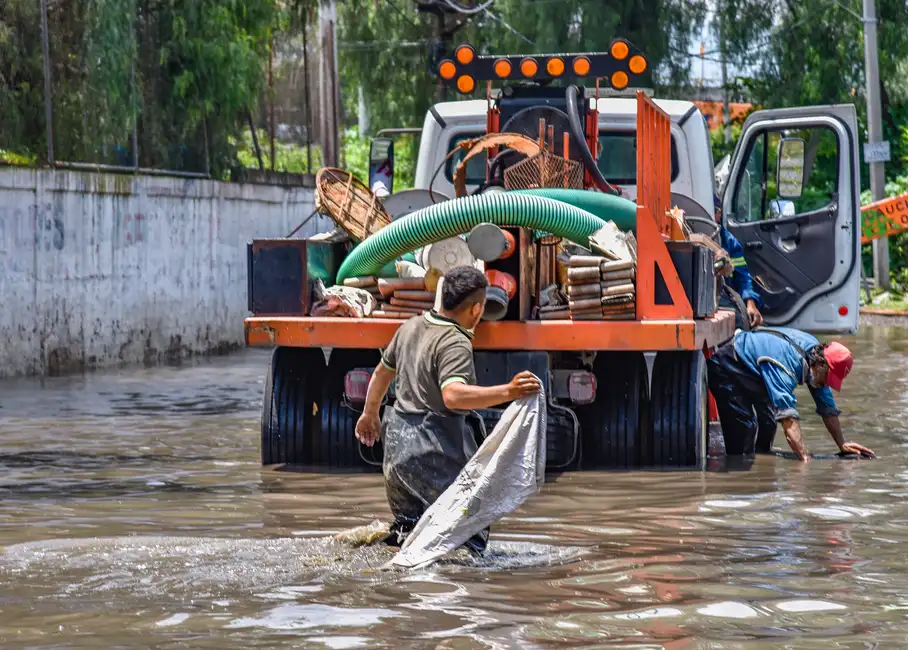
- Contaminated water cleanup — A sewage backup or unknown floodwater requires careful separation from clean areas. We restrict access, wear protective equipment, extract affected water, and clean hard surfaces with appropriate products. We also discuss which porous materials are too wet or contaminated to remain, keeping family safety central to the work sequence.