

Residential Water Extraction for White Plains Homes
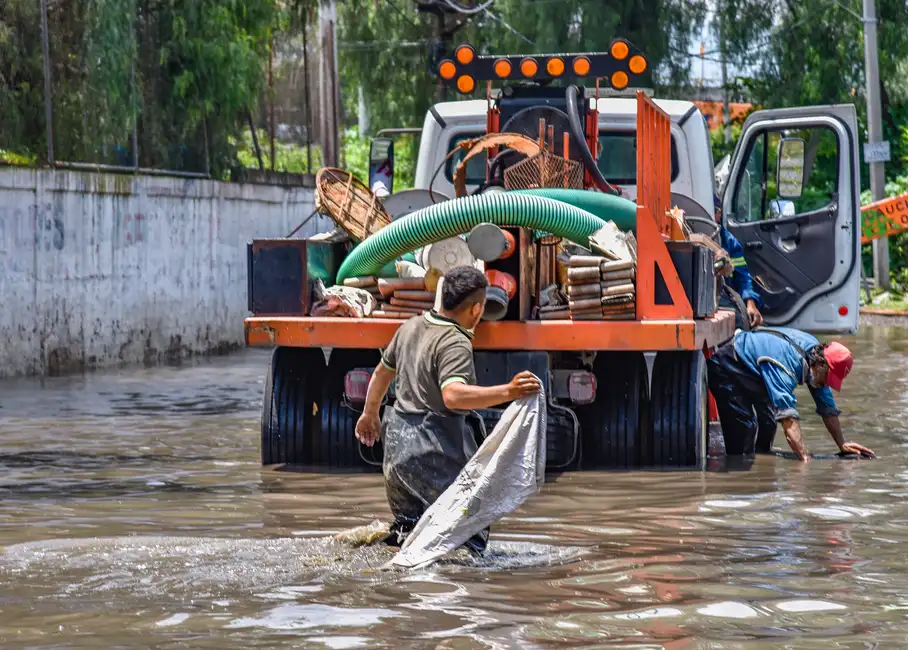
White Plains homes include older houses, multifamily apartments, and properties with finished basements or utility areas. A broken supply line, appliance hose, or stormwater entry can affect flooring, stored belongings, and rooms below the source. We remove accessible water, check adjacent surfaces, and explain what needs continued drying. For New York water damage restoration in White Plains, our residential work starts with your household's immediate concerns: safe access, protecting unaffected rooms, and keeping essential areas usable where conditions allow. We coordinate around family schedules and building rules, then track damp materials with readings rather than guessing from appearance. If the water is contaminated, we isolate the area and use appropriate protective steps.
- Finished basement water removal — We remove pooled water from finished basements in White Plains and check flooring edges, wall bases, and nearby storage areas. If the water has entered drywall or insulation, we identify those materials for closer evaluation. You receive a practical drying plan that reflects what is wet, not just what is visible.
- Burst pipe room extraction — After the water source is shut off, we extract water from affected rooms and inspect ceilings, walls, and floors around the failed line. In White Plains homes, a leak can travel to a lower level before it is noticed. We check connected spaces and document where drying equipment is needed.
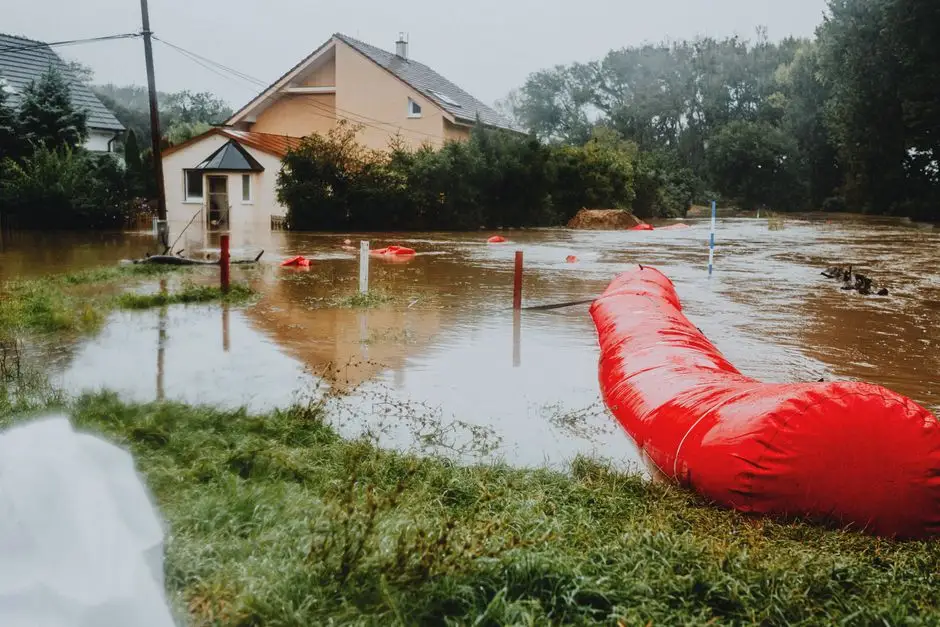
- Stormwater entry cleanup — Runoff entering a basement or lower-level room needs quick removal and a check of the water's condition. We clear standing water, identify its path, and protect dry contents from the work area. In White Plains, we also look for moisture around entry points and nearby finished surfaces.
- Crawl space water extraction — We inspect crawl space access and safe working conditions before pumping accumulated water. White Plains homeowners receive an explanation of affected materials and any follow-up readings needed. Clearing water from the space helps reveal whether framing or nearby floor assemblies remain damp.